• About
  • Masthead
  • License Content
  • Advertise
  • Submit Press Release
  • RSS/Email List
  • 2MM Podcast
  • Write for us
  • Contact Us
2 Minute Medicine
No Result
View All Result

No products in the cart.

SUBSCRIBE
  • Specialties
    • All Specialties, All Recent Reports
    • Cardiology
    • Chronic Disease
    • Dermatology
    • Emergency
    • Endocrinology
    • Gastroenterology
    • Imaging and Intervention
    • Infectious Disease
    • Nephrology
    • Neurology
    • Obstetrics
    • Oncology
    • Ophthalmology
    • Pediatrics
    • Pharma
    • Preclinical
    • Psychiatry
    • Public Health
    • Pulmonology
    • Rheumatology
    • Surgery
  • Tools
    • EvidencePulse™
    • HypeCheck™
    • NPI Registry Lookup
    • RVU Search
  • Pharma
  • AI News
  • The Scan+
  • Classics™+
    • 2MM+ Online Access
    • Paperback and Ebook
  • Rewinds
  • Partners
    • License Content
    • Submit Press Release
    • Advertise with Us
  • Account
    • Subscribe
    • Sign-in
    • My account
2 Minute Medicine
  • Specialties
    • All Specialties, All Recent Reports
    • Cardiology
    • Chronic Disease
    • Dermatology
    • Emergency
    • Endocrinology
    • Gastroenterology
    • Imaging and Intervention
    • Infectious Disease
    • Nephrology
    • Neurology
    • Obstetrics
    • Oncology
    • Ophthalmology
    • Pediatrics
    • Pharma
    • Preclinical
    • Psychiatry
    • Public Health
    • Pulmonology
    • Rheumatology
    • Surgery
  • Tools
    • EvidencePulse™
    • HypeCheck™
    • NPI Registry Lookup
    • RVU Search
  • Pharma
  • AI News
  • The Scan+
  • Classics™+
    • 2MM+ Online Access
    • Paperback and Ebook
  • Rewinds
  • Partners
    • License Content
    • Submit Press Release
    • Advertise with Us
  • Account
    • Subscribe
    • Sign-in
    • My account
SUBSCRIBE
2 Minute Medicine
Subscribe
Home All Specialties Emergency

Aggressive hydration does not improve clinical outcomes in acute pancreatitis
byNhat Hung (Benjamin) LamandKiera Liblik
November 21, 2022
in Emergency, Endocrinology, Gastroenterology
Reading Time: 2 mins read
0
Share on FacebookShare on Twitter

1. Compared to moderate fluid resuscitation, an aggressive regimen in acute pancreatitis patients did not result in improved clinical outcomes.

2. Aggressive fluid resuscitation was associated with a higher rate of fluid overload.

Evidence Rating Level: 2 (Good)

Study Rundown: Acute pancreatitis is a medical emergency, where development into moderate or severe disease occurs frequently and is associated with poor clinical outcomes. Based on previous studies demonstrating that hypoperfusion and hypovolemia are contributory factors to pancreatic necrosis, fluid resuscitation has been shown to improve outcomes and reduce the risk of progression. However, the evidence supporting aggressive resuscitation versus moderate resuscitation has been limited. The current study was a multicenter randomized controlled trial comparing two resuscitation regimens (moderate and aggressive fluid resuscitation) in patients presenting with acute pancreatitis. During the interim analysis, the differences in the incidence of moderately severe or severe pancreatitis and the length of hospitalization between the groups were not statistically significant. Nevertheless, aggressive resuscitation was associated with a higher rate of fluid overload. Accordingly, the study was halted early owing to increased harm without benefits in clinical outcomes. Despite its open-label design, this study provided evidence that aggressive resuscitation was not superior to moderate resuscitation in acute pancreatitis.

Click here to read the study in NEJM

In-Depth [randomized controlled trial]: The present study was a multicenter, open-label, parallel-group, randomized controlled, superiority trial to compare aggressive fluid resuscitation against moderate resuscitation in managing acute pancreatitis. Inclusion criteria included a presentation to the emergency department within 24 hours of pain onset and diagnosis within eight hours before enrollment. Exclusion criteria included heart failure, uncontrolled hypertension, moderately severe or severe acute pancreatitis at baseline, and life expectancy of less than one year. At interim analysis, 249 patients had been randomized 1:1 to receive aggressive or moderate goal-directed fluid resuscitation with lactated Ringer’s solution. Patients were assessed every 12 hours up until 72 hours and resuscitation was adjusted according to the patient’s volume status. Resuscitation was reduced or stopped if fluid overload developed or once the patient could tolerate oral feeding for eight hours. The primary efficacy outcome was progression to moderately severe or severe acute pancreatitis, based on the Revised Atlanta Classification. The primary safety outcome was the development of fluid overload as a complication of fluid resuscitation. Overall, 22.1% of patients receiving aggressive resuscitation and 17.3% of those receiving moderate resuscitation went on to develop moderately severe or severe pancreatitis (Adjusted Relative Risk [ADR], 1.30; 95% Confidence Interval [CI], 0.78 to 2.18; p=0.32). Conversely, significantly more patients in the aggressive-resuscitation group (20.5%) than those in the moderate-resuscitation group (6.3%) developed fluid overload (ADR, 2.85; 95% CI, 1.36 to 5.94; p=0.004). The duration of hospitalization was similar between the two regimens. Consequently, the trial was halted early due to a lack of benefits and a potential increase in harm. Although the study was limited by the open-label design, it demonstrated that aggressive fluid resuscitation was non-superior to a moderate approach in managing acute pancreatitis and carried a risk of volume overload.

RELATED REPORTS

Resistance training is associated with lower risk of type 2 diabetes

Male sex and hispanic ethnicity are associated with increased risk of early-onset colorectal cancer

TikTok’s cortisol face trend meets endocrine reality

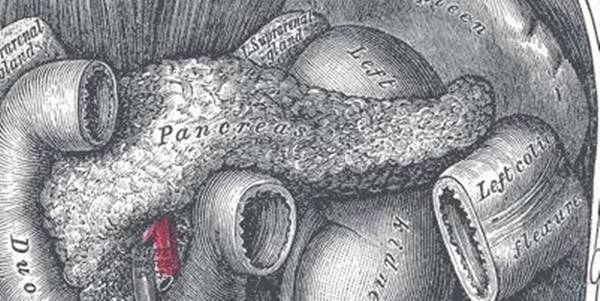
Image: PD

©2022 2 Minute Medicine, Inc. All rights reserved. No works may be reproduced without expressed written consent from 2 Minute Medicine, Inc. Inquire about licensing here. No article should be construed as medical advice and is not intended as such by the authors or by 2 Minute Medicine, Inc.

Tags: Acute pancreatitisAggressive fluid resuscitationemergencyendocrinologyFluid managementfluid resuscitationGastroenterologyhospitalizationpancreatitisRinger's lactate
Previous Post

Intraperitoneal chemotherapy improves advanced ovarian cancer survival [Classics Series]

Next Post

Simple score developed to predict increased risk of transthyretin amyloid cardiomyopathy in patients with heart failure with preserved ejection fraction

RelatedReports

Exercise improves aromatase inhibitor-induced arthralgia in breast cancer survivors
Chronic Disease

Resistance training is associated with lower risk of type 2 diabetes

July 2, 2026
Quick Take: Diagnostic Yield of One-Time Colonoscopy vs One-Time Flexible Sigmoidoscopy vs Multiple Rounds of Mailed Fecal Immunohistochemical Tests in Colorectal Cancer Screening
Chronic Disease

Male sex and hispanic ethnicity are associated with increased risk of early-onset colorectal cancer

June 29, 2026
Sleep duration inversely related to childhood type 2 diabetes risk makers
Chronic Disease

TikTok’s cortisol face trend meets endocrine reality

June 26, 2026
Quick Take: Influence of HIV Infection on the Natural History of Hepatocellular Carcinoma: Results From a Global Multicohort Study
All Specialties

High intake of sugar-sweetened beverages is associated with increased risk of hepatocellular carcinoma

June 19, 2026
Next Post
Patisiran therapy reduces ventricular myocardial strain in hereditary transthyretin amyloidosis

Simple score developed to predict increased risk of transthyretin amyloid cardiomyopathy in patients with heart failure with preserved ejection fraction

Positive physician experience in the Pediatric AIDS Corps

Risk of cardiovascular pathology determined using advanced cardiovascular imaging limited by heterogeneity amongst patients with human immunodeficiency virus

Rilonacept may lower pericarditis recurrence in patients with relapsing pericarditis

Rare genetic variants may be enriched in patients with high-risk spontaneous coronary artery dissection

2 Minute Medicine® is an award winning, physician-run, expert medical media company. Our content is curated, written and edited by practicing health professionals who have clinical and scientific expertise in their field of reporting. Our editorial management team is comprised of highly-trained MD physicians. Join numerous brands, companies, and hospitals who trust our licensed content.

Recent Reports

  • Tumour microenvironment factors may influence cancer progression and response to tamoxifen (Nolvadex) in patients with estrogen receptor-positive and human epidermal growth factor receptor 2 breast cancer
  • A health coaching intervention may improve blood pressure control in postpartum women
  • Surgery is associated with an increased quality of life in women with endometriosis
License Content
Terms of Use | Disclaimer
Cookie Policy
Privacy Statement (EU)
Disclaimer
  • Specialties
    • All Specialties, All Recent Reports
    • Cardiology
    • Chronic Disease
    • Dermatology
    • Emergency
    • Endocrinology
    • Gastroenterology
    • Imaging and Intervention
    • Infectious Disease
    • Nephrology
    • Neurology
    • Obstetrics
    • Oncology
    • Ophthalmology
    • Pediatrics
    • Pharma
    • Preclinical
    • Psychiatry
    • Public Health
    • Pulmonology
    • Rheumatology
    • Surgery
  • Tools
    • EvidencePulse™
    • HypeCheck™
    • NPI Registry Lookup
    • RVU Search
  • Pharma
  • AI News
  • The Scan
  • Classics™
    • 2MM+ Online Access
    • Paperback and Ebook
  • Rewinds
  • Partners
    • License Content
    • Submit Press Release
    • Advertise with Us
  • Account
    • Subscribe
    • Sign-in
    • My account
No Result
View All Result

© 2026 2 Minute Medicine, Inc. - Physician-written medical news.