• About
  • Masthead
  • License Content
  • Advertise
  • Submit Press Release
  • RSS/Email List
  • 2MM Podcast
  • Write for us
  • Contact Us
2 Minute Medicine
No Result
View All Result

No products in the cart.

SUBSCRIBE
  • Specialties
    • All Specialties, All Recent Reports
    • Cardiology
    • Chronic Disease
    • Dermatology
    • Emergency
    • Endocrinology
    • Gastroenterology
    • Imaging and Intervention
    • Infectious Disease
    • Nephrology
    • Neurology
    • Obstetrics
    • Oncology
    • Ophthalmology
    • Pediatrics
    • Pharma
    • Preclinical
    • Psychiatry
    • Public Health
    • Pulmonology
    • Rheumatology
    • Surgery
  • Tools
    • EvidencePulse™
    • RVU Search
    • NPI Registry Lookup
  • Pharma
  • AI News
  • The Scan+
  • Classics™+
    • 2MM+ Online Access
    • Paperback and Ebook
  • Rewinds
  • Partners
    • License Content
    • Submit Press Release
    • Advertise with Us
  • Account
    • Subscribe
    • Sign-in
    • My account
2 Minute Medicine
  • Specialties
    • All Specialties, All Recent Reports
    • Cardiology
    • Chronic Disease
    • Dermatology
    • Emergency
    • Endocrinology
    • Gastroenterology
    • Imaging and Intervention
    • Infectious Disease
    • Nephrology
    • Neurology
    • Obstetrics
    • Oncology
    • Ophthalmology
    • Pediatrics
    • Pharma
    • Preclinical
    • Psychiatry
    • Public Health
    • Pulmonology
    • Rheumatology
    • Surgery
  • Tools
    • EvidencePulse™
    • RVU Search
    • NPI Registry Lookup
  • Pharma
  • AI News
  • The Scan+
  • Classics™+
    • 2MM+ Online Access
    • Paperback and Ebook
  • Rewinds
  • Partners
    • License Content
    • Submit Press Release
    • Advertise with Us
  • Account
    • Subscribe
    • Sign-in
    • My account
SUBSCRIBE
2 Minute Medicine
Subscribe
Home All Specialties Emergency

Analysis of the role of positive end expiratory pressure for the cannulation of the subclavian vein
byDavy LauandAlex Chan
May 4, 2023
in Emergency, Pulmonology
Reading Time: 2 mins read
0
Share on FacebookShare on Twitter

1. Stepwise changes in positive end expiratory pressure (PEEP) were not associated with clinically significant changes in subclavian vein (SCV) and parietal pleura distance (DVP), or SCV cross-sectional area (CSA), factors that impact the optimization of SCV cannulation.

Evidence Rating Level: 2 (Good)

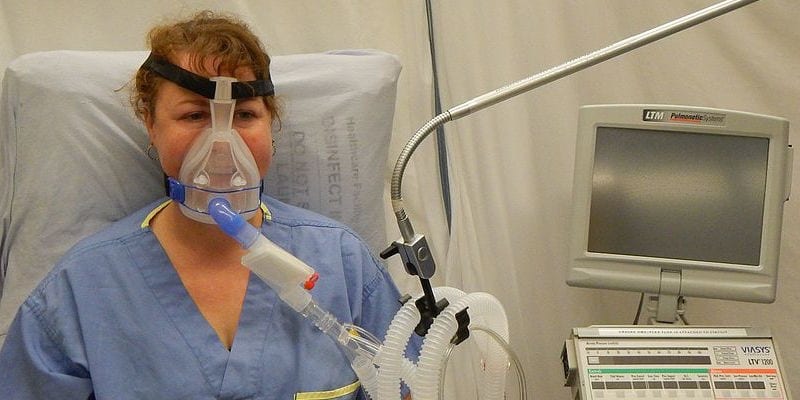
When considering cannulation of the subclavian vein (SCV), the utility of positive end expiratory pressure (PEEP) is unclear. For instance, PEEP could increase the risk of pneumothorax from this procedure, secondary to decreasing the parietal pleura and SCV distance (DVP). However, PEEP could also increase the SCV cross-sectional area (CSA), improving the success rate. Therefore, this single-centre prospective study evaluated the effects of varying PEEP levels on DVP and CSA. This study enrolled 27 adults who had underwent invasive mechanical ventilation, with a clinical indication for stepwise trials of PEEP. The DVP and CSA were measured bilaterally using ultrasound examination of the SCV at 0, 5, 10, and 15 cm H2O of PEEP. A clinically relevant change was considered to be >2 mm for DVP and >2mm2 for CSA. The results showed a statistically and clinically significant increase in the CSA on the right side at a PEEP of 10 compared to 0 (difference 2.5). There was also a statistically significant increase in DVP at PEEP of 15 compared to 0, with the in-plane ultrasound view on the left side (difference 0.7, p = 0.048). Otherwise, there were no statistically or clinically significant differences in DVP or CSA at varying PEEP levels in this study. Overall, this demonstrated that stepwise changes in PEEP do not generally affect factors impacting the optimization of SCV cannulation, such as DVP and CSA.

Click to read the study in PLOS

Image: PD

©2023 2 Minute Medicine, Inc. All rights reserved. No works may be reproduced without expressed written consent from 2 Minute Medicine, Inc. Inquire about licensing here. No article should be construed as medical advice and is not intended as such by the authors or by 2 Minute Medicine, Inc.

RELATED REPORTS

Fluoxetine may improve hemodynamic status and organ dysfunction in patients with severe sepsis

Low bicarbonate replacement fluid may lead to a more stable acid-base profile compared with high bicarbonate replacement fluid during continuous veno-venous hemofiltration

Body mass index and in-hospital mortality have a U-shaped relationship among critically ill cardiac surgery patients

Tags: critical carePEEPrespiratory careventilation
Previous Post

#VisualAbstract: Intravascular imaging-guided percutaneous coronary intervention is superior to angiography guidance in complex coronary artery lesions

Next Post

Sound and light interventions improve sleep in critically ill patients

RelatedReports

Obstetric scoring systems overestimate cases of severe sepsis
Infectious Disease

Fluoxetine may improve hemodynamic status and organ dysfunction in patients with severe sepsis

January 29, 2026
Emergency

Low bicarbonate replacement fluid may lead to a more stable acid-base profile compared with high bicarbonate replacement fluid during continuous veno-venous hemofiltration

January 13, 2026
Survival greater in cervical cancer patients undergoing abdominal hysterectomy compared to minimally invasive techniques: the LACC trial
Cardiology

Body mass index and in-hospital mortality have a U-shaped relationship among critically ill cardiac surgery patients

January 13, 2026
Obstetric scoring systems overestimate cases of severe sepsis
Emergency

Terlipressin is effective in maintaining mean arterial pressure in refractory septic shock but does not improve mortality

January 13, 2026
Next Post

Sound and light interventions improve sleep in critically ill patients

Patient Basics: Heart Valve Replacement

Modeled outcome-based spoke-and-hub paradigm of TAVI care associated with improved national outcomes compared to a simulated volume threshold

Development of a risk index for colorectal cancer screening

Delivery via Cesarean section may be associated with increase odds of developing early-onset colorectal cancer in female offspring

2 Minute Medicine® is an award winning, physician-run, expert medical media company. Our content is curated, written and edited by practicing health professionals who have clinical and scientific expertise in their field of reporting. Our editorial management team is comprised of highly-trained MD physicians. Join numerous brands, companies, and hospitals who trust our licensed content.

Recent Reports

  • Adults with attention-deficit/hyperactivity disorder are at higher risk of poor long-term adherence to antihypertensive therapy
  • 150 minutes of moderate-to-vigorous physical activity per week may reduce cardiovascular risk in overweight or obese adults
  • 2 Minute Medicine: Pharma Roundup – Merck and Mayo Clinic’s AI precision medicine lab, Novartis’ remibrutinib hits Phase III hive endpoint, FDA grants priority review for iberdomide in myeloma, oral infigratinib boosts growth velocity in achondroplasia, and shingles vaccine/sildenafil linked to lower Alzheimer’s risk [February 2026]
License Content
Terms of Use | Disclaimer
Cookie Policy
Privacy Statement (EU)
Disclaimer

© 2025 2 Minute Medicine, Inc. - Physician-written medical news.

  • Specialties
    • All Specialties, All Recent Reports
    • Cardiology
    • Chronic Disease
    • Dermatology
    • Emergency
    • Endocrinology
    • Gastroenterology
    • Imaging and Intervention
    • Infectious Disease
    • Nephrology
    • Neurology
    • Obstetrics
    • Oncology
    • Ophthalmology
    • Pediatrics
    • Pharma
    • Preclinical
    • Psychiatry
    • Public Health
    • Pulmonology
    • Rheumatology
    • Surgery
  • Tools
    • EvidencePulse™
    • RVU Search
    • NPI Registry Lookup
  • Pharma
  • AI News
  • The Scan
  • Classics™
    • 2MM+ Online Access
    • Paperback and Ebook
  • Rewinds
  • Partners
    • License Content
    • Submit Press Release
    • Advertise with Us
  • Account
    • Subscribe
    • Sign-in
    • My account
No Result
View All Result

© 2025 2 Minute Medicine, Inc. - Physician-written medical news.