• About
  • Masthead
  • License Content
  • Advertise
  • Submit Press Release
  • RSS/Email List
  • 2MM Podcast
  • Write for us
  • Contact Us
2 Minute Medicine
No Result
View All Result

No products in the cart.

SUBSCRIBE
  • Specialties
    • All Specialties, All Recent Reports
    • Cardiology
    • Chronic Disease
    • Dermatology
    • Emergency
    • Endocrinology
    • Gastroenterology
    • Imaging and Intervention
    • Infectious Disease
    • Nephrology
    • Neurology
    • Obstetrics
    • Oncology
    • Ophthalmology
    • Pediatrics
    • Pharma
    • Preclinical
    • Psychiatry
    • Public Health
    • Pulmonology
    • Rheumatology
    • Surgery
  • AI EvidencePulse™
  • Pharma
  • AI News
  • The Scan+
  • Classics™+
    • 2MM+ Online Access
    • Paperback and Ebook
  • Rewinds
  • Podcasts
  • Partners
    • License Content
    • Submit Press Release
    • Advertise with Us
  • Account
    • Subscribe
    • Sign-in
    • My account
2 Minute Medicine
  • Specialties
    • All Specialties, All Recent Reports
    • Cardiology
    • Chronic Disease
    • Dermatology
    • Emergency
    • Endocrinology
    • Gastroenterology
    • Imaging and Intervention
    • Infectious Disease
    • Nephrology
    • Neurology
    • Obstetrics
    • Oncology
    • Ophthalmology
    • Pediatrics
    • Pharma
    • Preclinical
    • Psychiatry
    • Public Health
    • Pulmonology
    • Rheumatology
    • Surgery
  • AI EvidencePulse™
  • Pharma
  • AI News
  • The Scan+
  • Classics™+
    • 2MM+ Online Access
    • Paperback and Ebook
  • Rewinds
  • Podcasts
  • Partners
    • License Content
    • Submit Press Release
    • Advertise with Us
  • Account
    • Subscribe
    • Sign-in
    • My account
SUBSCRIBE
2 Minute Medicine
Subscribe
Home All Specialties Chronic Disease

Arsa-cel preserves motor and cognitive function in metachromatic leukodystrophy
byMichaela DowlingandKiera Liblik
June 3, 2025
in Chronic Disease, Neurology
Reading Time: 3 mins read
0
Share on FacebookShare on Twitter

1. In this prospective cohort study, treatment with atidarsagene autotemce (arsa-cel) significantly reduced the risk of severe motor impairment and death in patients with early-onset metachromatic leukodystrophy (MLD) subtypes.

2. Arsa-cel demonstrated a favorable safety profile, with no treatment-related serious adverse events or deaths reported.

Evidence Rating Level: 2 (Good)

Study Rundown: MLD is an autosomal recessive disorder caused by a deficiency of the enzyme arylsulfatase A (ARSA). This deficiency leads to lysosomal dysfunction and the accumulation of sulfatides in both the central and peripheral nervous systems, resulting in progressive neurodegeneration marked by cognitive and motor decline. Early-onset subtypes include late-infantile MLD, before 30 months of age, and early-juvenile MLD, between 30 months and seven years of age. While allogeneic hematopoietic stem cell transplantation has shown benefit in late-onset MLD, the only approved treatment for early-onset MLD is atidarsagene autotemcel (arsa-cel or OTL-200), a CD34+ hematopoietic stem and progenitor cell-based therapy that provides constitutive ARSA expression. This study evaluated the safety and efficacy of arsa-cel therapy in patients with early-onset MLD. Treatment with arsa-cel significantly reduced the risk of severe motor impairment or death in patients with presymptomatic late-infantile, presymptomatic early-juvenile, and early-symptomatic early-juvenile MLD. In addition, arsa-cel demonstrated protection of neurocognitive function, with most treated patients retaining normal cognition and speech regardless of MLD subtype. Importantly, no treatment-related serious adverse events or deaths were reported. Moreover, although anti-ARSA antibodies were detected in a small subset of patients, they did not impact clinical outcomes. While the study did not explicitly discuss its limitations, it was constrained by a small sample size; notably, there were only eight patients in the arsa–cel–treated presymptomatic early-juvenile subgroup. Nonetheless, arsa-cel appears to be a promising therapy for early-onset MLD, with the potential to delay both motor and cognitive decline.

Click here to read the study in NEJM

Relevant Reading: Newborn Screening and Presymptomatic Treatment of Metachromatic Leukodystrophy

RELATED REPORTS

Diphenhydramine, Sodium Bicarbonate, or Combination for Acute Peripheral Vertigo: A Randomized Clinical Trial

Risk of Parkinson’s disease after human papillomavirus infection: a nationwide cohort study

Hearing Loss, Brain Structure, Cognition, and Dementia Risk in the Framingham Heart Study

In-Depth [prospective cohort]: In this prospective cohort study, the efficacy and safety of arsa-cel for early-onset MLD were evaluated. Data from two prospective clinical trials involving arsa-cel therapy (arsa-cel cohort) were compared with data from untreated patients (natural history cohort). Patients were eligible if they had a confirmed biochemical and genetic diagnosis of MLD classified as presymptomatic late-infantile, presymptomatic early-juvenile, or early-symptomatic early-juvenile. A total of 49 patients were included in the natural history cohort, and 39 patients were enrolled in the arsa-cel cohort, although two were excluded from analysis. The primary outcome was survival free from severe motor impairment, defined as loss of locomotion and sitting without support (Gross Motor Function Classification in MLD level ≥5) or death. Arsa-cel significantly reduced the risk of severe motor impairment or death in patients with presymptomatic late-infantile MLD (p<0.001), presymptomatic early-juvenile MLD (p=0.04), and early-symptomatic early-juvenile MLD (p<0.001). All arsa–cel–treated patients with late-infantile MLD survived without motor impairment to age 6, whereas 100% of patients in the natural history cohort experienced severe motor impairment by that age. Similarly, 87.5% (95% CI, 38.7 to 98.1) of presymptomatic early-juvenile MLD patients and 80.0% (95% CI, 40.9 to 94.6) of early-symptomatic early-juvenile MLD patients treated with arsa-cel survived to age 10 without severe motor impairment, compared to only 11.2% (95% CI, 0.9 to 36.4) of patients in the natural history cohort. At the last neurocognitive assessment, 27 of 34 surviving arsa–cel–treated patients had retained normal cognition, whereas untreated patients exhibited severe cognitive decline. Although 15% of treated patients developed anti-ARSA antibodies, these were not associated with adverse clinical outcomes. No treatment-related serious adverse events or deaths were reported. In summary, arsa-cel appears to be an effective and safe therapy for early-onset MLD, with the potential to delay both motor and cognitive decline.

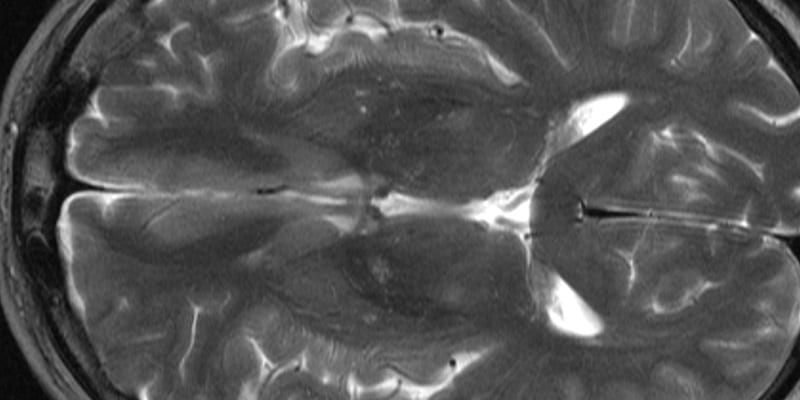
Image: PD

©2025 2 Minute Medicine, Inc. All rights reserved. No works may be reproduced without expressed written consent from 2 Minute Medicine, Inc. Inquire about licensing here. No article should be construed as medical advice and is not intended as such by the authors or by 2 Minute Medicine, Inc.


Tags: Arsa-celatidarsagene autotemcechronic diseasemetachromatic leukodystrophyMLDneurology
Previous Post

2 Minute Medicine Rewind June 2, 2025

Next Post

Oveporexton improves symptoms in patients with narcolepsy type 1

RelatedReports

Brain lesions on MRI linked with subsequent increased stroke risk
Chronic Disease

Diphenhydramine, Sodium Bicarbonate, or Combination for Acute Peripheral Vertigo: A Randomized Clinical Trial

November 14, 2025
2 Minute Medicine Rewind August 19, 2019
Chronic Disease

Risk of Parkinson’s disease after human papillomavirus infection: a nationwide cohort study

November 13, 2025
Chronic Disease

Hearing Loss, Brain Structure, Cognition, and Dementia Risk in the Framingham Heart Study

November 12, 2025
Abusive head trauma results in fewer productive life-years
Emergency

Diphenhydramine, Sodium Bicarbonate, or Combination for Acute Peripheral Vertigo

November 10, 2025
Next Post
Sleep duration, sleepiness, chronotype have variable associations with teen self-regulation

Oveporexton improves symptoms in patients with narcolepsy type 1

Sleep duration inversely related to childhood type 2 diabetes risk makers

Midlife weight loss is associated with decreased risk of mortality and chronic disease

Government-funded initiatives provide important supports to low-income HIV patients

Second-line TAF-based ART improves viral suppression in pediatric HIV

2 Minute Medicine® is an award winning, physician-run, expert medical media company. Our content is curated, written and edited by practicing health professionals who have clinical and scientific expertise in their field of reporting. Our editorial management team is comprised of highly-trained MD physicians. Join numerous brands, companies, and hospitals who trust our licensed content.

Recent Reports

  • Self-Administered Hypnosis vs Sham Hypnosis for Hot Flashes: A Randomized Clinical Trial
  • Association between baseline BMI and in-hospital mortality in critically ill cardiac surgery patients: a retrospective cohort study
  • Wide awake local anesthesia no tourniquet (WALANT) versus ultrasound-guided axillary block in carpal tunnel release: a non-inferiority randomized controlled trial
License Content
Terms of Use | Disclaimer
Cookie Policy
Privacy Statement (EU)
Disclaimer

© 2025 2 Minute Medicine, Inc. - Physician-written medical news.

  • Specialties
    • All Specialties, All Recent Reports
    • Cardiology
    • Chronic Disease
    • Dermatology
    • Emergency
    • Endocrinology
    • Gastroenterology
    • Imaging and Intervention
    • Infectious Disease
    • Nephrology
    • Neurology
    • Obstetrics
    • Oncology
    • Ophthalmology
    • Pediatrics
    • Pharma
    • Preclinical
    • Psychiatry
    • Public Health
    • Pulmonology
    • Rheumatology
    • Surgery
  • AI EvidencePulse™
  • Pharma
  • AI News
  • The Scan
  • Classics™
    • 2MM+ Online Access
    • Paperback and Ebook
  • Rewinds
  • Podcasts
  • Partners
    • License Content
    • Submit Press Release
    • Advertise with Us
  • Account
    • Subscribe
    • Sign-in
    • My account
No Result
View All Result

© 2025 2 Minute Medicine, Inc. - Physician-written medical news.