• About
  • Masthead
  • License Content
  • Advertise
  • Submit Press Release
  • RSS/Email List
  • 2MM Podcast
  • Write for us
  • Contact Us
2 Minute Medicine
No Result
View All Result

No products in the cart.

SUBSCRIBE
  • Specialties
    • All Specialties, All Recent Reports
    • Cardiology
    • Chronic Disease
    • Dermatology
    • Emergency
    • Endocrinology
    • Gastroenterology
    • Imaging and Intervention
    • Infectious Disease
    • Nephrology
    • Neurology
    • Obstetrics
    • Oncology
    • Ophthalmology
    • Pediatrics
    • Pharma
    • Preclinical
    • Psychiatry
    • Public Health
    • Pulmonology
    • Rheumatology
    • Surgery
  • Tools
    • EvidencePulse™
    • RVU Search
    • NPI Registry Lookup
  • Pharma
  • AI News
  • The Scan+
  • Classics™+
    • 2MM+ Online Access
    • Paperback and Ebook
  • Rewinds
  • Partners
    • License Content
    • Submit Press Release
    • Advertise with Us
  • Account
    • Subscribe
    • Sign-in
    • My account
2 Minute Medicine
  • Specialties
    • All Specialties, All Recent Reports
    • Cardiology
    • Chronic Disease
    • Dermatology
    • Emergency
    • Endocrinology
    • Gastroenterology
    • Imaging and Intervention
    • Infectious Disease
    • Nephrology
    • Neurology
    • Obstetrics
    • Oncology
    • Ophthalmology
    • Pediatrics
    • Pharma
    • Preclinical
    • Psychiatry
    • Public Health
    • Pulmonology
    • Rheumatology
    • Surgery
  • Tools
    • EvidencePulse™
    • RVU Search
    • NPI Registry Lookup
  • Pharma
  • AI News
  • The Scan+
  • Classics™+
    • 2MM+ Online Access
    • Paperback and Ebook
  • Rewinds
  • Partners
    • License Content
    • Submit Press Release
    • Advertise with Us
  • Account
    • Subscribe
    • Sign-in
    • My account
SUBSCRIBE
2 Minute Medicine
Subscribe
Home All Specialties Hematology

Axatilimab reduces symptoms in patients with graft versus host disease
byShagun JainandKiera Liblik
October 8, 2024
in Hematology, Rheumatology
Reading Time: 3 mins read
0
Share on FacebookShare on Twitter

1. In this randomized controlled trial, axatilimab effectively managed symptoms in patients with recurrent or refractory graft versus host disease (GVHD).

2. Axatilimab was generally well-tolerated with manageable side effects.

Evidence Rating Level: 2 (Good)

Study Rundown: Chronic GVHD is a severe complication of allogenic hematopoietic stem cell transplantation that affects approximately half of transplant recipients. Chronic GVHD often manifests in multiple organs, with features of inflammation and fibrosis in the lungs, esophagus, joints, fascia, and skin that can progress to end-organ damage. Current standard treatments include corticosteroids and immunosuppressants. However, many patients may become resistant or refractory to such therapies, necessitating new therapy options. Colony stimulating factor 1 (CSF1) plays a key role in regulating macrophage and monocyte-mediated inflammation and fibrosis in chronic GVHD. As such, blocking CSF1 receptors with a monoclonal antibody, like axatilimab, offers an opportunity to reduce manifestations of chronic GVHD. The present trial investigated three doses of axatilimab as potential treatment options for reducing symptoms of GVHD in patients experiencing refractory or recurrent disease. Axatilimab showed an overall rapid and durable response, as measured by the NIH Consensus criteria. Patients in all three dosage groups saw meaningful reductions in chronic GVHD symptoms, as measured by the Lee Symptom Scale score. The treatment was generally well tolerated and consistent with that of immunosuppressive therapies. This study was limited by the lack of a control group, thus introducing the possibility of bias. Overall, axatilimab demonstrated potential as a treatment option for individuals with chronic recurrent or refractory GVHD.

Click here to read the study in NEJM

In-Depth [randomized controlled trial]: This phase two randomized trial assessed the efficacy and safety of different doses of axatilimab therapy in patients with chronic recurrent or refractory GVHD. Patients who were two years of age or older with active signs and symptoms of GVHD were eligible for this trial if they had previously received at least two lines of systemic therapy. A total of 241 patients were randomly assigned, in a 1:1:1 ratio, to receive axatilimab intravenously at three different doses every two weeks: 0.3mg/kg body weight (0.3mg dose group, n=80), 1mg/kg body weight (1mg dose group, n=81), or 3mg/kg body weight (3mg dose group, n=80). The primary outcome was the overall response, defined as a complete or partial response within the first six cycles after randomization. Organ-specific outcomes were evaluated and compared to baseline severity of chronic GVHD. The primary endpoint was met in all three dosage groups, with an overall response seen in 74% of patients in the 0.3mg dose group (95% Confidence Interval [CI], 63-83), 67% of patients in the 1mg dose group (95% CI, 55-77), and 50% of patients in the 3mg dose group (95% CI, 39-61). A reduction of more than five points on the Lee Symptom Scale was reported in 60% of the 0.3mg dose group patients, 69% of the 1mg dose group patients, and 41% of the 3mg dose group patients. Adverse effects associated with CSF1 receptor inhibition were dose-dependent, often transient, and asymptomatic. The incidence of infection associated with immune suppression did not differ from that of other chronic immunosuppressive therapies. Results from this study indicated that axatilimab was effective for many patients facing chronic recurrent or refractory chronic GVHD who did not have successful treatment with standard therapies.

RELATED REPORTS

2 Minute Medicine Rewind

Infrapatellar fat pad glucocorticoid injections may not reduce pain or effusion volume in patients with knee osteoarthritis

Pre-maintenance positron emission tomography/computed tomography and bone marrow multiparameter flow cytometry are important for prognostication in multiple myeloma treated with daratumumab

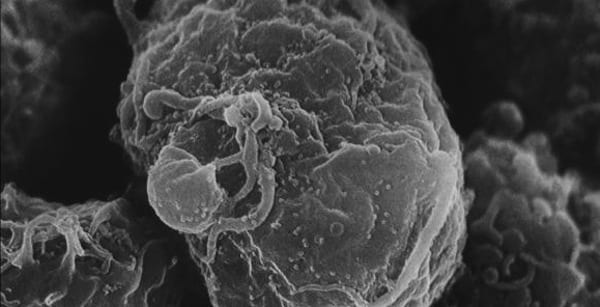
Image: PD

©2024 2 Minute Medicine, Inc. All rights reserved. No works may be reproduced without expressed written consent from 2 Minute Medicine, Inc. Inquire about licensing here. No article should be construed as medical advice and is not intended as such by the authors or by 2 Minute Medicine, Inc.

Tags: Axatilimabgraft-versus-host diseasehematologyimmunologyinternal medicinerheumatology
Previous Post

Communities That HEAL intervention does not reduce opioid-related mortality

Next Post

Liver transplantation plus chemotherapy improves survival in patients with unresectable colorectal liver metastases

RelatedReports

Remote patient monitoring did not reduce heart failure readmissions: The BEAT-HF trial
Weekly Rewinds

2 Minute Medicine Rewind

January 13, 2026
Placebo formulation impacts effectiveness of pain control in osteoarthritis
Health

Infrapatellar fat pad glucocorticoid injections may not reduce pain or effusion volume in patients with knee osteoarthritis

January 12, 2026
Shorter overall survival among patients with monoclonal gammopathy of undetermined significance
Chronic Disease

Pre-maintenance positron emission tomography/computed tomography and bone marrow multiparameter flow cytometry are important for prognostication in multiple myeloma treated with daratumumab

January 13, 2026
Parents of children with autism report greater difficulty accessing health care
Chronic Disease

Tofacitinib may improve patient-reported outcomes in juvenile idiopathic arthritis

January 13, 2026
Next Post
Resection of colorectal liver metastases may improve cost and longevity

Liver transplantation plus chemotherapy improves survival in patients with unresectable colorectal liver metastases

Double dose extracorporeal shockwave may be more effective for plantar flexor spasticity of ankle in stroke patients

#VisualAbstract: Gene Therapy with Fidanacogene Elaparvovec in Adults with Hemophilia B is Superior to Prophylaxis

#VisualAbstract: Gene Therapy with Fidanacogene Elaparvovec in Adults with Hemophilia B is Superior to Prophylaxis

2 Minute Medicine® is an award winning, physician-run, expert medical media company. Our content is curated, written and edited by practicing health professionals who have clinical and scientific expertise in their field of reporting. Our editorial management team is comprised of highly-trained MD physicians. Join numerous brands, companies, and hospitals who trust our licensed content.

Recent Reports

  • Ethosuximide may not be effective for the treatment of abdominal pain in irritable bowel syndrome
  • Edaravone dexborneol improves functional independence in patients with acute ischaemic stroke following endovascular thrombectomy
  • Yartemlea (narsoplimab-wuug) improves platelets hemolysis organ function hematopoietic stem cell transplant–associated thrombotic microangiopathy transplant patients
License Content
Terms of Use | Disclaimer
Cookie Policy
Privacy Statement (EU)
Disclaimer

© 2025 2 Minute Medicine, Inc. - Physician-written medical news.

  • Specialties
    • All Specialties, All Recent Reports
    • Cardiology
    • Chronic Disease
    • Dermatology
    • Emergency
    • Endocrinology
    • Gastroenterology
    • Imaging and Intervention
    • Infectious Disease
    • Nephrology
    • Neurology
    • Obstetrics
    • Oncology
    • Ophthalmology
    • Pediatrics
    • Pharma
    • Preclinical
    • Psychiatry
    • Public Health
    • Pulmonology
    • Rheumatology
    • Surgery
  • Tools
    • EvidencePulse™
    • RVU Search
    • NPI Registry Lookup
  • Pharma
  • AI News
  • The Scan
  • Classics™
    • 2MM+ Online Access
    • Paperback and Ebook
  • Rewinds
  • Partners
    • License Content
    • Submit Press Release
    • Advertise with Us
  • Account
    • Subscribe
    • Sign-in
    • My account
No Result
View All Result

© 2025 2 Minute Medicine, Inc. - Physician-written medical news.