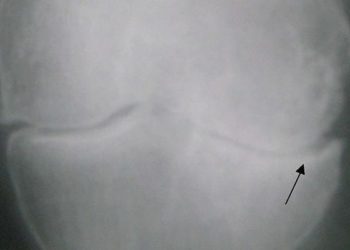
Guselkumab (Tremfya) strengthens its case for protecting joints in psoriatic arthritis
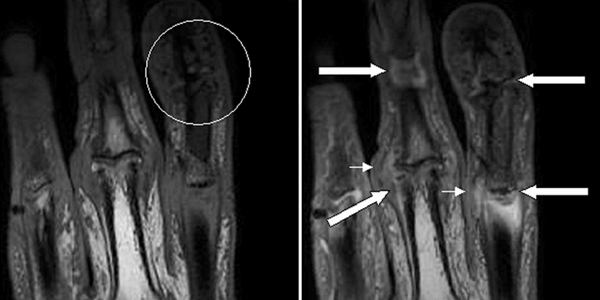
1. The FDA has expanded the label for guselkumab (Tremfya) to include evidence that it can inhibit progression of structural joint damage in adults with active psoriatic arthritis.
2. Phase 3b APEX data showed stronger clinical responses and less radiographic progression with guselkumab compared with placebo.
Johnson & Johnson has secured an important FDA label expansion for guselkumab (Tremfya) in adults with active psoriatic arthritis. The update adds evidence that the drug can inhibit progression of structural joint damage, which is a meaningful distinction in a disease that can cause lasting disability. Psoriatic arthritis is often discussed in terms of pain, swelling, stiffness, and skin disease, but structural damage is what can change a patient’s function over the long term. For physicians, this makes radiographic outcomes especially relevant when choosing among biologic therapies. The label expansion was supported by the phase 3b APEX trial, which enrolled biologic-naive adults with active and erosive psoriatic arthritis. At week 24, American College of Rheumatology 20% response rates were 66.6% with guselkumab every four weeks and 68.3% with guselkumab every eight weeks, compared with 47.0% with placebo. Radiographic progression was also lower with guselkumab, with least-squares mean changes in Psoriatic Arthritis modified van der Heijde-Sharp score of 0.55 and 0.54 in the treatment groups versus 1.35 with placebo. That difference matters because even modest structural progression can accumulate over time in patients with inflammatory arthritis. The safety data were also reassuring, with no new safety signals reported through week 24. Clinically, the results give rheumatologists another reason to consider guselkumab for patients in whom joint protection is a major priority. Commercially, the update helps Johnson & Johnson differentiate an interleukin 23 inhibitor in a crowded immunology market. It also reflects a larger shift in psoriatic arthritis treatment, where the goal is no longer just improving symptoms over the next few months. Increasingly, physicians are thinking about whether a therapy can preserve function years down the road. The update is outlined in Johnson & Johnson’s FDA announcement, with the clinical data published in Annals of the Rheumatic Diseases. For patients, the practical significance is straightforward: preventing joint damage today may help preserve mobility, independence, and quality of life later.
Image: PD
©2026 2 Minute Medicine, Inc. All rights reserved. No works may be reproduced without expressed written consent from 2 Minute Medicine, Inc. Inquire about licensing here. No article should be construed as medical advice and is not intended as such by the authors or by 2 Minute Medicine, Inc.

![2 Minute Medicine: Pharma Roundup: Price Hikes, Breakthrough Approvals, Legal Showdowns, Biotech Expansion, and Europe’s Pricing Debate [May 12nd, 2025]](https://www.2minutemedicine.com/wp-content/uploads/2025/05/ChatGPT-Image-May-12-2025-at-10_22_23-AM-350x250.png)