• About
  • Masthead
  • License Content
  • Advertise
  • Submit Press Release
  • RSS/Email List
  • 2MM Podcast
  • Write for us
  • Contact Us
2 Minute Medicine
No Result
View All Result

No products in the cart.

SUBSCRIBE
  • About
  • Specialties
    • All Specialties, All Recent Reports
    • Cardiology
    • Chronic Disease
    • Dermatology
    • Emergency
    • Endocrinology
    • Gastroenterology
    • Imaging and Intervention
    • Infectious Disease
    • Nephrology
    • Neurology
    • Obstetrics
    • Oncology
    • Ophthalmology
    • Pediatrics
    • Pharma
    • Preclinical
    • Psychiatry
    • Public Health
    • Pulmonology
    • Rheumatology
    • Surgery
  • Tools+
    • EvidencePulse™
    • HypeCheck™
    • NPI Registry Lookup
    • RVU Search
  • Pharma
  • AI Roundup
  • The Scan+
  • Classics™+
    • 2MM+ Online Access
    • Paperback and Ebook
  • Rewinds
  • Partners
    • License Content
    • Submit Press Release
    • Advertise with Us
  • Account
    • Subscribe
    • My account
    • Cart
    • Sign-in
2 Minute Medicine
  • About
  • Specialties
    • All Specialties, All Recent Reports
    • Cardiology
    • Chronic Disease
    • Dermatology
    • Emergency
    • Endocrinology
    • Gastroenterology
    • Imaging and Intervention
    • Infectious Disease
    • Nephrology
    • Neurology
    • Obstetrics
    • Oncology
    • Ophthalmology
    • Pediatrics
    • Pharma
    • Preclinical
    • Psychiatry
    • Public Health
    • Pulmonology
    • Rheumatology
    • Surgery
  • Tools+
    • EvidencePulse™
    • HypeCheck™
    • NPI Registry Lookup
    • RVU Search
  • Pharma
  • AI Roundup
  • The Scan+
  • Classics™+
    • 2MM+ Online Access
    • Paperback and Ebook
  • Rewinds
  • Partners
    • License Content
    • Submit Press Release
    • Advertise with Us
  • Account
    • Subscribe
    • My account
    • Cart
    • Sign-in
SUBSCRIBE
2 Minute Medicine
Subscribe
EvidencePulse™ by 2 Minute Medicine 2026 evidence scan 3 reports You asked top stroke trials 2026 Synthesizing medical evidence... Top 2026 stroke trial results: OCEANIC — ischemic stroke: 6.2% vs 8.4% OPTION* — mRS 0–1: 43.6% vs 34.2% ORIENTAL* — mRS 0–2: 58.6% vs 46.6% *Higher sICH in intervention arms Participants randomizedN OCEANIC 12,327 OPTION 570 ORIENTAL 564 Ask about guidelines or landmark trials... ↑ Try EvidencePulse™ Ask the evidence.
Get the signal.
Try it now → Physician-trained medical AI by 2 Minute Medicine
Home All Specialties Neurology

Children born late preterm birth at higher odds to fail standardized tests

bys25qthea
March 30, 2013
in Neurology, Pediatrics
Reading Time: 3 mins read
Children born late preterm birth at higher odds to fail standardized tests
Share on FacebookShare on Twitter

[tabs tab1=”2MM Rundown” tab2= “2MM Full Report”]

[tab]

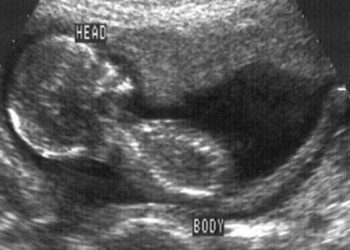
Image: PD

1. Even children born late preterm experienced increased odds of failing 1st grade standardized tests. 

2. Reducing rates of preterm birth may be an important goal to improve elementary school academic performance.

This study found that children born late pre-term were more likely to fail 1st grade standardized tests. This is one of the first studies to demonstrate that late prematurity imparts increased odds for lesser academic achievement, even when controlling for demographic and socioeconomic factors. While extreme and moderate prematurity are known risk factors for future academic failure, late prematurity has previously been thought to impart negligible risk compared with term deliveries.

RELATED REPORTS

Preterm infants have increased risk of psychological and physical health comorbidities at adulthood

#VisualAbstract: Mydriatic Microdrops are Non-inferior for Retinopathy of Prematurity Screening Compared to Standard Drops

Prenatal Systemic Glucocorticoid Exposure and an Increased Risk of Future Mental Disorders

Study findings are limited by 47% of births lost to follow-up; differential loss to follow-up may further limit results given that many of the lost births were from lower income, less educated families. Investigation of this association employing a prospective design, including the rationale for preterm delivery and evaluation of longer-term academic performance is merited.

Click to read the study in Pediatrics

[/tab]

[tab]

Image: PD

1. Even children born late preterm experienced increased odds of failing 1st grade standardized tests.

2. Reducing rates of preterm birth may be an important goal to improve elementary school academic performance.

This [retrospective cohort] study evaluated the association between gestational age at delivery and small for gestational age (<10th percentile birth weight for gestational age) and educational performance on first grade standardized tests in a cohort of Georgia children born between 1998-2003. Educational performance was assessed via three dichotomous outcomes: child passed or failed each of 3 first-grade standardized test components (math, reading, language arts). Race of children as well as maternal age, race and education were included in multivariate-adjusted models. Of the 628,115 eligible live births, 314,328 (53%) had first grade standardized test results available and could be included in the study.

Compared to children born at term (≥37 completed weeks gestation), those born late preterm (34-36 weeks) experienced greater odds of failure on math (OR:1.17, 95% CI:1.13-1.22), reading (OR:1.13, 95% CI 1.08-1.18), and language arts (OR:1.17, 95% CI: 1.07-1.29) standardized subject tests. Risk for failure was inversely associated to gestational age.

In sum: This study found that children born late pre-term were more likely to fail 1st grade standardized tests. This is one of the first studies to demonstrate that late prematurity imparts increased odds for lesser academic achievement even after controlling for demographic and socioeconomic factors. While extreme and moderate prematurity are demonstrated risk factors for future academic failure, late prematurity has been thought to impart only negligible risk compared with full term birth.

Study findings are limited by 47% of births lost to follow-up; differential loss to follow-up may further limit results given that many of the lost births were from lower income, less educated families. Investigation of this association employing a prospective design, including the rationale for preterm delivery and evaluation of longer-term academic performance is merited.

Click to read the study in Pediatrics

By Maren Shapiro and Leah Hawkins

More from this author: More U.S. women using emergency contraception pill, No cost contraception reduces unintended pregnancies, Active-Duty U.S. servicewomen have higher rates of unintended pregnancy

© 2013 2minutemedicine.com. All rights reserved. No works may be reproduced without written consent from 2minutemedicine.com. Disclaimer: We present factual information directly from peer reviewed medical journals. No post should be construed as medical advice and is not intended as such by the authors or by 2minutemedicine.com. PLEASE SEE A HEALTHCARE PROVIDER IN YOUR AREA IF YOU SEEK MEDICAL ADVICE OF ANY SORT. Content is produced in accordance with fair use copyrights solely and strictly for the purpose of teaching, news and criticism. No benefit, monetary or otherwise, is realized by any participants or the owner of this domain.

[/tab]

[/tabs]

 

Tags: pretermstandardized tests
Previous Post

Early childhood growth improves adult health outcomes in developing countries

Next Post

Varenicline reduces post-quit smoking relapses

RelatedReports

Large proportion of late preterm infants and older admitted to the NICU
Chronic Disease

Preterm infants have increased risk of psychological and physical health comorbidities at adulthood

July 31, 2025
#VisualAbstract: Mydriatic Microdrops are Non-inferior for Retinopathy of Prematurity Screening Compared to Standard Drops
StudyGraphics

#VisualAbstract: Mydriatic Microdrops are Non-inferior for Retinopathy of Prematurity Screening Compared to Standard Drops

January 20, 2025
Prenatal Systemic Glucocorticoid Exposure and an Increased Risk of Future Mental Disorders
StudyGraphics

Prenatal Systemic Glucocorticoid Exposure and an Increased Risk of Future Mental Disorders

January 16, 2025
Paternal factors associated with short interpregnancy interval
Chronic Disease

Small long term increased risks of neurodevelopmental deficits for infants born preterm

February 1, 2024
Next Post
Varenicline reduces post-quit smoking relapses

Varenicline reduces post-quit smoking relapses

American Academy of Pediatrics updates its Medicaid Policy Statement

American Academy of Pediatrics updates its Medicaid Policy Statement

Varicella vaccine provides 14-year protection against chicken pox

Varicella vaccine provides 14-year protection against chicken pox

EvidencePulse™ by 2 Minute Medicine 2026 evidence scan 3 reports You asked top stroke trials 2026 Synthesizing medical evidence... Top 2026 stroke trial results: OCEANIC — ischemic stroke: 6.2% vs 8.4% OPTION* — mRS 0–1: 43.6% vs 34.2% ORIENTAL* — mRS 0–2: 58.6% vs 46.6% *Higher sICH in intervention arms Participants randomizedN OCEANIC 12,327 OPTION 570 ORIENTAL 564 Ask about guidelines or landmark trials... ↑ Try EvidencePulse™ Ask the evidence.
Get the signal.
Try it now → Physician-trained medical AI by 2 Minute Medicine

2MM+ All Access

Full details →
$4.99 /month

5-day free trial · cancel anytime

  • ✓100+ physician-written reports
  • ✓EvidencePulse™ + HypeCheck™
  • ✓Ad-free reading + newsletters
Start 5-day free trial

Then $4.99/month. Manage renewal in your account.

2 Minute Medicine® is an award winning, physician-run, expert medical media company. Our content is curated, written and edited by practicing health professionals who have clinical and scientific expertise in their field of reporting. Our editorial management team is comprised of highly-trained MD physicians. Join numerous brands, companies, and hospitals who trust our licensed content.

Recent Reports

  • High maternal egg-peanut intake not associated with reduced infant allergy
  • The rotavirus vaccine (ROTASIIL) may reduce the incidence of hospitalization for rotavirus gastroenteritis in children
  • Emergency department triaging decisions supported by artificial intelligence (AI) led to improved triaging accuracy and patient flow
License Content
Terms of Use | Disclaimer
Cookie Policy
Cleantalk Pixel
2MM+ All Access Full details →

The medical literature, distilled daily.

Monthly plan selected: $4.99 /month.

$4.99/month

5-day free trial · cancel anytime

Start 5-day free trial

Then $4.99/month. Manage renewal in your account.

Yearly plan selected: $49.90 /year.

$49.90/year

2 months free · only $4.16/month

Start 5-day free trial

Then $49.90/year. Manage renewal in your account.

Membership benefits

  • ✓100+ physician-written reports
  • ✓AI EvidencePulse™ + HypeCheck™
  • ✓Ad-free reading + newsletters

Already a member? Sign in

  • About
  • Specialties
    • All Specialties, All Recent Reports
    • Cardiology
    • Chronic Disease
    • Dermatology
    • Emergency
    • Endocrinology
    • Gastroenterology
    • Imaging and Intervention
    • Infectious Disease
    • Nephrology
    • Neurology
    • Obstetrics
    • Oncology
    • Ophthalmology
    • Pediatrics
    • Pharma
    • Preclinical
    • Psychiatry
    • Public Health
    • Pulmonology
    • Rheumatology
    • Surgery
  • Tools
    • EvidencePulse™
    • HypeCheck™
    • NPI Registry Lookup
    • RVU Search
  • Pharma
  • AI Roundup
  • The Scan
  • Classics™
    • 2MM+ Online Access
    • Paperback and Ebook
  • Rewinds
  • Partners
    • License Content
    • Submit Press Release
    • Advertise with Us
  • Account
    • Subscribe
    • My account
    • Cart
    • Sign-in
No Result
View All Result

© 2026 2 Minute Medicine, Inc. - Physician-written medical news.