• About
  • Masthead
  • License Content
  • Advertise
  • Submit Press Release
  • RSS/Email List
  • 2MM Podcast
  • Write for us
  • Contact Us
2 Minute Medicine
No Result
View All Result

No products in the cart.

SUBSCRIBE
  • About
  • Specialties
    • All Specialties, All Recent Reports
    • Cardiology
    • Chronic Disease
    • Dermatology
    • Emergency
    • Endocrinology
    • Gastroenterology
    • Imaging and Intervention
    • Infectious Disease
    • Nephrology
    • Neurology
    • Obstetrics
    • Oncology
    • Ophthalmology
    • Pediatrics
    • Pharma
    • Preclinical
    • Psychiatry
    • Public Health
    • Pulmonology
    • Rheumatology
    • Surgery
  • Tools+
    • EvidencePulse™
    • HypeCheck™
    • NPI Registry Lookup
    • RVU Search
  • Pharma
  • AI Roundup
  • The Scan+
  • Classics™+
    • 2MM+ Online Access
    • Paperback and Ebook
  • Rewinds
  • Partners
    • License Content
    • Submit Press Release
    • Advertise with Us
  • Account
    • Subscribe
    • My account
    • Cart
    • Sign in
2 Minute Medicine
  • About
  • Specialties
    • All Specialties, All Recent Reports
    • Cardiology
    • Chronic Disease
    • Dermatology
    • Emergency
    • Endocrinology
    • Gastroenterology
    • Imaging and Intervention
    • Infectious Disease
    • Nephrology
    • Neurology
    • Obstetrics
    • Oncology
    • Ophthalmology
    • Pediatrics
    • Pharma
    • Preclinical
    • Psychiatry
    • Public Health
    • Pulmonology
    • Rheumatology
    • Surgery
  • Tools+
    • EvidencePulse™
    • HypeCheck™
    • NPI Registry Lookup
    • RVU Search
  • Pharma
  • AI Roundup
  • The Scan+
  • Classics™+
    • 2MM+ Online Access
    • Paperback and Ebook
  • Rewinds
  • Partners
    • License Content
    • Submit Press Release
    • Advertise with Us
  • Account
    • Subscribe
    • My account
    • Cart
    • Sign in
SUBSCRIBE
2 Minute Medicine
Subscribe
EvidencePulse™ by 2 Minute Medicine 2026 evidence scan 3 reports You asked top stroke trials 2026 Synthesizing medical evidence... Top 2026 stroke trial results: OCEANIC — ischemic stroke: 6.2% vs 8.4% OPTION* — mRS 0–1: 43.6% vs 34.2% ORIENTAL* — mRS 0–2: 58.6% vs 46.6% *Higher sICH in intervention arms Participants randomizedN OCEANIC 12,327 OPTION 570 ORIENTAL 564 Ask about guidelines or landmark trials... ↑ Try EvidencePulse™ Ask the evidence.
Get the signal.
Try it now → Physician-trained medical AI by 2 Minute Medicine
Home All Specialties Cardiology

Dapagliflozin slows disease progression in patients with heart failure with preserved ejection fraction
byNhat Hung (Benjamin) LamandKiera Liblik
September 26, 2022
in Cardiology, Chronic Disease
Reading Time: 2 mins read
Remote patient monitoring did not reduce heart failure readmissions: The BEAT-HF trial
Share on FacebookShare on Twitter

1. Dapagliflozin was shown to reduce the risk of disease progression and cardiovascular death in patients with a mildly reduced or preserved ejection fraction as compared to a placebo.

2. Dapagliflozin was associated with similar rates of adverse events to the placebo control.

Evidence Rating Level: 1 (Excellent)

Study Rundown: Sodium-glucose cotransporter 2 (SGLT2) inhibitors, such as dapagliflozin, are well-established therapies used to reduce the risk of hospitalization and cardiovascular death in patients with heart failure and a left ventricular ejection fraction (LVEF) of 40% or less. However, it is unclear if SGLT2 inhibitors are beneficial for heart failure patients with higher LVEF. The current study was a phase three multicenter trial that aimed to investigate the efficacy and safety of dapagliflozin in treating heart failure patients with LVEF great than 40%. The control group was given a placebo. Dapagliflozin recipients were at significantly lower risks of worsening heart failure and cardiovascular disease, along with reduced symptom burden, compared to placebo recipients. This benefit was observed regardless of patients’ diabetic status or LVEF. The incidence of adverse events, including death, was comparable between the dapagliflozin and placebo groups. Although, the specificity of the inclusion and exclusion criteria may impact the generalizability of the study results. The present study provided evidence to support the use of dapagliflozin in heart failure patients with high LVEF.

Click here to read the study in NEJM

In-Depth [randomized controlled trial]: The current study was a phase three multicenter, double-blind randomized controlled trial aimed at assessing the efficacy and safety of dapagliflozin in heart failure patients with LVEF greater than 40%. Patients were included if they were at least 40 years of age, had stabilized heart failure, had an LVEF higher than 40%, had evidence of structural heart disease, and had an elevated natriuretic peptide level, regardless of their type 2 diabetes mellitus status. Exclusion criteria included previous use of an SGLT2 inhibitor, impaired kidney function, history of myocardial infarction, coronary revascularization, and certain causes of heart failure. In total, 6233 patients were randomized 1:1 to receive dapagliflozin 10mg once daily or a placebo. The primary outcome was a composite of worsening heart failure, which was defined as either an unplanned hospitalization, an urgent visit for heart failure, or cardiovascular death. Secondary outcomes included the individual events within the primary outcome, symptom burden, and death from any cause. Over a median follow-up of 2.3 years, the primary outcome occurred in 513 of 3,131 dapagliflozin recipients (16.4%) and in 610 of 3,132 placebo recipients (19.5%) (Hazard Ratio [HR], 0.82; 95% Confidence Interval [CI], 0.73 to 0.92; p<0.001). Worsening heart failure occurred in 11.8% of dapagliflozin recipients and 14.5% of placebo recipients (HR, 0.79; 95% CI. 0.69 to 0.91), while cardiovascular death occurred in 7.4% and 8.3% of patients, respectively (HR, 0.88; 95% CI, 0.74 to 1.05). Notably, the impact of dapagliflozin on primary outcome remained consistent regardless of whether patients had type 2 diabetes mellitus. The incidence of adverse events was comparable between the dapagliflozin and placebo groups. Although its generalizability may be impacted by the specific inclusion and exclusion criteria, the study provided robust evidence to support the use of dapagliflozin in treating heart failure patients with preserved LVEF.

RELATED REPORTS

Increased rapid eye movement (REM) sleep is associated with lower risks of several chronic diseases

Chronic exposure to particulate matter is associated with increased cardiovascular risk

The mortality in-hospital for patients undergoing elective catheter ablation for atrial fibrillation is low

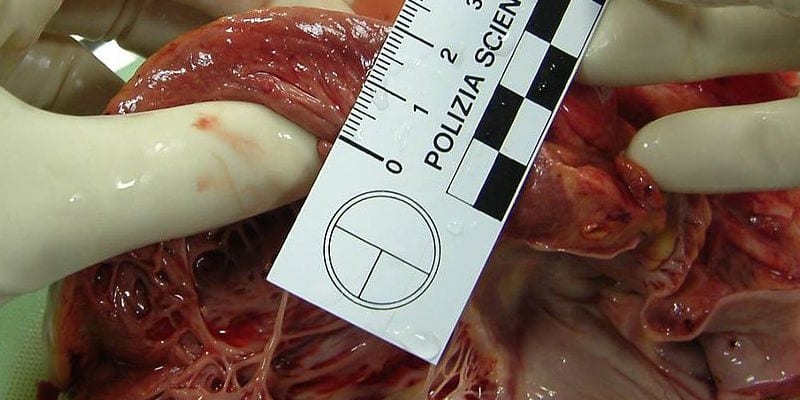
Image: PD

©2022 2 Minute Medicine, Inc. All rights reserved. No works may be reproduced without expressed written consent from 2 Minute Medicine, Inc. Inquire about licensing here. No article should be construed as medical advice and is not intended as such by the authors or by 2 Minute Medicine, Inc.

Tags: cardiologychronic diseasedapagliflozinheart failurehfpefHFpEF (heart failure with preserved ejection fraction
Previous Post

Increased pre-chemotherapy inflammatory biomarkers (IL-6 and CRP) correlated to increased risk of frailty post-chemotherapy in older breast cancer patients

Next Post

Tofersen does not improve ALS symptoms in patients with SOD1 mutations

RelatedReports

Cardiology

Increased rapid eye movement (REM) sleep is associated with lower risks of several chronic diseases

September 23, 2026
Cardiology

Chronic exposure to particulate matter is associated with increased cardiovascular risk

September 10, 2026
Rivaroxaban likely reduces risk of recurrent stroke in specific subgroup of patients with embolic stroke of undetermined source
Cardiology

The mortality in-hospital for patients undergoing elective catheter ablation for atrial fibrillation is low

September 4, 2026
Remote patient monitoring did not reduce heart failure readmissions: The BEAT-HF trial
Cardiology

A medical care at home program following hospitalization with acute decompensated heart failure may offer a safe and effective alternative to continued hospitalization

July 24, 2026
Next Post
Quick Take: Amyotrophic Lateral Sclerosis versus Multifocal Motor Neuropathy: Utility of MR Neurography

Tofersen does not improve ALS symptoms in patients with SOD1 mutations

Factors contributing to parents providing alcohol sips to adolescents

Effectiveness of stand-alone telephone-delivered intervention for reducing problem alcohol use

Reduced gestational weight gain with lifestyle intervention

Occupational and leisure physical activity may have varying effects on inflammation 

EvidencePulse™ by 2 Minute Medicine 2026 evidence scan 3 reports You asked top stroke trials 2026 Synthesizing medical evidence... Top 2026 stroke trial results: OCEANIC — ischemic stroke: 6.2% vs 8.4% OPTION* — mRS 0–1: 43.6% vs 34.2% ORIENTAL* — mRS 0–2: 58.6% vs 46.6% *Higher sICH in intervention arms Participants randomizedN OCEANIC 12,327 OPTION 570 ORIENTAL 564 Ask about guidelines or landmark trials... ↑ Try EvidencePulse™ Get the signal. Try it now → Physician-trained medical AI by 2 Minute Medicine

2MM+ All Access

Full details →
$4.99 /month

3-day free trial · cancel anytime

  • ✓100+ physician-written reports
  • ✓EvidencePulse™ + HypeCheck™
  • ✓Ad-free reading + newsletters
Start 3-day free trial

Then $4.99/month. Manage renewal in your account.

2 Minute Medicine® is an award winning, physician-run, expert medical media company. Our content is curated, written and edited by practicing health professionals who have clinical and scientific expertise in their field of reporting. Our editorial management team is comprised of highly-trained MD physicians. Join numerous brands, companies, and hospitals who trust our licensed content.

Recent Reports

  • Probiotic supplementation is associated with reduced risk of death and necrotizing enterocolitis among preterm infants
  • Artificial intelligence (AI)-triggered rapid response notifications were associated with lower mortality among inpatients
  • Post-traumatic stress disorder is associated with increased risk of mild cognitive impairment and dementia among United States Veterans
License Content
Terms of Use | Disclaimer
Cookie Policy
2MM+ All Access Full details →

The medical literature, distilled daily.

Monthly plan selected: $4.99 /month.

$4.99/month

3-day free trial · cancel anytime

Start 3-day free trial

Then $4.99/month. Manage renewal in your account.

Yearly plan selected: $49.90 /year.

$49.90/year

2 months free

Start 3-day free trial

Then $49.90/year.

Membership benefits

  • ✓100+ physician-written reports
  • ✓AI EvidencePulse™ + HypeCheck™
  • ✓Ad-free reading + newsletters

Already a member? Sign in

  • About
  • Specialties
    • All Specialties, All Recent Reports
    • Cardiology
    • Chronic Disease
    • Dermatology
    • Emergency
    • Endocrinology
    • Gastroenterology
    • Imaging and Intervention
    • Infectious Disease
    • Nephrology
    • Neurology
    • Obstetrics
    • Oncology
    • Ophthalmology
    • Pediatrics
    • Pharma
    • Preclinical
    • Psychiatry
    • Public Health
    • Pulmonology
    • Rheumatology
    • Surgery
  • Tools
    • EvidencePulse™
    • HypeCheck™
    • NPI Registry Lookup
    • RVU Search
  • Pharma
  • AI Roundup
  • The Scan
  • Classics™
    • 2MM+ Online Access
    • Paperback and Ebook
  • Rewinds
  • Partners
    • License Content
    • Submit Press Release
    • Advertise with Us
  • Account
    • Subscribe
    • My account
    • Cart
    • Sign in
No Result
View All Result

© 2026 2 Minute Medicine, Inc. - Physician-written medical news.