• About
  • Masthead
  • License Content
  • Advertise
  • Submit Press Release
  • RSS/Email List
  • 2MM Podcast
  • Write for us
  • Contact Us
2 Minute Medicine
No Result
View All Result

No products in the cart.

SUBSCRIBE
  • Specialties
    • All Specialties, All Recent Reports
    • Cardiology
    • Chronic Disease
    • Dermatology
    • Emergency
    • Endocrinology
    • Gastroenterology
    • Imaging and Intervention
    • Infectious Disease
    • Nephrology
    • Neurology
    • Obstetrics
    • Oncology
    • Ophthalmology
    • Pediatrics
    • Pharma
    • Preclinical
    • Psychiatry
    • Public Health
    • Pulmonology
    • Rheumatology
    • Surgery
  • Tools
    • EvidencePulse™
    • RVU Search
    • NPI Registry Lookup
  • Pharma
  • AI News
  • The Scan+
  • Classics™+
    • 2MM+ Online Access
    • Paperback and Ebook
  • Rewinds
  • Partners
    • License Content
    • Submit Press Release
    • Advertise with Us
  • Account
    • Subscribe
    • Sign-in
    • My account
2 Minute Medicine
  • Specialties
    • All Specialties, All Recent Reports
    • Cardiology
    • Chronic Disease
    • Dermatology
    • Emergency
    • Endocrinology
    • Gastroenterology
    • Imaging and Intervention
    • Infectious Disease
    • Nephrology
    • Neurology
    • Obstetrics
    • Oncology
    • Ophthalmology
    • Pediatrics
    • Pharma
    • Preclinical
    • Psychiatry
    • Public Health
    • Pulmonology
    • Rheumatology
    • Surgery
  • Tools
    • EvidencePulse™
    • RVU Search
    • NPI Registry Lookup
  • Pharma
  • AI News
  • The Scan+
  • Classics™+
    • 2MM+ Online Access
    • Paperback and Ebook
  • Rewinds
  • Partners
    • License Content
    • Submit Press Release
    • Advertise with Us
  • Account
    • Subscribe
    • Sign-in
    • My account
SUBSCRIBE
2 Minute Medicine
Subscribe
Home All Specialties Cardiology

Deep neuromuscular blockade in radiofrequency catheter ablation may provide greater reduction in atrial fibrillation recurrence
byPaary BalakumarandAlex Chan
January 27, 2025
in Cardiology, Chronic Disease, Neurology
Reading Time: 2 mins read
0
Share on FacebookShare on Twitter

1. Deep neuromuscular blockade in radiofrequency catheter ablation under general anesthesia reduced the atrial fibrillation recurrence rate compared to moderate neuromuscular blockade 

Evidence Rating Level: 1 (Excellent)

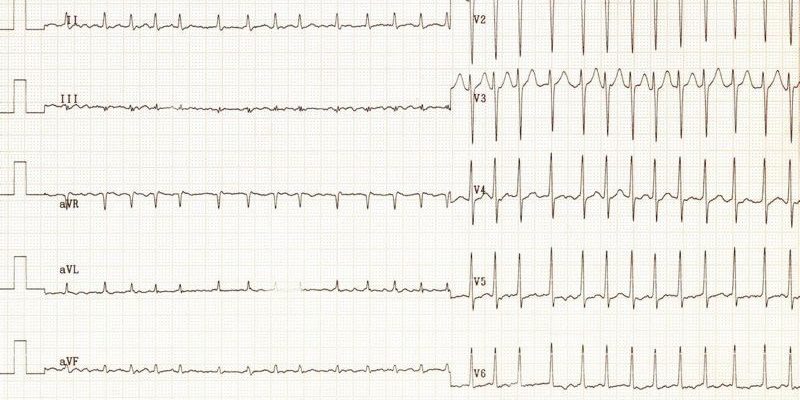
This randomized controlled trial investigated the impact of neuromuscular blockade depth on atrial fibrillation (AF) recurrence following radiofrequency catheter ablation (RFCA) under general anesthesia. The study compared moderate (Group M) and deep (Group D) neuromuscular blockade in 94 patients over a 12-month follow-up. Both groups underwent RFCA with standardized anesthesia protocols, differing only in the intensity of muscle relaxation monitored via train-of-four and post-tetanic counts. Key outcomes included the recurrence rates of AF and related symptoms, assessed through electrocardiographic diagnosis and clinical evaluations. There was a significant reduction in AF recurrence in Group D (25%) compared to Group M (46%), with a relative risk of 0.545. Symptom recurrence rates mirrored this trend, being notably lower in the deep blockade group (25% vs. 54%, p=0.003). Additionally, procedural stability and operator satisfaction were higher in the deep blockade group due to minimized diaphragmatic movements and improved catheter contact. However, no significant differences were observed in anesthesia or ablation durations. This suggests that deep neuromuscular blockade enhances RFCA efficacy by providing a stable surgical environment, leading to lower AF recurrence rates. This research underscores the importance of precise anesthetic management in optimizing RFCA outcomes and calls for further studies to confirm these results and explore long-term implications.

Click to read the study in PLOSONE

Image: PD

©2024 2 Minute Medicine, Inc. All rights reserved. No works may be reproduced without expressed written consent from 2 Minute Medicine, Inc. Inquire about licensing here. No article should be construed as medical advice and is not intended as such by the authors or by 2 Minute Medicine, Inc. 

RELATED REPORTS

A cognitive rehabilitation program may improve cognitive performance in patients with long COVID

A medical care at home program following hospitalization with acute decompensated heart failure may offer a safe and effective alternative to continued hospitalization

Catheter ablation within 1 year of atrial fibrillation diagnosis is associated with reduced risk of recurrence

Tags: atrial fibrillationcardiologyelectrophysiologyinterventional cardiologyneurology
Previous Post

Roux-en-Y gastric bypass and sleeve gastrectomy may be equally cost-effective among patients with type 2 diabetes

Next Post

Aurion Biotech: Cell Therapy AURN001 Improves Vision in Patients with Corneal Endothelial Disease

RelatedReports

Novel coronavirus identified from patients with pneumonia in Wuhan, China
Chronic Disease

A cognitive rehabilitation program may improve cognitive performance in patients with long COVID

July 28, 2026
Remote patient monitoring did not reduce heart failure readmissions: The BEAT-HF trial
Cardiology

A medical care at home program following hospitalization with acute decompensated heart failure may offer a safe and effective alternative to continued hospitalization

July 24, 2026
Rivaroxaban likely reduces risk of recurrent stroke in specific subgroup of patients with embolic stroke of undetermined source
Cardiology

Catheter ablation within 1 year of atrial fibrillation diagnosis is associated with reduced risk of recurrence

July 24, 2026
Remote patient monitoring did not reduce heart failure readmissions: The BEAT-HF trial
Weekly Rewinds

2 Minute Medicine Rewind July 20, 2026

July 20, 2026
Next Post
Adalimumab aids in control of noninfectious uveitis

Aurion Biotech: Cell Therapy AURN001 Improves Vision in Patients with Corneal Endothelial Disease

Risk of autism in offspring linked to maternal pregestational diabetes and severe obesity

2 Minute Medicine Rewind February 3, 2025

UTI associated with increased risk of preeclampsia

Blood pressure readings remain consistent in noisy and public settings

2 Minute Medicine® is an award winning, physician-run, expert medical media company. Our content is curated, written and edited by practicing health professionals who have clinical and scientific expertise in their field of reporting. Our editorial management team is comprised of highly-trained MD physicians. Join numerous brands, companies, and hospitals who trust our licensed content.

Recent Reports

  • 2 Minute Medicine Rewind August 3rd, 2026
  • New Mexico measles outbreak associated with significant costs
  • A digital mental health intervention may improve anxiety in breast cancer survivors
License Content
Terms of Use | Disclaimer
Cookie Policy
Privacy Statement (EU)
Disclaimer
  • Specialties
    • All Specialties, All Recent Reports
    • Cardiology
    • Chronic Disease
    • Dermatology
    • Emergency
    • Endocrinology
    • Gastroenterology
    • Imaging and Intervention
    • Infectious Disease
    • Nephrology
    • Neurology
    • Obstetrics
    • Oncology
    • Ophthalmology
    • Pediatrics
    • Pharma
    • Preclinical
    • Psychiatry
    • Public Health
    • Pulmonology
    • Rheumatology
    • Surgery
  • Tools
    • EvidencePulse™
    • RVU Search
    • NPI Registry Lookup
  • Pharma
  • AI News
  • The Scan
  • Classics™
    • 2MM+ Online Access
    • Paperback and Ebook
  • Rewinds
  • Partners
    • License Content
    • Submit Press Release
    • Advertise with Us
  • Account
    • Subscribe
    • Sign-in
    • My account
No Result
View All Result

© 2026 2 Minute Medicine, Inc. - Physician-written medical news.