• About
  • Masthead
  • License Content
  • Advertise
  • Submit Press Release
  • RSS/Email List
  • 2MM Podcast
  • Write for us
  • Contact Us
2 Minute Medicine
No Result
View All Result

No products in the cart.

SUBSCRIBE
  • Specialties
    • All Specialties, All Recent Reports
    • Cardiology
    • Chronic Disease
    • Dermatology
    • Emergency
    • Endocrinology
    • Gastroenterology
    • Imaging and Intervention
    • Infectious Disease
    • Nephrology
    • Neurology
    • Obstetrics
    • Oncology
    • Ophthalmology
    • Pediatrics
    • Pharma
    • Preclinical
    • Psychiatry
    • Public Health
    • Pulmonology
    • Rheumatology
    • Surgery
  • Tools
    • EvidencePulse™
    • RVU Search
    • NPI Registry Lookup
  • Pharma
  • AI News
  • The Scan+
  • Classics™+
    • 2MM+ Online Access
    • Paperback and Ebook
  • Rewinds
  • Partners
    • License Content
    • Submit Press Release
    • Advertise with Us
  • Account
    • Subscribe
    • Sign-in
    • My account
2 Minute Medicine
  • Specialties
    • All Specialties, All Recent Reports
    • Cardiology
    • Chronic Disease
    • Dermatology
    • Emergency
    • Endocrinology
    • Gastroenterology
    • Imaging and Intervention
    • Infectious Disease
    • Nephrology
    • Neurology
    • Obstetrics
    • Oncology
    • Ophthalmology
    • Pediatrics
    • Pharma
    • Preclinical
    • Psychiatry
    • Public Health
    • Pulmonology
    • Rheumatology
    • Surgery
  • Tools
    • EvidencePulse™
    • RVU Search
    • NPI Registry Lookup
  • Pharma
  • AI News
  • The Scan+
  • Classics™+
    • 2MM+ Online Access
    • Paperback and Ebook
  • Rewinds
  • Partners
    • License Content
    • Submit Press Release
    • Advertise with Us
  • Account
    • Subscribe
    • Sign-in
    • My account
SUBSCRIBE
2 Minute Medicine
Subscribe
Home All Specialties Chronic Disease

Elevated blood pressure at discharge from delivery hospitalization predicts earlier admission postpartum
byPaary BalakumarandSimon Pan
February 23, 2026
in Chronic Disease, Obstetrics
Reading Time: 2 mins read
0
Share on FacebookShare on Twitter

1. Blood pressure ≥140/90 mmHg at discharge predicts earlier postpartum admission but does not predict severity of hypertensive disease at readmission.

2. De novo postpartum hypertensive disorders account for a substantial proportion of admissions and frequently present with severe disease.

Evidence Rating Level: 2 (Good)

Hypertensive disorders of pregnancy (HDP) are a leading cause of postpartum admission (PPA), yet it is unclear whether blood pressure (BP) at discharge from delivery hospitalization predicts the severity of subsequent postpartum hypertensive complications. In this retrospective cohort study (2016–2021), 132 individuals admitted postpartum for hypertension were evaluated. The exposure was the highest BP within 24 hours prior to delivery discharge, categorized as normal (<140/90 mmHg) or elevated (≥140/90 mmHg). The primary outcome was HDP severity at PPA, measured using a composite Severity Score incorporating sustained severe BP, laboratory abnormalities, pulmonary edema, posterior reversible encephalopathy syndrome, and eclampsia. Severity of HDP at PPA did not differ between patients discharged with normal versus elevated BP (adjusted β −0.11, 95% CI −0.33 to 0.11). However, elevated discharge BP was associated with earlier readmission (median 3 vs 5 days; adjusted β −1.59, 95% CI −3.06 to −0.12). Severe presentations were common in both groups, and 49% experienced worsening HDP diagnoses. Notably, 27% of admissions represented de novo postpartum HDP. These findings suggest that discharge BP ≥140/90 mmHg predicts earlier, but not more severe, postpartum hypertensive admissions, and highlight the substantial burden of newly presenting postpartum hypertension.

Click here to read this study in PLOS One

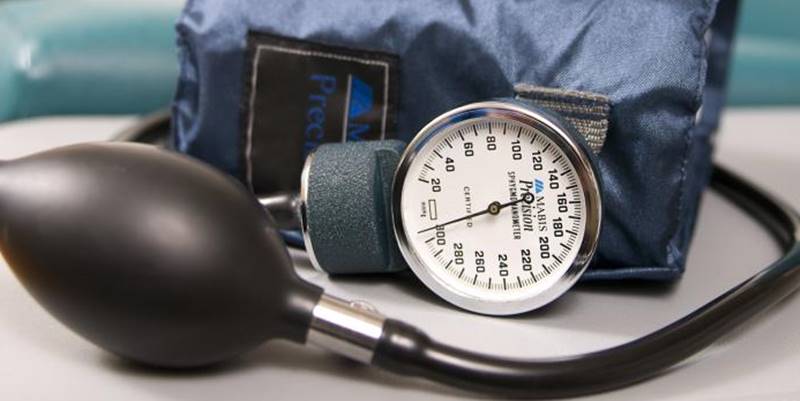
Image: PD

RELATED REPORTS

Maternal exposure to environmental stressors is associated with decreased odds of infant survival among preterm infants

Prenatal depression and gestational diabetes are associated with increased risk of childhood obesity

2 Minute Medicine Rewind February 23, 2026

©2026 2 Minute Medicine, Inc. All rights reserved. No works may be reproduced without expressed written consent from 2 Minute Medicine, Inc. Inquire about licensing here. No article should be construed as medical advice and is not intended as such by the authors or by 2 Minute Medicine, Inc. 
Tags: hypertensionHypertensive disorder of pregnancyobstetricspostpartum
Previous Post

Physicians slightly more likely to die at home or hospice

Next Post

Self-reported fine motor ability is associated with higher life satisfaction in cervical spinal cord injury

RelatedReports

Prenatal antidepressant exposure may increase risk of poor motor development
Obstetrics

Maternal exposure to environmental stressors is associated with decreased odds of infant survival among preterm infants

March 5, 2026
Prenatal antidepressant exposure may increase risk of poor motor development
Chronic Disease

Prenatal depression and gestational diabetes are associated with increased risk of childhood obesity

February 23, 2026
Many new pediatric asthma cases attributable to obesity
Weekly Rewinds

2 Minute Medicine Rewind February 23, 2026

February 23, 2026
Prenatal antidepressant exposure may increase risk of poor motor development
Chronic Disease

Second-stage cesarean and operative vaginal deliveries are associated with similar neurodevelopmental outcomes in children

February 4, 2026
Next Post
Traumatic spinal cord injury rates remain stable in the United States

Self-reported fine motor ability is associated with higher life satisfaction in cervical spinal cord injury

Niraparib may lengthen progression-free survival for patients with recurrent ovarian cancer

Safety and efficacy of novel antibody-oligonucleotide therapy for myotonic dystrophy type 1

Non-alcoholic fatty liver disease and risk of incident acute myocardial infarction and stroke: findings from matched cohort study of 18 million European adults

Virtual reality rehabilitation is safe and feasible for upper extremity recovery after subacute ischemic stroke

2 Minute Medicine® is an award winning, physician-run, expert medical media company. Our content is curated, written and edited by practicing health professionals who have clinical and scientific expertise in their field of reporting. Our editorial management team is comprised of highly-trained MD physicians. Join numerous brands, companies, and hospitals who trust our licensed content.

Recent Reports

  • Psilocybin in combination with cognitive behavioural therapy may improve smoking abstinence compared to nicotine patches
  • 2 Minute Medicine Rewind March 16, 2026
  • α-synuclein pathology is associated with faster tau accumulation in women
License Content
Terms of Use | Disclaimer
Cookie Policy
Privacy Statement (EU)
Disclaimer

© 2025 2 Minute Medicine, Inc. - Physician-written medical news.

  • Specialties
    • All Specialties, All Recent Reports
    • Cardiology
    • Chronic Disease
    • Dermatology
    • Emergency
    • Endocrinology
    • Gastroenterology
    • Imaging and Intervention
    • Infectious Disease
    • Nephrology
    • Neurology
    • Obstetrics
    • Oncology
    • Ophthalmology
    • Pediatrics
    • Pharma
    • Preclinical
    • Psychiatry
    • Public Health
    • Pulmonology
    • Rheumatology
    • Surgery
  • Tools
    • EvidencePulse™
    • RVU Search
    • NPI Registry Lookup
  • Pharma
  • AI News
  • The Scan
  • Classics™
    • 2MM+ Online Access
    • Paperback and Ebook
  • Rewinds
  • Partners
    • License Content
    • Submit Press Release
    • Advertise with Us
  • Account
    • Subscribe
    • Sign-in
    • My account
No Result
View All Result

© 2025 2 Minute Medicine, Inc. - Physician-written medical news.