• About
  • Masthead
  • License Content
  • Advertise
  • Submit Press Release
  • RSS/Email List
  • 2MM Podcast
  • Write for us
  • Contact Us
2 Minute Medicine
No Result
View All Result

No products in the cart.

SUBSCRIBE
  • Specialties
    • All Specialties, All Recent Reports
    • Cardiology
    • Chronic Disease
    • Dermatology
    • Emergency
    • Endocrinology
    • Gastroenterology
    • Imaging and Intervention
    • Infectious Disease
    • Nephrology
    • Neurology
    • Obstetrics
    • Oncology
    • Ophthalmology
    • Pediatrics
    • Pharma
    • Preclinical
    • Psychiatry
    • Public Health
    • Pulmonology
    • Rheumatology
    • Surgery
  • Tools
    • EvidencePulse™
    • RVU Search
    • NPI Registry Lookup
  • Pharma
  • AI News
  • The Scan+
  • Classics™+
    • 2MM+ Online Access
    • Paperback and Ebook
  • Rewinds
  • Partners
    • License Content
    • Submit Press Release
    • Advertise with Us
  • Account
    • Subscribe
    • Sign-in
    • My account
2 Minute Medicine
  • Specialties
    • All Specialties, All Recent Reports
    • Cardiology
    • Chronic Disease
    • Dermatology
    • Emergency
    • Endocrinology
    • Gastroenterology
    • Imaging and Intervention
    • Infectious Disease
    • Nephrology
    • Neurology
    • Obstetrics
    • Oncology
    • Ophthalmology
    • Pediatrics
    • Pharma
    • Preclinical
    • Psychiatry
    • Public Health
    • Pulmonology
    • Rheumatology
    • Surgery
  • Tools
    • EvidencePulse™
    • RVU Search
    • NPI Registry Lookup
  • Pharma
  • AI News
  • The Scan+
  • Classics™+
    • 2MM+ Online Access
    • Paperback and Ebook
  • Rewinds
  • Partners
    • License Content
    • Submit Press Release
    • Advertise with Us
  • Account
    • Subscribe
    • Sign-in
    • My account
SUBSCRIBE
2 Minute Medicine
Subscribe
Home All Specialties Cardiology

Empagliflozin use associated with decreased rate of macroalbuminuria
byMichael WongandAlex Chan
September 28, 2022
in Cardiology, Endocrinology, Nephrology
Reading Time: 3 mins read
0
Share on FacebookShare on Twitter

1. In this post-hoc analysis of a randomized controlled trial, empagliflozin use in patients with heart failure (HF) was associated with decreased rate of new onset macroalbuminuria and increased rate of sustained remission from macroalbuminuria, which is an important variable in assessing severity of chronic kidney disease.

Evidence Rating Level: 1 (Excellent)

Albuminuria, defined as spot urine albumin-to-creatinine ratio (UACR) is an important indicator of structural damage of glomerular filtration barrier, and is key in assessing chronic kidney disease. Previous studies have shown benefits of angiotensin-converting enzyme inhibitors (ACEi) and angiotensin receptor blockers (ARBs) in reducing albuminuria. Furthermore, sodium glucose cotransporter-2 inhibitors have been shown to reduce the progression of albuminuria to macroalbuminuria in patients with diabetes and CKD, with and without diabetes. Research has shown that macroalbuminuria in patients with heart failure is associated with increased risk of hospitalizations and mortality. Using data from the Empagliflozin Outcome Trial in Patients With Chronic Heart Failure with Reduced Ejection Fraction (EMPEROR-Reduced) and Empagliflozin in Heart Failure with a Preserved Ejection Fraction (EMPEROR-Preserved), known as EMPEROR-Pooled, the association of empagliflozin with albuminuria was studied. EMPEROR-Pooled was an international multicenter randomized double-blinded, placebo-controlled trial that enrolled patients with chronic heart failure. Patients were randomized in a double-blind manner to receive placebo or empagliflozin, and albuminuria was assessed using UACR at weeks 4, 12, 32, 52, and every 24 weeks afterward. The primary outcome was both cardiovascular death or heart failure (HF) hospitalization. 9,673 patients were included in this study; 5552 patients had normoalbuminuria (UACR < 30 mg/g), and 1025 patients had macroalbuminuria (UACR > 300 mg/g). Treatment with empagliflozin was associated with a reduction in the incidence of new macroalbuminuria (P=.005), which was consistent across subgroups. Furthermore, among the patients with existing macroalbuminuria, empagliflozin was associated with an increased rate of remission to normoalbuminuria or microalbuminuria (P=.009). However, empagliflozin was not significantly associated with relative changes in UACR over time in the overall population. A major limitation of this study was that the physiological mechanism through which empagliflozin reduces albuminuria could not be determined, which may cause hesitance among physicians. Overall, the findings from this post-hoc analysis suggest that empagliflozin was associated with a decreased rate of new onset macroalbuminuria, and an increased rate of sustained remission to normoalbuminuria or microalbuminuria in patients with heart failure across all subgroups. Empagliflozin was also associated with improved cardiovascular and kidney outcomes irrespective of baseline UACR. This post-hoc analysis supports use of empagliflozin in patients with heart failure, across all types of albuminuria, and will hopefully guide future clinical practice in early use of empagliflozin to prevent progression of kidney disease.

Click to read the study in JAMA Cardiology

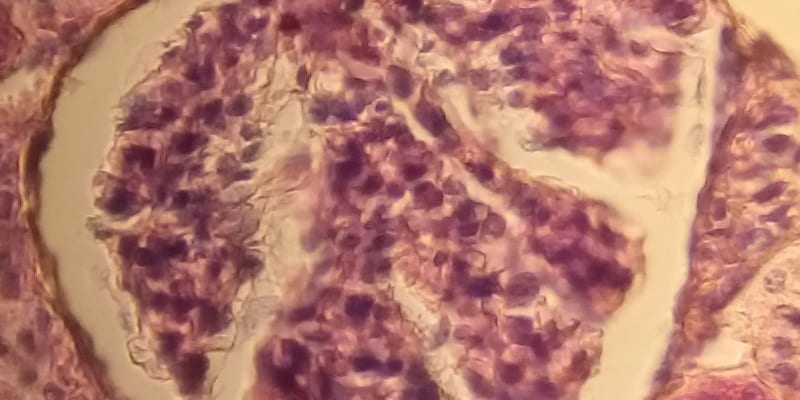
Image: PD

©2022 2 Minute Medicine, Inc. All rights reserved. No works may be reproduced without expressed written consent from 2 Minute Medicine, Inc. Inquire about licensing here. No article should be construed as medical advice and is not intended as such by the authors or by 2 Minute Medicine, Inc.


RELATED REPORTS

An intradialytic exercise intervention did not improve dialysis adequacy

Point-of-care ultrasound may be effective at identifying nephrolithiasis in the emergency department

Sparsentan (Filspari) becomes first approved treatment for focal segmental glomerulosclerosis

Tags: endocrinologyheart failurenephrologyslgt2i
Previous Post

Dupilumab plus topical corticosteroids are effective in the treatment of childhood atopic dermatitis

Next Post

#VisualAbstract: Adjuvant pembrolizumab increased disease-free survival in completely resected, PD-L1 unselected non-small-cell lung cancer patients

RelatedReports

Fish oil and aspirin did not reduce arteriovenous fistula failure: The FAVOURED trail
Chronic Disease

An intradialytic exercise intervention did not improve dialysis adequacy

May 18, 2026
Renal stones in women linked with increased risk of coronary heart disease
Emergency

Point-of-care ultrasound may be effective at identifying nephrolithiasis in the emergency department

May 11, 2026
Tenofovir disoprovil fumarate HIV prophylaxis linked with minimal kidney impact
Nephrology

Sparsentan (Filspari) becomes first approved treatment for focal segmental glomerulosclerosis

May 6, 2026
Remote patient monitoring did not reduce heart failure readmissions: The BEAT-HF trial
Cardiology

Polycythemia is not associated with increased mortality in heart failure

April 28, 2026
Next Post
#VisualAbstract: Adjuvant pembrolizumab increased disease-free survival in completely resected, PD-L1 unselected non-small-cell lung cancer patients

#VisualAbstract: Adjuvant pembrolizumab increased disease-free survival in completely resected, PD-L1 unselected non-small-cell lung cancer patients

Physical therapy reduces pain in adults with knee osteoarthritis

Lower limb osteoarthritis may be more prevalent in retired Olympians

#VisualAbstract: Polypill reduces adverse cardiovascular events among older patients with recent myocardial infarction

#VisualAbstract: Polypill reduces adverse cardiovascular events among older patients with recent myocardial infarction

2 Minute Medicine® is an award winning, physician-run, expert medical media company. Our content is curated, written and edited by practicing health professionals who have clinical and scientific expertise in their field of reporting. Our editorial management team is comprised of highly-trained MD physicians. Join numerous brands, companies, and hospitals who trust our licensed content.

Recent Reports

  • 2MM: AI Roundup: Food and Drug Administration reviews liver injury prediction tool, Joint Commission launches healthcare artificial intelligence certification, governance playbooks aim to standardize adoption, and pediatric hospitals bring generative tools to the frontline
  • Food coloring additives are associated with higher incidence of type 2 diabetes
  • Children conceived through infertility treatments may have similar growth compared to naturally conceived children
License Content
Terms of Use | Disclaimer
Cookie Policy
Privacy Statement (EU)
Disclaimer
  • Specialties
    • All Specialties, All Recent Reports
    • Cardiology
    • Chronic Disease
    • Dermatology
    • Emergency
    • Endocrinology
    • Gastroenterology
    • Imaging and Intervention
    • Infectious Disease
    • Nephrology
    • Neurology
    • Obstetrics
    • Oncology
    • Ophthalmology
    • Pediatrics
    • Pharma
    • Preclinical
    • Psychiatry
    • Public Health
    • Pulmonology
    • Rheumatology
    • Surgery
  • Tools
    • EvidencePulse™
    • RVU Search
    • NPI Registry Lookup
  • Pharma
  • AI News
  • The Scan
  • Classics™
    • 2MM+ Online Access
    • Paperback and Ebook
  • Rewinds
  • Partners
    • License Content
    • Submit Press Release
    • Advertise with Us
  • Account
    • Subscribe
    • Sign-in
    • My account
No Result
View All Result

© 2026 2 Minute Medicine, Inc. - Physician-written medical news.