Ensitrelvir associated with reduced risk of Covid-19 among household contacts
1. In this randomized controlled trial, household contacts of patients with Covid-19 who received ensitrelvir shortly after exposure had reduced incidence of infection as compared to those who received placebo.
2. Those who received ensitrelvir had similar rates of adverse events and serious adverse events versus placebo.
Evidence Rating Level: 1 (Excellent)
Study Rundown: Household transmission remains an important driver of Covid-19, but prior trials of oral antiviral postexposure prophylaxis have not shown clear benefit. Ensitrelvir is an oral inhibitor of SARS-CoV-2 3C-like protease which has shown antiviral efficacy against a number of variants. This randomized controlled trial was designed to evaluate whether ensitrelvir would prevent transmission of SARS-CoV-2 in exposed household contacts. Overall, it was found that ensitrelvir significantly reduced symptomatic, laboratory-confirmed Covid-19 by day ten. This finding was largely consistent across prespecified subgroups, including older adults and persons at high risk for severe disease. Further, ensitrelvir also reduced laboratory-confirmed SARS-CoV-2 infection regardless of symptoms. Overall and serious adverse event rates were similar to placebo. The study was limited by the lack of data on masking and household behaviors, the use of antivirals in some index patients, and a highly immune study population, which may affect generalizability. Nonetheless, these results suggest that ensitrelvir may be an effective oral postexposure prophylaxis option after household Covid-19 exposure.
Click to read the study in NEJM
Relevant Reading: Oral Nirmatrelvir–Ritonavir as Postexposure Prophylaxis for Covid-19
In-Depth [randomized controlled trial]: In this multicenter phase 3, double-blind, placebo-controlled trial, 2387 household contacts of index patients were randomly assigned in a 1:1 ratio to receive either ensitrelvir at a dose of 375 mg on day 1 and 125 mg on days 2 through 5, or matching placebo tablets. The primary modified intention-to-treat population included 2041 participants with a central-laboratory confirmed negative reverse-transcriptase polymerase-chain-reaction (RT-PCR) test at baseline who received at least one dose of study drug, including 1030 in the ensitrelvir group and 1011 in the placebo group. Mean age was 42.4 years, 59.3% were female, 37.0% had at least one risk factor for severe Covid-19, 71.1% were enrolled within 48 hours after symptom onset in the index patient, and more than 98% had antinucleocapsid or antispike antibodies. The primary end point was the incidence of Covid-19 by day 10, defined as central-laboratory RT-PCR positivity plus at least 1 of 14 prespecified symptoms lasting at least 48 hours. By day 10, Covid-19 occurred in 2.9% of participants in the ensitrelvir group and 9.0% of those in the placebo group (risk ratio, 0.33; 95% confidence interval [CI], 0.22 to 0.49; P<0.001). In the intention-to-treat population, rates were 4.4% and 10.2%, respectively (risk ratio, 0.43; 95% CI, 0.32 to 0.59; P<0.001). Laboratory-confirmed SARS-CoV-2 infection regardless of symptoms occurred in 14.0% of the ensitrelvir group and 21.5% of the placebo group (risk ratio, 0.66; 95% CI, 0.55 to 0.79). Adverse events occurred in 15.1% and 15.5% of participants, respectively, and serious adverse events occurred in 0.2% of each group. The most common adverse events were headache (2.9% vs. 2.5%), diarrhea (1.8% vs. 1.3%), and nasopharyngitis (1.3% vs. 1.3%). No Covid-19–related hospitalizations or deaths were reported. In summary, ensitrelvir was safe and efficacious in reducing incident Covid-19 among exposed household contacts.
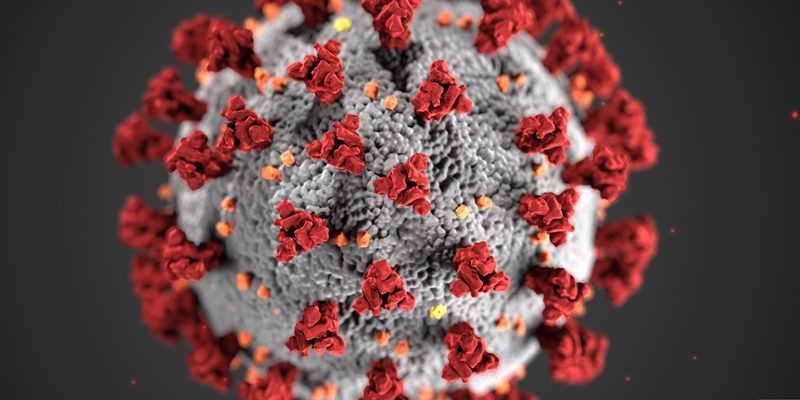
Image: PD
©2026 2 Minute Medicine, Inc. All rights reserved. No works may be reproduced without expressed written consent from 2 Minute Medicine, Inc. Inquire about licensing here. No article should be construed as medical advice and is not intended as such by the authors or by 2 Minute Medicine, Inc.