




• About
  • Masthead
  • License Content
  • Advertise
  • Submit Press Release
  • RSS/Email List
  • 2MM Podcast
  • Write for us
  • Contact Us
2 Minute Medicine
No Result
View All Result

No products in the cart.

SUBSCRIBE
  • Specialties
    • All Specialties, All Recent Reports
    • Cardiology
    • Chronic Disease
    • Dermatology
    • Emergency
    • Endocrinology
    • Gastroenterology
    • Imaging and Intervention
    • Infectious Disease
    • Nephrology
    • Neurology
    • Obstetrics
    • Oncology
    • Ophthalmology
    • Pediatrics
    • Pharma
    • Preclinical
    • Psychiatry
    • Public Health
    • Pulmonology
    • Rheumatology
    • Surgery
  • Tools
    • EvidencePulse™
    • RVU Search
    • NPI Registry Lookup
  • Pharma
  • AI News
  • The Scan+
  • Classics™+
    • 2MM+ Online Access
    • Paperback and Ebook
  • Rewinds
  • Partners
    • License Content
    • Submit Press Release
    • Advertise with Us
  • Account
    • Subscribe
    • Sign-in
    • My account
2 Minute Medicine
  • Specialties
    • All Specialties, All Recent Reports
    • Cardiology
    • Chronic Disease
    • Dermatology
    • Emergency
    • Endocrinology
    • Gastroenterology
    • Imaging and Intervention
    • Infectious Disease
    • Nephrology
    • Neurology
    • Obstetrics
    • Oncology
    • Ophthalmology
    • Pediatrics
    • Pharma
    • Preclinical
    • Psychiatry
    • Public Health
    • Pulmonology
    • Rheumatology
    • Surgery
  • Tools
    • EvidencePulse™
    • RVU Search
    • NPI Registry Lookup
  • Pharma
  • AI News
  • The Scan+
  • Classics™+
    • 2MM+ Online Access
    • Paperback and Ebook
  • Rewinds
  • Partners
    • License Content
    • Submit Press Release
    • Advertise with Us
  • Account
    • Subscribe
    • Sign-in
    • My account
SUBSCRIBE
2 Minute Medicine
Subscribe
Home All Specialties Pharma

Humanetics Corporation: BIO 300 Synthetic Genistein Nanosuspension May Protect Against Negative Effects Of Radiation Therapy In Lung Cancer Patients

byUsamah BhaiduandFlaviu Trifoi
May 19, 2024
in Pharma
Reading Time: 2 mins read
0
Share on FacebookShare on Twitter
  1. BIO 300 use led to reduced levels of a proinflammatory/profibrotic cytokine associated with lung injury from radiation therapy.
  1. BIO 300 did not interfere with the pharmacokinetics of chemotherapy, did not result in dose limiting toxicities, and led to only mild-moderate adverse events.

The Latest

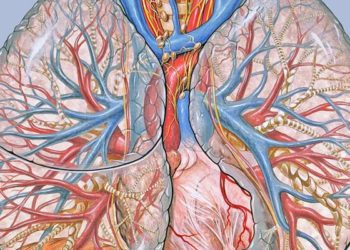
A recent multicenter phase 1b/2a clinical trial funded by the National Institute of Health and the Humanetics Corporation investigated the utility of BIO 300, an oral synthetic genistein nanosuspension, as a radioprotectant for patients undergoing chemoradiotherapy for non-small cell lung cancer (NSCLC). Researchers found BIO 300 led to a reduction in Transformation Growth Factor β1 (TGF-β1), a proinflammatory/profibrotic cytokine implicated in lung injury.  BIO 300 did not change the pharmacokinetics of the cancer therapy, and a 65% tumor response rate was achieved. BIO300 also did not lead to any appreciable toxicities requiring dose limitations, and a maximum tolerated dose was never met. Patients also reported improved quality of life.

Physicians Perspective

Lung cancer is known to affect 230,000 Americans per year, resulting in 135,000 deaths per year. NSCLC is a term used to describe various cancers which affect the lungs. These include adenocarcinoma, squamous cell carcinoma, and large cell carcinoma. The pathophysiology of NSCLC depends on the type of cancer in question. For example, lung adenocarcinoma develops through the formation of glandular tumor cells. Presently, depending on the stage, NSCLC is treated by chemotherapy, radiation therapy, and surgery. Amifostine is currently the only radioprotectant used in clinical practice, however it is currently only used in the treatment of head and neck cancer. BIO 300 is an exciting new therapy that shows promise as an adjunct in the treatment of lung cancer which may reduce the damaging effects of radiation, and ultimately improve patient quality of life.

Molecular Targets

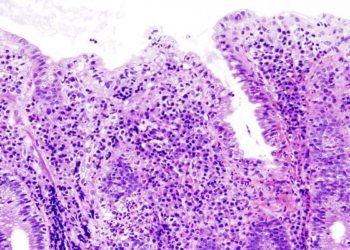
BIO 300 is an oral synthetic genistein nanosuspension which is being used as a radioprotectant in NSCLC patients being treated with chemoradiotherapy. Patients undergoing radiation therapy can suffer from radiation induced pneumonitis, and pulmonary fibrosis. Genistein acts on estrogen receptor β leading to a reduction of various inflammatory cytokines implicated in lung injury which includes TGF-β1.

RELATED REPORTS

Positive lung cancer screens frequently receive suboptimal follow-up

C-reactive protein measurements may be misleading due to large within-person variability

Age-based screening for lung cancer may be more cost-effective and improve detection compared to current screening criteria in the United States

Company History

BIO 300 was developed by Humanetics Corporation. BIO 300 is also being investigated as a potential radioprotectant in the treatment of prostate, and head and neck cancer. BIO 300 is also being trialed in the general management of inflammatory lung diseases, in particular lung injury from COVID-19 pneumonia. Humanetics Corporation also envisions BIO 300 applications for war fighters and first responders that may face threats of radiation exposure.

Further reading: https://www.sciencedirect.com/science/article/pii/S0360301623078458

©2024 2 Minute Medicine, Inc. All rights reserved. No works may be reproduced without expressed written consent from 2 Minute Medicine, Inc. Inquire about licensing here. No article should be construed as medical advice and is not intended as such by the authors or by 2 Minute Medicine, Inc.

Tags: bio 300inflammationlung cancernsclcradiation
Previous Post

#VisualAbstract: Plozasiran reduces serum triglyceride levels in patients with severe hypertriglyceridemia

Next Post

#VisualAbstract: Alectinib Improves Disease-Free Survival in ALK-Positive Non-Small-Cell Lung Cancer Compared to Platinum-Based Chemotherapy

RelatedReports

Pulmonary MRI with ultrashort echo time is comparable to pulmonary CT
Oncology

Positive lung cancer screens frequently receive suboptimal follow-up

December 15, 2025
2 Minute Medicine Rewind January 28, 2019
Chronic Disease

C-reactive protein measurements may be misleading due to large within-person variability

January 13, 2026
Severity of emphysema on pulmonary CT may predict lung cancer location
Chronic Disease

Age-based screening for lung cancer may be more cost-effective and improve detection compared to current screening criteria in the United States

January 13, 2026
Elective colectomy associated with improved survival in ulcerative colitis
Weekly Rewinds

2 Minute Medicine Rewind November 24, 2025

November 24, 2025
Next Post
#VisualAbstract: Alectinib Improves Disease-Free Survival in ALK-Positive Non-Small-Cell Lung Cancer Compared to Platinum-Based Chemotherapy

#VisualAbstract: Alectinib Improves Disease-Free Survival in ALK-Positive Non-Small-Cell Lung Cancer Compared to Platinum-Based Chemotherapy

#VisualAbstract: Addition of metronidazole is nonsuperior to conventional antibiotic prophylaxis in preventing pelvic cellulitis and pelvic abscess after total laparoscopic hysterectomy

#VisualAbstract: Addition of metronidazole is nonsuperior to conventional antibiotic prophylaxis in preventing pelvic cellulitis and pelvic abscess after total laparoscopic hysterectomy

The 2 Minute Medicine Podcast Episode 15

The 2 Minute Medicine Podcast Episode 38

2 Minute Medicine® is an award winning, physician-run, expert medical media company. Our content is curated, written and edited by practicing health professionals who have clinical and scientific expertise in their field of reporting. Our editorial management team is comprised of highly-trained MD physicians. Join numerous brands, companies, and hospitals who trust our licensed content.

Recent Reports

  • High-frequency oscillatory ventilation may reduce the incidence of bronchopulmonary dysplasia in neonatal respiratory distress syndrome
  • NeoCol trial: Neoadjuvant chemotherapy does not improve disease-free survival in patients with locally advanced colon cancer
  • Camrelizumab may be safe and effective in the management of locally advanced esophageal squamous cell carcinoma
License Content
Terms of Use | Disclaimer
Cookie Policy
Privacy Statement (EU)
Disclaimer

© 2025 2 Minute Medicine, Inc. - Physician-written medical news.

  • Specialties
    • All Specialties, All Recent Reports
    • Cardiology
    • Chronic Disease
    • Dermatology
    • Emergency
    • Endocrinology
    • Gastroenterology
    • Imaging and Intervention
    • Infectious Disease
    • Nephrology
    • Neurology
    • Obstetrics
    • Oncology
    • Ophthalmology
    • Pediatrics
    • Pharma
    • Preclinical
    • Psychiatry
    • Public Health
    • Pulmonology
    • Rheumatology
    • Surgery
  • Tools
    • EvidencePulse™
    • RVU Search
    • NPI Registry Lookup
  • Pharma
  • AI News
  • The Scan
  • Classics™
    • 2MM+ Online Access
    • Paperback and Ebook
  • Rewinds
  • Partners
    • License Content
    • Submit Press Release
    • Advertise with Us
  • Account
    • Subscribe
    • Sign-in
    • My account
No Result
View All Result

© 2025 2 Minute Medicine, Inc. - Physician-written medical news.
