• About
  • Masthead
  • License Content
  • Advertise
  • Submit Press Release
  • RSS/Email List
  • 2MM Podcast
  • Write for us
  • Contact Us
2 Minute Medicine
No Result
View All Result

No products in the cart.

SUBSCRIBE
  • About
  • Specialties
    • All Specialties, All Recent Reports
    • Cardiology
    • Chronic Disease
    • Dermatology
    • Emergency
    • Endocrinology
    • Gastroenterology
    • Imaging and Intervention
    • Infectious Disease
    • Nephrology
    • Neurology
    • Obstetrics
    • Oncology
    • Ophthalmology
    • Pediatrics
    • Pharma
    • Preclinical
    • Psychiatry
    • Public Health
    • Pulmonology
    • Rheumatology
    • Surgery
  • Tools+
    • EvidencePulse™
    • HypeCheck™
    • NPI Registry Lookup
    • RVU Search
  • Pharma
  • AI Roundup
  • The Scan+
  • Classics™+
    • 2MM+ Online Access
    • Paperback and Ebook
  • Rewinds
  • Partners
    • License Content
    • Submit Press Release
    • Advertise with Us
  • Account
    • Subscribe
    • My account
    • Cart
    • Sign-in
2 Minute Medicine
  • About
  • Specialties
    • All Specialties, All Recent Reports
    • Cardiology
    • Chronic Disease
    • Dermatology
    • Emergency
    • Endocrinology
    • Gastroenterology
    • Imaging and Intervention
    • Infectious Disease
    • Nephrology
    • Neurology
    • Obstetrics
    • Oncology
    • Ophthalmology
    • Pediatrics
    • Pharma
    • Preclinical
    • Psychiatry
    • Public Health
    • Pulmonology
    • Rheumatology
    • Surgery
  • Tools+
    • EvidencePulse™
    • HypeCheck™
    • NPI Registry Lookup
    • RVU Search
  • Pharma
  • AI Roundup
  • The Scan+
  • Classics™+
    • 2MM+ Online Access
    • Paperback and Ebook
  • Rewinds
  • Partners
    • License Content
    • Submit Press Release
    • Advertise with Us
  • Account
    • Subscribe
    • My account
    • Cart
    • Sign-in
SUBSCRIBE
2 Minute Medicine
Subscribe
EvidencePulse™ by 2 Minute Medicine 2026 evidence scan 3 reports You asked top stroke trials 2026 Synthesizing medical evidence... Top 2026 stroke trial results: OCEANIC — ischemic stroke: 6.2% vs 8.4% OPTION* — mRS 0–1: 43.6% vs 34.2% ORIENTAL* — mRS 0–2: 58.6% vs 46.6% *Higher sICH in intervention arms Participants randomizedN OCEANIC 12,327 OPTION 570 ORIENTAL 564 Ask about guidelines or landmark trials... ↑ Try EvidencePulse™ Ask the evidence.
Get the signal.
Try it now → Physician-trained medical AI by 2 Minute Medicine
Home All Specialties Chronic Disease

In utero exposure to maternal SARS-CoV-2 infection not associated with neurodevelopmental deficits at 6 months
byMolly MunsellandAlex Gipsman, MD
January 11, 2022
in Chronic Disease, Infectious Disease, Neurology, Obstetrics, Pediatrics, Public Health
Reading Time: 3 mins read
Decreased expression of nasal ACE2 may be correlated with lower prevalence of COVID-19 in children
Share on FacebookShare on Twitter

1. In a prospective cohort study of about 250 infants, infants born to mothers with COVID-19 during pregnancy had no significant neurodevelopmental differences compared to unexposed infants at 6 months old.

2. Compared to a cohort born before the COVID-19 pandemic, infants born during the pandemic had lower survey scores in several neurodevelopmental domains.

Evidence Rating Level: 2 (Good)

Study Rundown: The impact, if any, of in utero exposure to SARS-CoV-2 on pediatric outcomes such as early neurological development remains unclear. This study at a single academic center in New York City aimed to identify developmental delays in a cohort of infants whose mothers had a SARS-CoV-2 infection at any point during pregnancy via comparison to unexposed infants born both during and before the COVID-19 pandemic. 255 mothers, 114 of whom had had COVID-19 during pregnancy, completed an Ages & Stages Questionnaire (ASQ-3) about their 6 month-old infants. The pre-pandemic control group included 62 infants. Exposed and unexposed infants within the pandemic cohort did not significantly differ in overall ASQ-3 scores nor in any developmental subdomains. Disease severity and timing within pregnancy also did not significantly affect scores. However, the combined group of exposed and unexposed infants born during the pandemic scored significantly lower in the gross motor, fine motor, and personal-social subdomains than the pre-pandemic group. Overall, this study suggests no direct association between in utero COVID-19 exposure and neurodevelopmental delay, but instead points to an overall epidemiologic difference associated with the COVID-19 pandemic era. This study’s relatively small size and dependence on a survey subject to recall bias are both limitations. However, a population-wide neurodevelopmental effect related to the stresses of the pandemic is plausible and warrants further study, including examination of any relationship with factors such as birth weight and prematurity.

Click to read the study in JAMA Pediatrics

Click to read an accompanying editorial in JAMA Pediatrics

RELATED REPORTS

Lower levels of education and place of birth were associated with non-admission to the intensive care unit in Sweden during COVID-19 pandemic

2 Minute Medicine Rewind August 31, 2026

Hematologic inflammatory indices may predict prognosis in younger patients with COVID-19 but not older patients

Relevant Reading: Pregnancy and COVID-19

In-Depth [prospective cohort]: Controls were matched by infant sex, gestational age at birth, mode of delivery, and date of birth within 2 weeks. Infants born before 37 weeks gestational age were excluded. Infants in the pandemic cohort were born between March and December 2020 and the pre-pandemic cohort between November 2017 and January 2020. Maternal COVID-19 infections were identified based on polymerase chain reaction or serology test; 39 of the 114 women were asymptomatic. 5 infants in the pandemic cohort had a COVID-19 infection themselves between birth and the 6 month assessment. Analyses of covariance were used to compare infants between groups as well as within the exposed group based on factors including infection timing and severity. Mothers with SARS-CoV-2 infection differed significantly from noninfected mothers in race, ethnicity, and educational level, reflecting the disparate demographics of the pandemic. Models adjusted for maternal demographics. Exclusion of infants with asymptomatically infected mothers, preterm birth, or neonatal intensive care unit (NICU) admission in sensitivity analyses did not lead to significant differences between exposed and unexposed groups. Out of total scores of 60 on each subdomain, gross motor scores were 5.63 points lower, fine motor 6.61 points lower, and personal-social 3.71 points lower in the pandemic compared to pre-pandemic group, all with p<0.001.

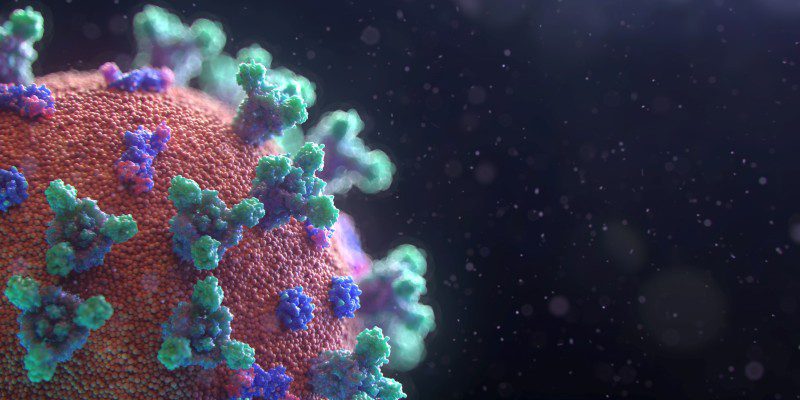
Image: PD

©2022 2 Minute Medicine, Inc. All rights reserved. No works may be reproduced without expressed written consent from 2 Minute Medicine, Inc. Inquire about licensing here. No article should be construed as medical advice and is not intended as such by the authors or by 2 Minute Medicine, Inc.
Tags: COVID-19neurodevelopment
Previous Post

#VisualAbstract: Acral lentiginous melanoma may be associated with higher rates of sentinel lymph node positivity compared to other melanoma subtypes

Next Post

Drug overdose an important cause of death amongst people experiencing homelessness

RelatedReports

Novel coronavirus identified from patients with pneumonia in Wuhan, China
Emergency

Lower levels of education and place of birth were associated with non-admission to the intensive care unit in Sweden during COVID-19 pandemic

September 1, 2026
Rivaroxaban likely reduces risk of recurrent stroke in specific subgroup of patients with embolic stroke of undetermined source
Weekly Rewinds

2 Minute Medicine Rewind August 31, 2026

August 31, 2026
Novel coronavirus identified from patients with pneumonia in Wuhan, China
Chronic Disease

Hematologic inflammatory indices may predict prognosis in younger patients with COVID-19 but not older patients

August 4, 2026
Elagolix with add-back hormone therapy effective in reducing fibroid-associated menstrual bleeding
Weekly Rewinds

2 Minute Medicine Rewind August 3rd, 2026

August 3, 2026
Next Post
Social networks play key roles in parental vaccination decisions

Drug overdose an important cause of death amongst people experiencing homelessness

Tirzepatide is superior to insulin glargine for management of type 2 diabetes and elevated cardiovascular risk

#VisualAbstract: Arterial hyperoxia associated with mortality in critically ill children admitted to the pediatric intensive care unit

#VisualAbstract: Drug-eluting stents reduced in-stent restenosis risk for high-grade intracranial atherosclerotic stenosis lesions compared to bare-metal stents

EvidencePulse™ by 2 Minute Medicine 2026 evidence scan 3 reports You asked top stroke trials 2026 Synthesizing medical evidence... Top 2026 stroke trial results: OCEANIC — ischemic stroke: 6.2% vs 8.4% OPTION* — mRS 0–1: 43.6% vs 34.2% ORIENTAL* — mRS 0–2: 58.6% vs 46.6% *Higher sICH in intervention arms Participants randomizedN OCEANIC 12,327 OPTION 570 ORIENTAL 564 Ask about guidelines or landmark trials... ↑ Try EvidencePulse™ Ask the evidence.
Get the signal.
Try it now → Physician-trained medical AI by 2 Minute Medicine

2MM+ All Access

Full details →
$4.99 /month

5-day free trial · cancel anytime

  • ✓100+ physician-written reports
  • ✓EvidencePulse™ + HypeCheck™
  • ✓Ad-free reading + newsletters
Start 5-day free trial

Then $4.99/month. Manage renewal in your account.

2 Minute Medicine® is an award winning, physician-run, expert medical media company. Our content is curated, written and edited by practicing health professionals who have clinical and scientific expertise in their field of reporting. Our editorial management team is comprised of highly-trained MD physicians. Join numerous brands, companies, and hospitals who trust our licensed content.

Recent Reports

  • Nirsevimab (Beyfortus) may reduce severe respiratory syncytial virus infections among infants
  • An artificial intelligence (AI) tool achieved high diagnostic accuracy for the identification and prediction of sepsis
  • Use of long-acting broadly neutralizing antibodies may delay human immunodeficiency virus (HIV) rebound following discontinuation of antiretroviral therapy
License Content
Terms of Use | Disclaimer
Cookie Policy
Cleantalk Pixel
2MM+ All Access Full details →

The medical literature, distilled daily.

Monthly plan selected: $4.99 /month.

$4.99/month

5-day free trial · cancel anytime

Start 5-day free trial

Then $4.99/month. Manage renewal in your account.

Yearly plan selected: $49.90 /year.

$49.90/year

2 months free · only $4.16/month

Start 5-day free trial

Then $49.90/year. Manage renewal in your account.

Membership benefits

  • ✓100+ physician-written reports
  • ✓AI EvidencePulse™ + HypeCheck™
  • ✓Ad-free reading + newsletters

Already a member? Sign in

  • About
  • Specialties
    • All Specialties, All Recent Reports
    • Cardiology
    • Chronic Disease
    • Dermatology
    • Emergency
    • Endocrinology
    • Gastroenterology
    • Imaging and Intervention
    • Infectious Disease
    • Nephrology
    • Neurology
    • Obstetrics
    • Oncology
    • Ophthalmology
    • Pediatrics
    • Pharma
    • Preclinical
    • Psychiatry
    • Public Health
    • Pulmonology
    • Rheumatology
    • Surgery
  • Tools
    • EvidencePulse™
    • HypeCheck™
    • NPI Registry Lookup
    • RVU Search
  • Pharma
  • AI Roundup
  • The Scan
  • Classics™
    • 2MM+ Online Access
    • Paperback and Ebook
  • Rewinds
  • Partners
    • License Content
    • Submit Press Release
    • Advertise with Us
  • Account
    • Subscribe
    • My account
    • Cart
    • Sign-in
No Result
View All Result

© 2026 2 Minute Medicine, Inc. - Physician-written medical news.