• About
  • Masthead
  • License Content
  • Advertise
  • Submit Press Release
  • RSS/Email List
  • 2MM Podcast
  • Write for us
  • Contact Us
2 Minute Medicine
No Result
View All Result

No products in the cart.

SUBSCRIBE
  • Specialties
    • All Specialties, All Recent Reports
    • Cardiology
    • Chronic Disease
    • Dermatology
    • Emergency
    • Endocrinology
    • Gastroenterology
    • Imaging and Intervention
    • Infectious Disease
    • Nephrology
    • Neurology
    • Obstetrics
    • Oncology
    • Ophthalmology
    • Pediatrics
    • Pharma
    • Preclinical
    • Psychiatry
    • Public Health
    • Pulmonology
    • Rheumatology
    • Surgery
  • Tools
    • EvidencePulse™
    • RVU Search
    • NPI Registry Lookup
  • Pharma
  • AI News
  • The Scan+
  • Classics™+
    • 2MM+ Online Access
    • Paperback and Ebook
  • Rewinds
  • Partners
    • License Content
    • Submit Press Release
    • Advertise with Us
  • Account
    • Subscribe
    • Sign-in
    • My account
2 Minute Medicine
  • Specialties
    • All Specialties, All Recent Reports
    • Cardiology
    • Chronic Disease
    • Dermatology
    • Emergency
    • Endocrinology
    • Gastroenterology
    • Imaging and Intervention
    • Infectious Disease
    • Nephrology
    • Neurology
    • Obstetrics
    • Oncology
    • Ophthalmology
    • Pediatrics
    • Pharma
    • Preclinical
    • Psychiatry
    • Public Health
    • Pulmonology
    • Rheumatology
    • Surgery
  • Tools
    • EvidencePulse™
    • RVU Search
    • NPI Registry Lookup
  • Pharma
  • AI News
  • The Scan+
  • Classics™+
    • 2MM+ Online Access
    • Paperback and Ebook
  • Rewinds
  • Partners
    • License Content
    • Submit Press Release
    • Advertise with Us
  • Account
    • Subscribe
    • Sign-in
    • My account
SUBSCRIBE
2 Minute Medicine
Subscribe
Home All Specialties Cardiology

Intensive blood pressure lowering favored to not induce kidney disease, contrary to prior research
byCaitlyn HuiandDeepti Shroff
October 25, 2018
in Cardiology, Chronic Disease, Nephrology
Reading Time: 2 mins read
0
Share on FacebookShare on Twitter

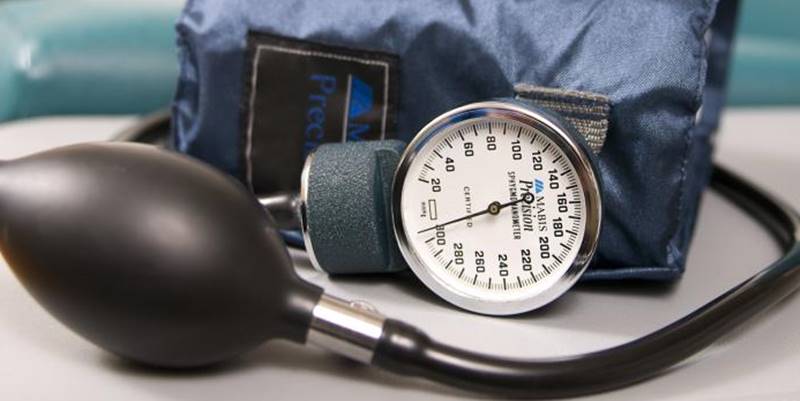
1. Patients managed with intensive blood pressure reduction were found to have significantly greater decreases in kidney damage biomarkers compared to standard blood pressure management.

2. Higher levels of kidney damage biomarkers at baseline were associated with greater odds of developing chronic kidney disease.

Evidence Rating Level: 2 (Good)

Study Rundown: Systolic blood pressure (SBP) management is a well-established method of improving cardiovascular health. The Systolic Blood Pressure Intervention Trial (SPRINT) clinical trial demonstrated that intensive SBP lowering (target <120mmHg) reduced rates of major cardiovascular events and mortality. This study measured serum creatinine levels and demonstrated that intensive BP lowering was associated with a 3-fold increase in incidence of CKD. Considering this association has important implications for treatment of cardiovascular disease, the authors of this study aimed to determine whether there is truly an increased incidence of chronic kidney disease (CKD) following intensive SBP reduction. Specifically, they compared changes in kidney damage biomarkers of patients with and without CKD, as well as those with intensive versus standard SBP management. Generally, they observed that intensive SBP lowering might not actually induce true kidney disease. Limitations of the study included follow up, where kidney damage biomarkers were only measured at baseline and 1 year. Study results may also not be generalizable to all patients with hypertension, such as those that were not included in the SPRINT trial.

Click to read the study in Annals of Internal Medicine

Relevant Reading: Management of hypertension in CKD: beyond the guidelines

RELATED REPORTS

A planetary health diet is associated with a lower risk of developing chronic kidney disease

2 Minute Medicine Rewind February 2, 2026

Corstasis’ Enbumyst nasal spray approved for edema

In-Depth [case-control study]: The authors of this study conducted a nested case-control study within the previous SPRINT trial, which assessed impacts of SBP interventions on cardiovascular health and other outcomes. The study participants included patients who developed incident CKD during trial follow up (n = 162) and matched control participants. Study outcomes then included 9 urinary biomarkers of kidney damage, which were measured in patients at baseline and at 1 year after the SBP intervention. Results were analyzed via linear mixed-effects models. Generally, the odds ratio of developing CKD was found to be higher in patients with elevated baseline concentrations of urinary albumin (adjusted odds ratio per doubling: 1.50 [95% CI, 1.14 to 1.98]), as well as two other kidney damage biomarkers, kidney injury molecule-1 and monocyte chemoattractant protein-1. Furthermore, incident CKD with intensive SBP lowering was  associated with decreases in kidney damage biomarkers.

Image: PD

©2018 2 Minute Medicine, Inc. All rights reserved. No works may be reproduced without expressed written consent from 2 Minute Medicine, Inc. Inquire about licensing here. No article should be construed as medical advice and is not intended as such by the authors or by 2 Minute Medicine, Inc.

Tags: blood pressurechronic kidney disease
Previous Post

Ultrasound guidance may improve rates of successful central venous cannulation

Next Post

Algorithm safely rules out pulmonary embolism in pregnant women

RelatedReports

FDA-approved weight loss medications associated with weight loss at one year
Chronic Disease

A planetary health diet is associated with a lower risk of developing chronic kidney disease

February 3, 2026
Assessment of Combined Nivolumab and Bevacizumab in Relapsed Ovarian Cancer: A Phase 2 Clinical Trial
Weekly Rewinds

2 Minute Medicine Rewind February 2, 2026

February 2, 2026
Variation noted across pre- and post-marketing studies for FDA approved devices
Pharma

Corstasis’ Enbumyst nasal spray approved for edema

September 18, 2025
Fish oil and aspirin did not reduce arteriovenous fistula failure: The FAVOURED trail
Cardiology

Spironolactone does not reduce cardiovascular events in patients receiving maintenance dialysis

September 17, 2025
Next Post
High rates of over-diagnosis of pulmonary embolism by CT angiography

Algorithm safely rules out pulmonary embolism in pregnant women

Cardiac biomarkers unnecessarily ordered in emergency departments

Pediatric emergency department visits for homelessness increase after shelter policy change

Using HEART score to risk stratify patients with chest pain is safe but underutilized in the ED

Presence of antiphospholipid antibodies found to be an important independent risk factor for myocardial infarction

2 Minute Medicine® is an award winning, physician-run, expert medical media company. Our content is curated, written and edited by practicing health professionals who have clinical and scientific expertise in their field of reporting. Our editorial management team is comprised of highly-trained MD physicians. Join numerous brands, companies, and hospitals who trust our licensed content.

Recent Reports

  • Adjuvanted influenza vaccines and high-dose influenza vaccines may have similar effectiveness in adult patients
  • Ambient artificial intelligence scribes reduce clinician documentation time by 16 minutes per encounter
  • Resuscitative endovascular balloon occlusion of the aorta may not improve outcomes in adults with non-traumatic out-of-hospital cardiac arrest
License Content
Terms of Use | Disclaimer
Cookie Policy
Privacy Statement (EU)
Disclaimer

The Classics in Medicine Paperback Released!

Over the past 30 years, the transition from print to digital media has contributed to an exponential increase in medical literature. In response, 2 Minute Medicine presents 160+ authoritative, physician-written summaries of the most cited landmark trials in medicine.

amazon-logo_blackGet-it-on-iBooks-badge

Click anywhere to close this announcement

  • Specialties
    • All Specialties, All Recent Reports
    • Cardiology
    • Chronic Disease
    • Dermatology
    • Emergency
    • Endocrinology
    • Gastroenterology
    • Imaging and Intervention
    • Infectious Disease
    • Nephrology
    • Neurology
    • Obstetrics
    • Oncology
    • Ophthalmology
    • Pediatrics
    • Pharma
    • Preclinical
    • Psychiatry
    • Public Health
    • Pulmonology
    • Rheumatology
    • Surgery
  • Tools
    • EvidencePulse™
    • RVU Search
    • NPI Registry Lookup
  • Pharma
  • AI News
  • The Scan
  • Classics™
    • 2MM+ Online Access
    • Paperback and Ebook
  • Rewinds
  • Partners
    • License Content
    • Submit Press Release
    • Advertise with Us
  • Account
    • Subscribe
    • Sign-in
    • My account
No Result
View All Result

© 2026 2 Minute Medicine, Inc. - Physician-written medical news.