2 Minute Medicine Rewind February 2, 2026
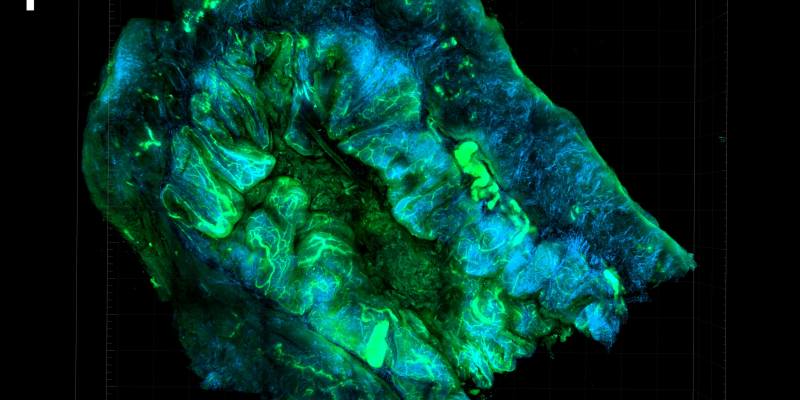
1. This cohort study found that the IOTA ADNEX ultrasound model at a 10% risk threshold detected more ovarian cancers in premenopausal women than the currently used Risk of Malignancy Index, making it a better test for triaging patients in secondary care.
Evidence Rating Level: 1 (Excellent)
Ovarian cancer is difficult to diagnose early, especially in premenopausal women, since symptoms are vague, and CA-125 can be elevated for benign reasons. Many women get diagnosed at an advanced stage, and in the United Kingdom, a large proportion present as emergencies, which is associated with worse survival. Accurate preoperative triage is crucial so that high-risk patients are referred to specialist cancer centres for appropriate first surgery, which improves outcomes. Current pathways rely on CA-125, ultrasound, and the Risk of Malignancy Index (RMI). However, these tests have important limitations and can miss early cancers or lead to unnecessary surgery. Evidence comparing newer models has been limited, particularly in premenopausal women, where fertility preservation and the lower cancer prevalence make the balance between detecting cancer and avoiding overtreatment more delicate. The ROCkeTS study was designed to address this gap by directly comparing several modern ultrasound- and biomarker-based risk models against RMI in women referred to secondary care with suspected ovarian cancer. The study’s main outcome measured how accurately tests identified primary invasive ovarian-type cancers versus benign or normal findings, while the secondary outcome used a broader definition of malignancy, which also included metastasis and borderline tumours. Out of 1,211 premenopausal women, 88 (7.3%) were diagnosed with primary ovarian cancer. Among these individuals, 5.7% (49 of 857) were diagnosed before June 2018, and 11.0% (39 of 354) after recruitment. Using the current standard RMI 1 (threshold 250), sensitivity was 42.6% and specificity 96.5%, meaning it missed more than half of cancers but produced few false positives. Other models detected more cancers; however, there were also more false positives. Sensitivity was 55.1% for CA-125, 79.2% for ROMA, 89.1% for IOTA ADNEX (10%), 83.0% for IOTA Simple Rules Risk (10%), and 75.0% for IOTA Simple Rules. Specificity dropped to 89.0% (CA-125), 73.1% (ROMA), 75.1% (ADNEX), 76.0% (Simple Rules Risk), while Simple Rules remained high at 95.2% but was inconclusive in 120 women. Overall, IOTA ADNEX at a 10% threshold is more effective at detecting ovarian cancers than RMI.
1. Adding compartment-specific knee bracing with an adherence support intervention to standard advice, information and exercise (AIE) provides a small but meaningful improvement in patient-reported outcomes in adults with knee osteoarthritis.
Evidence Rating Level: 1 (Excellent)
Painful knee osteoarthritis, affecting 365 million adults, presents a major challenge to health. Primary knee arthroplasty, though effective, is still quite invasive, with preventative and non-surgical interventions being explored. Knee bracing is one such treatment, contradicting recommendations and limited evidence from high-quality trials restrict its proliferation. The Provision of Braces for Patients with Knee Osteoarthritis (PROP OA) was designed to be a large, randomized trial examining whether the addition of bracing was better than advice, information, and exercise alone. 466 participants were enrolled in the study, aged 45 and up, experiencing moderate to severe knee pain during weight-bearing activity, with the Knee Osteoarthritis Outcomes Score (KOOS)-5 being analyzed at 3, 6 and 12 months. Greater improvements in KOOS-5 scores were seen in the knee brace addition group at 6 months (adjusted mean difference 3.39, 95% CI 0.96 to 5.82; effect size 0.24), with similar findings at 3 months (adjusted mean difference 3.67, 95% CI 1.47 to 5.87; effect size 0.26). However, at 12 months, the results were no longer statistically significant (adjusted mean difference 2.67, 95% CI −0.24 to 5.57; effect size 0.19). Some adverse events experienced included skin irritation, soreness and blisters. Another factor to consider was the additional time with physiotherapists in the group with brace intervention. Overall, while some small improvements were seen at 3 and 6 months with the addition of a knee brace to advice, information and exercise to the group without a brace, by 12 months the results were no longer significant.
Long-Term Neurodevelopmental Outcomes After Forceps, Vacuum, and Second-Stage Cesarean Delivery
1. Most second-stage delivery modes, including operative vaginal delivery and second-stage cesarean delivery, are associated with similar neurodevelopmental outcomes in children. However, sequential instrument delivery is associated with a higher risk of attention deficit/hyperactivity disorder, and vacuum delivery is associated with a higher risk of intellectual disability.
Evidence Rating Level: 2 (Good)
Some of the most common neurodevelopmental disorders include attention deficit/hyperactivity disorder (ADHD) (5%-7%), autism spectrum disorder (ASD) (1%-2%) and intellectual disability (ID) (0.4%-1%), influenced by genetic and non-genetic factors. Previous research has suggested that children born by cesarean or operative vaginal delivery may have a higher risk of ADHD, ASD, and ID compared to spontaneous vaginal delivery (SVD). However, most past studies have relied on broad comparisons between cesarean sections and vaginal deliveries, which can be misleading due to confounding factors. To address this gap, this study aimed to evaluate how the second-stage delivery mode relates to the development of ADHD, ASD, and ID. This retrospective cohort study assessed new diagnoses of ADHD, ASD, and ID from one year of age until the conclusion of the study. A total of 504,380 children (44,202 [8.8%] with a maternal history of neurodevelopmental or psychiatric disorders) were included. Of these, 407,792 (80.9%) were delivered by SVD, 46,493 (9.2%) by vacuum, 23,140 (4.6%) by forceps, 3,009 (0.6%) by sequential instrument, and 23,946 (4.7%) by second-stage cesarean delivery (SSCD). Over the study period, the incidence of ADHD was 6.6 per 1000 person-years (95% CI, 6.5-6.7), with 7,693 cases and a median follow-up of 11.6 years (IQR, 7.2-16.8). The incidence of ASD was 1.8 per 1000 person-years (95% CI, 1.7-1.8) with 2,131 cases and a median follow-up of 12.5 years (IQR, 7.6-17.4). Lastly, the incidence of ID was 0.3 per 1000 person-years (95% CI, 0.2-0.3) with 323 cases and a median follow-up of 12.6 years (IQR, 7.8-17.5). Compared with SSCD, children born by sequential instrument delivery had a 13% higher rate of ADHD (7.9 [95% CI, 7.1-8.8] vs 6.6 [95% CI, 6.3-6.9] per 1000 person-years; adjusted hazard ratio [AHR], 1.13 [95% CI, 1.00-1.28]), and those born by vacuum delivery had a 53% higher rate of ID (0.3 [95% CI, 0.3-0.4] vs 0.2 [95% CI, 0.1-0.3] per 1000 person-years; AHR, 1.53 [95% CI, 1.12-2.10]). Overall, second-stage cesarean and operative vaginal deliveries generally have comparable neurodevelopmental outcomes, though certain interventions, such as vacuum delivery and sequential instruments, may increase the risk of ADHD and ID, highlighting the need for future research on delivery mode.
The EAT–Lancet planetary health diet and risk of incident chronic kidney disease
1. Adherence to the EAT-Lancet planetary health diet is associated with a lower risk of developing chronic kidney disease (CKD), which is partly mediated by specific metabolic and proteomic pathways.
Evidence Rating Level: 1 (Excellent)
Chronic kidney disease (CKD) is widespread, affecting 10% of adults globally, with diet playing a key role in reducing the disease’s burden. The EAT-Lancet planetary health diet, constructed to promote health and sustainability, has been unexplored in terms of CKD effects. The diet has aspects shown to reduce CKD risk in previous studies, but its specific relationship has not been studied. This study aimed to explore the impact of the EAT-Lancet diet on the incidence of CKD, the associations of proteomic and metabolomic signatures with CKD risk and the potential mediating effects of the diet on CKD. The study was based on data from the UK Biobank, consisting of 500,000 participants aged 40 to 69 in Britain, of whom 179,508 were enrolled. During follow-up, 4819 (2.7%) developed CKD. In the models used for evaluating EAT-Lancet diet, higher adherence showed lower risk of CKD development (Yi-Xiang (adjusted HR 0.94, 95% CI 0.91 to 0.97), Knuppel (adjusted HR 0.94, 95% CI 0.92 to 0.97), Stubbendorff (adjusted HR 0.91, 95% CI 0.88 to 0.94), and Kesse-Guyot (adjusted HR 0.92, 95% CI 0.90 to 0.95)). Linear regression helped identify 146 metabolites with higher prevalence from the EAT-Lancet diet, further refined to 122 key metabolites with significant correlation (r = 0.2,p < 0.001). Similarly, 420 proteins were initially identified to be significantly associated with the diet, refining to 143 key associated proteins (0.3, p < 0.001). Both the metabolic and proteomic signature scores showed inverse linear relationships with CKD risk, with each standard deviation increase in signature lowering CKD risk by 11% (adjusted HR 0.89, 95% CI 0.85 to 0.93) and 20% (adjusted HR 0.80, 95% CI 0.73 to 0.89), respectively. Overall, the EAT-Lancet diet was shown to reduce CKD risk, emphasizing the importance of diet in CKD prevention and mitigation.
1. In this randomized clinical trial, acupuncture effectively reduces pain and disability in migraine without aura, and baseline whole-brain functional connectivity can predict which patients are most likely to benefit.
Evidence Rating Level: 1 (Excellent)
Migraine without aura (MWOA) is common and can significantly reduce quality of life, yet many patients do not have an adequate response to standard medications. Acupuncture is a safe, evidence-based alternative that modulates pain-processing brain networks, but it is unclear which patients will benefit most. Connectome-based predictive modelling (CPM), a whole-brain, data-driven neuroimaging approach, may identify brain connectivity patterns that predict acupuncture response. The goal of this study was to assess the clinical efficacy of acupuncture for MWOA and to use CPM to uncover neural signatures associated with treatment outcomes, supporting personalized therapy. The primary outcome is change from baseline in monthly migraine days (MMDs) over 4 weeks, while the secondary outcomes included monthly headache days (MHDs), acute medication use, pain intensity (VAS), disability (HIT-6), and quality of life (MSQ). This randomized clinical trial (RCT) enrolled eligible adults and assigned them 1:1 to receive either 12 sessions of real acupuncture targeting specific acupoints or sham acupuncture over 4 weeks. The 120 participants were split evenly between real and sham acupuncture and assessed, with improvements from baseline MMDs seen in the real group (median difference, −1.0; 95% CI, −2.0 to 0; P = .02). Significant differences were also seen in MHDs, acute medication use days, VAS score, HIT-6 and MSQ scores. Additionally, CPM showed differing neural signatures, with positive connectivity showing HIT-6 improvements (r = 0.29, P = .02), and negative connectivity showing VAS score reduction (r = 0.23, P = .04). Overall, acupuncture is effective for pain relief and functional improvement in MWOA.
Image: PD
©2026 2 Minute Medicine, Inc. All rights reserved. No works may be reproduced without expressed written consent from 2 Minute Medicine, Inc. Inquire about licensing here. No article should be construed as medical advice and is not intended as such by the authors or by 2 Minute Medicine, Inc.