• About
  • Masthead
  • License Content
  • Advertise
  • Submit Press Release
  • RSS/Email List
  • 2MM Podcast
  • Write for us
  • Contact Us
2 Minute Medicine
No Result
View All Result

No products in the cart.

SUBSCRIBE
  • Specialties
    • All Specialties, All Recent Reports
    • Cardiology
    • Chronic Disease
    • Dermatology
    • Emergency
    • Endocrinology
    • Gastroenterology
    • Imaging and Intervention
    • Infectious Disease
    • Nephrology
    • Neurology
    • Obstetrics
    • Oncology
    • Ophthalmology
    • Pediatrics
    • Pharma
    • Preclinical
    • Psychiatry
    • Public Health
    • Pulmonology
    • Rheumatology
    • Surgery
  • Tools
    • EvidencePulse™
    • RVU Search
    • NPI Registry Lookup
  • Pharma
  • AI News
  • The Scan+
  • Classics™+
    • 2MM+ Online Access
    • Paperback and Ebook
  • Rewinds
  • Partners
    • License Content
    • Submit Press Release
    • Advertise with Us
  • Account
    • Subscribe
    • Sign-in
    • My account
2 Minute Medicine
  • Specialties
    • All Specialties, All Recent Reports
    • Cardiology
    • Chronic Disease
    • Dermatology
    • Emergency
    • Endocrinology
    • Gastroenterology
    • Imaging and Intervention
    • Infectious Disease
    • Nephrology
    • Neurology
    • Obstetrics
    • Oncology
    • Ophthalmology
    • Pediatrics
    • Pharma
    • Preclinical
    • Psychiatry
    • Public Health
    • Pulmonology
    • Rheumatology
    • Surgery
  • Tools
    • EvidencePulse™
    • RVU Search
    • NPI Registry Lookup
  • Pharma
  • AI News
  • The Scan+
  • Classics™+
    • 2MM+ Online Access
    • Paperback and Ebook
  • Rewinds
  • Partners
    • License Content
    • Submit Press Release
    • Advertise with Us
  • Account
    • Subscribe
    • Sign-in
    • My account
SUBSCRIBE
2 Minute Medicine
Subscribe
Home All Specialties Orthopedic Surgery

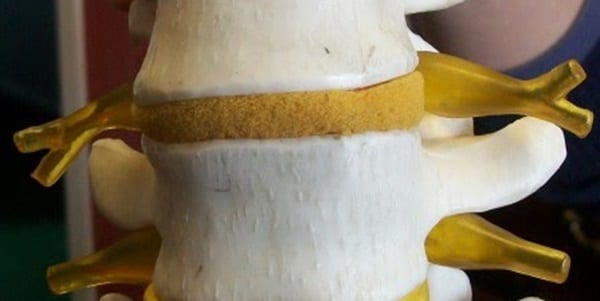
Multimodal prehabilitation improves postoperative outcomes after spinal fusion surgery 
byAdrian WongandMichaela Dowling
June 15, 2026
in Orthopedic Surgery, Surgery
Reading Time: 3 mins read
0
Share on FacebookShare on Twitter

1. In this randomized clinical trial, a multimodal prehabilitation program for older adults undergoing spinal fusion surgery was associated with a reduced risk of postoperative complications.

2. Patients who received prehabilitation also had shorter hospital stays, although those in the control group demonstrated better physical function at 90-day follow-up.

Evidence Rating Level: 1 (Excellent)

Study Rundown: Decompression with fusion is a commonly performed procedure to relieve neural compression while preserving spinal stability in patients with degenerative spinal disease. However, compared with other treatment strategies, it is associated with higher postoperative complication rates and greater healthcare costs, particularly among adults aged 75 years and older, who are more likely to be frail. Although Enhanced Recovery After Surgery (ERAS) protocols have substantially improved perioperative care, frailty and functional decline continue to contribute to adverse postoperative outcomes in older patients. This study evaluated the effect of a multimodal prehabilitation program on 90-day postoperative complications among older adults undergoing spinal fusion surgery within an ERAS pathway in China. Compared with patients receiving ERAS care alone, those in the prehabilitation group experienced fewer postoperative complications and demonstrated a significantly lower risk of complications after adjustment for stratification factors and potential confounders. In addition, patients who underwent prehabilitation had shorter hospital stays, suggesting improved postoperative recovery. Unexpectedly, at follow-up, patients in the control group exhibited greater hand-grip strength and faster 6-meter walking speed than those in the prehabilitation group. Subgroup analyses indicated that the benefits of prehabilitation were more pronounced among women, patients with only secondary education, and those undergoing lumbar fusion procedures. Several limitations should be considered when interpreting these findings, including the small sample size, lack of blinding, and potential differences in healthcare practices in China compared with other countries, particularly regarding hospitalization duration. Nevertheless, the results suggest that multimodal prehabilitation may improve postoperative outcomes following spinal fusion surgery. 

Click to read this study in AIM

Relevant Reading: Effect of Multimodal Prehabilitation on Reducing Postoperative Complications and Enhancing Functional Capacity Following Colorectal Cancer Surgery

RELATED REPORTS

A robotic approach for ventral hernia repair may improve postoperative outcomes

Early enteral nutrition reduces complications after pancreatoduodenectomy in high nutritional risk patients

Repetitive transcranial magnetic stimulation may reduce the incidence of chronic postsurgical pain after thoracoscopic surgery

In-Depth [randomized controlled trial]: This randomized clinical trial evaluated whether a 4-week multimodal prehabilitation program could reduce 90-day postoperative complications in older adults undergoing spinal fusion surgery within an Enhanced Recovery After Surgery (ERAS) pathway. Patients aged 75 years or older scheduled for elective spinal fusion at three tertiary hospitals in China were randomized to receive either prehabilitation plus ERAS care or ERAS care alone. The primary outcome was the occurrence of any postoperative complication within 90 days. Secondary outcomes included pain, disability, health-related quality of life, physical function, length of hospital stay, discharge destination, and unplanned readmissions. Of 312 patients recruited, 164 were randomized equally between groups. After five surgery cancellations, 159 patients were included in the final analysis (prehabilitation, n = 79; control, n = 80). The mean age was 78.7 years, and 59% were women. Within 90 days of surgery, 74.7% of patients in the prehabilitation group experienced at least one complication compared with 91.2% in the control group. After adjustment for stratification factors and confounders, prehabilitation remained associated with a lower risk of complications (risk ratio [RR], 0.80; 95% confidence interval [CI], 0.67–0.95), corresponding to an absolute risk reduction of 18.0% (95% CI, 9.0%-27.0%). The Comprehensive Complication Index was also lower in the prehabilitation group (adjusted mean difference [MD], 9.8; 95% CI, -14.1 to -5.5). Prehabilitation was associated with shorter total hospital stay (median 13 vs. 14.5 days; adjusted MD, -1.5 days) and primary postoperative stay (12 vs. 14 days; adjusted MD, -1.9 days). At 90-day follow-up, however, the control group had greater handgrip strength (adjusted MD, 1.2 kg) and faster 6-meter walking speed (adjusted MD, 0.09 m/s). No significant differences were observed in pain, disability, quality of life, discharge destination, satisfaction, or unplanned readmissions. Subgroup analyses suggested greater benefits among women (RR, 0.74), patients with secondary education (RR, 0.68), and those undergoing lumbar fusion (RR, 0.81). Overall, prehabilitation combined with ERAS reduced postoperative complications and shortened hospitalization compared with ERAS alone.

Image: PD

©2026 2 Minute Medicine, Inc. All rights reserved. No works may be reproduced without expressed written consent from 2 Minute Medicine, Inc. Inquire about licensing here. No article should be construed as medical advice and is not intended as such by the authors or by 2 Minute Medicine, Inc.
Tags: degenerative diseaseERASPostoperative complicationsspinal fusionspinal surgeryspine surgery
Previous Post

2MM: AI Roundup: Food and Drug Administration reviews liver injury prediction tool, Joint Commission launches healthcare artificial intelligence certification, governance playbooks aim to standardize adoption, and pediatric hospitals bring generative tools to the frontline

Next Post

Recombinant Zoster Vaccination May Reduce Dementia Risk in Older Adults

RelatedReports

Single-site robotic cholecystectomy is safe, but technically challenging
Gastroenterology

A robotic approach for ventral hernia repair may improve postoperative outcomes

May 4, 2026
The TARGET: Energy density of enteral nutrition not associated with mortality
Surgery

Early enteral nutrition reduces complications after pancreatoduodenectomy in high nutritional risk patients

April 30, 2026
Brain lesions on MRI linked with subsequent increased stroke risk
Imaging and Intervention

Repetitive transcranial magnetic stimulation may reduce the incidence of chronic postsurgical pain after thoracoscopic surgery

April 14, 2026
Survival greater in cervical cancer patients undergoing abdominal hysterectomy compared to minimally invasive techniques: the LACC trial
Imaging and Intervention

Sivelestat may reduce the risk of acute respiratory distress syndrome in adults undergoing cardiac surgery

March 17, 2026
Next Post
Cardiovascular risk factors related to brain volume and associated dementia

Recombinant Zoster Vaccination May Reduce Dementia Risk in Older Adults

American College of Physicians releases principles to guide patient partnership in health care

Food and Drug Administration reviews model for predicting drug related liver injury

Natural language processing may automate data extraction from radiologic reports

Hospitals face a new test of artificial intelligence governance

2 Minute Medicine® is an award winning, physician-run, expert medical media company. Our content is curated, written and edited by practicing health professionals who have clinical and scientific expertise in their field of reporting. Our editorial management team is comprised of highly-trained MD physicians. Join numerous brands, companies, and hospitals who trust our licensed content.

Recent Reports

  • Semaglutide (Ozempic) raises questions about mood and nonresponse
  • Cruise ship hantavirus outbreak turns into a global contact tracing test
  • Celebrity body scans are colliding with radiology evidence
License Content
Terms of Use | Disclaimer
Cookie Policy
Privacy Statement (EU)
Disclaimer
  • Specialties
    • All Specialties, All Recent Reports
    • Cardiology
    • Chronic Disease
    • Dermatology
    • Emergency
    • Endocrinology
    • Gastroenterology
    • Imaging and Intervention
    • Infectious Disease
    • Nephrology
    • Neurology
    • Obstetrics
    • Oncology
    • Ophthalmology
    • Pediatrics
    • Pharma
    • Preclinical
    • Psychiatry
    • Public Health
    • Pulmonology
    • Rheumatology
    • Surgery
  • Tools
    • EvidencePulse™
    • RVU Search
    • NPI Registry Lookup
  • Pharma
  • AI News
  • The Scan
  • Classics™
    • 2MM+ Online Access
    • Paperback and Ebook
  • Rewinds
  • Partners
    • License Content
    • Submit Press Release
    • Advertise with Us
  • Account
    • Subscribe
    • Sign-in
    • My account
No Result
View All Result

© 2026 2 Minute Medicine, Inc. - Physician-written medical news.