• About
  • Masthead
  • License Content
  • Advertise
  • Submit Press Release
  • RSS/Email List
  • 2MM Podcast
  • Write for us
  • Contact Us
2 Minute Medicine
No Result
View All Result

No products in the cart.

Sign in
SUBSCRIBE
  • About
  • Specialties
    • All Specialties, All Recent Reports
    • Cardiology
    • Chronic Disease
    • Dermatology
    • Emergency
    • Endocrinology
    • Gastroenterology
    • Imaging and Intervention
    • Infectious Disease
    • Nephrology
    • Neurology
    • Obstetrics
    • Oncology
    • Ophthalmology
    • Pediatrics
    • Pharma
    • Preclinical
    • Psychiatry
    • Public Health
    • Pulmonology
    • Rheumatology
    • Surgery
  • Tools+
    • EvidencePulse™
    • HypeCheck™
    • NPI Registry Lookup
    • RVU Search
  • Pharma
  • AI Roundup
  • The Scan+
  • Classics™+
    • 2MM+ Online Access
    • Paperback and Ebook
  • Rewinds
  • Partners
    • License Content
    • Advertise with Us
2 Minute Medicine
  • About
  • Specialties
    • All Specialties, All Recent Reports
    • Cardiology
    • Chronic Disease
    • Dermatology
    • Emergency
    • Endocrinology
    • Gastroenterology
    • Imaging and Intervention
    • Infectious Disease
    • Nephrology
    • Neurology
    • Obstetrics
    • Oncology
    • Ophthalmology
    • Pediatrics
    • Pharma
    • Preclinical
    • Psychiatry
    • Public Health
    • Pulmonology
    • Rheumatology
    • Surgery
  • Tools+
    • EvidencePulse™
    • HypeCheck™
    • NPI Registry Lookup
    • RVU Search
  • Pharma
  • AI Roundup
  • The Scan+
  • Classics™+
    • 2MM+ Online Access
    • Paperback and Ebook
  • Rewinds
  • Partners
    • License Content
    • Advertise with Us
Sign in
SUBSCRIBE
2 Minute Medicine
Sign in
Subscribe
EvidencePulse™ by 2 Minute Medicine 2026 evidence scan 3 reports You asked top stroke trials 2026 Synthesizing medical evidence... Top 2026 stroke trial results: OCEANIC — ischemic stroke: 6.2% vs 8.4% OPTION* — mRS 0–1: 43.6% vs 34.2% ORIENTAL* — mRS 0–2: 58.6% vs 46.6% *Higher sICH in intervention arms Participants randomizedN OCEANIC 12,327 OPTION 570 ORIENTAL 564 Ask about guidelines or landmark trials... ↑ Try EvidencePulse™ Ask the evidence.
Get the signal.
Try it now → Physician-trained medical AI by 2 Minute Medicine
Home All Specialties Gastroenterology

Outreach increases colorectal cancer screening among underserved
byAndrew Bishara
August 9, 2013
in Gastroenterology, Oncology, Public Health
Reading Time: 3 mins read
Outreach increases colorectal cancer screening among underserved
Share on FacebookShare on Twitter

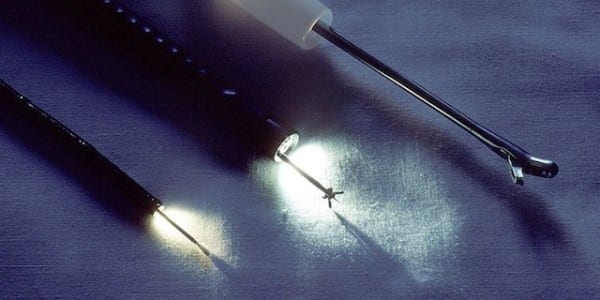
Image: PD Instruments used in endoscopy

1. Compared with usual care, fecal immunochemical test (FIT) outreach tripled colorectal cancer (CRC) screening rates and colonoscopy outreach doubled screening rates.

2. Of participants with abnormal fecal immunochemical test (FIT) results, 18% failed to follow-up with colonoscopy.

Evidence Rating Level: 1 (Excellent)

Study Rundown: Despite effective colorectal screening methods, screening rates remain low among uninsured and minority populations. This study found that organized mailed outreach efforts substantially increased CRC screening participation among underserved populations. The findings suggest that large-scale public health interventions to detect CRC should focus on the promotion of fecal immunochemical test (FIT) and other noninvasive tests over colonoscopy. However, this study only reflects screening participation after 1 round of invitation. Given the necessity for more frequent screening with FIT and the additional work-up necessary following an abnormal test, it remains unclear whether FIT is a superior CRC screening modality at the population level. Repeated outreach invitations could lead to higher rates of colonoscopy completion and adenoma detection. So while this study provides useful guidance for the development of programs and policies that may address disparities in CRC detection and outcomes, more longitudinal studies which include cost-effectiveness analysis are necessary to determine the long-term comparative effectiveness of various screening modalities.

Click to read the study in JAMA Internal Medicine

RELATED REPORTS

Male sex is associated with higher mortality among patients with hepatocellular carcinoma

Historical redlining associated with lower breast cancer screening across urban neighborhoods

Weight loss is associated with improved vascular function in patients with metabolic dysfunction-associated steatotic liver disease

Relevant Reading: US Preventive Services Task Force. Screening for colorectal cancer: U.S. Preventive Services Task Force recommendation statement

In-Depth [prospective, randomized, comparative effectiveness study]: This study aimed to determine (1) if organized mailed outreach boosts screening compared with usual care and (2) if FIT is superior to colonoscopy outreach for screening participation. Participants included 5970 uninsured men and women, aged 54 to 64 years old, who were enrolled in a medical assistance program in Tarrant County, TX in 2011-2012. Patients were randomly assigned to FIT outreach (1593), colonoscopy outreach (479), or usual care (3898).  Outreach interventions included a mailed invitation to complete no-cost screening, 2 prerecorded phone messages, up to 2 live phone reminders for patients who didn’t complete screening within 3 weeks of initial invitation. FIT outreach recipients were mailed a 1-sample FIT test, and colonoscopy outreach recipients were given a phone number to call and subsequent aid with scheduling and counseling in colonoscopy preparation. Usual care included opportunistic, clinic visit–based offers to complete screening with gFOBT, colonoscopy, barium enema, or sigmoidoscopy at the discretion of primary care providers. The study was powered to detect a 10% or more difference in the primary outcome of screening participation (completion of any CRC screening test within 1 year of follow-up after randomization).

Screening participation was 40.7% (95%CI, 38.3%-43.1%) for FIT outreach, 24.6% (95% CI, 20.8%-28.5%) for colonoscopy outreach, and 12.1% (95% CI, 11.1%-13.1%) for usual care. Outreach was consistently superior to usual care, with FIT outreach most successful, among all sex and ethnicity strata examined. Rate of CRC identification were equal among FIT and colonoscopy outreach (0.4%) than for usual care (0.2%). Of 60 patients with abnormal FIT results, 11 (18%) did not complete subsequent colonoscopy.

By Elizabeth Kersten and Andrew Bishara

More from this author: Shorter telomere length linked with increased risk of common cold, Breastfeeding associated with lower rates of hypertension, Health information technology improves obesity treatment access and screening, Undervaccination becoming more common, associated with increased admission rates, Silent MIs more common than previously assumed

© 2013 2minutemedicine.com. All rights reserved. No works may be reproduced without expressed written consent from 2minutemedicine.com. Disclaimer: We present factual information directly from peer reviewed medical journals. No post should be construed as medical advice and is not intended as such by the authors, editors, staff or by 2minutemedicine.com. PLEASE SEE A HEALTHCARE PROVIDER IN YOUR AREA IF YOU SEEK MEDICAL ADVICE OF ANY SORT.  
Tags: colonoscopycolorectal cancerfecal immunochemical testsGastroenterologyJAMAscreening
Previous Post

A new biomarker for therapy-resistant graft-versus-host disease and death

Next Post

Troponin criteria missed 26% of NSTEMIs

RelatedReports

Chronic Disease

Male sex is associated with higher mortality among patients with hepatocellular carcinoma

October 7, 2026
Oncology

Historical redlining associated with lower breast cancer screening across urban neighborhoods

September 13, 2026
Fatty liver disease may independently predict high-risk coronary disease
Cardiology

Weight loss is associated with improved vascular function in patients with metabolic dysfunction-associated steatotic liver disease

August 21, 2026
Quick Take: Diagnostic Yield of One-Time Colonoscopy vs One-Time Flexible Sigmoidoscopy vs Multiple Rounds of Mailed Fecal Immunohistochemical Tests in Colorectal Cancer Screening
Chronic Disease

Male sex and hispanic ethnicity are associated with increased risk of early-onset colorectal cancer

June 29, 2026
Next Post
Fibrosis linked with mortality in nonischemic dilated cardiomyopathy patients

Troponin criteria missed 26% of NSTEMIs

Wound surgical device found ineffective at infection control: ROSSINI Trial

Living donor outcomes improved by motivational interviewing

X-ray after foreign body removal by esophagoscopy is not cost effective

NEXUS Chest decision criteria sensitive for thoracic injury

EvidencePulse™ by 2 Minute Medicine 2026 evidence scan 3 reports You asked top stroke trials 2026 Synthesizing medical evidence... Top 2026 stroke trial results: OCEANIC — ischemic stroke: 6.2% vs 8.4% OPTION* — mRS 0–1: 43.6% vs 34.2% ORIENTAL* — mRS 0–2: 58.6% vs 46.6% *Higher sICH in intervention arms Participants randomizedN OCEANIC 12,327 OPTION 570 ORIENTAL 564 Ask about guidelines or landmark trials... ↑ Try EvidencePulse™ Get the signal. Try it now → Physician-trained medical AI by 2 Minute Medicine

2MM+ All Access

Full details →
$4.99 /month

3-day free trial · cancel anytime

  • ✓100+ physician-written reports
  • ✓EvidencePulse™ + HypeCheck™
  • ✓Ad-free reading + newsletters
Start 3-day free trial

Then $4.99/month. Manage renewal in your account.

2 Minute Medicine® is an award winning, physician-run, expert medical media company. Our content is curated, written and edited by practicing health professionals who have clinical and scientific expertise in their field of reporting. Our editorial management team is comprised of highly-trained MD physicians. Join numerous brands, companies, and hospitals who trust our licensed content.

Recent Reports

  • Gepotidacin (Blujepa) is safe and effective in women with uncomplicated urinary tract infections
  • Most routine blood tests do not require prolonged fasting
  • Pairing cardiac magnetic resonance with electrocardiograms (ECGs) improved artificial intelligence (AI) assessments of cardiovascular diseases
License Content
Terms of Use | Disclaimer
Cookie Policy
Cleantalk Pixel
2MM+ All Access Full details →

The medical literature, distilled daily.

Monthly plan selected: $4.99 /month.

$4.99/month

3-day free trial · cancel anytime

Start 3-day free trial

Then $4.99/month. Manage renewal in your account.

Yearly plan selected: $49.90 /year.

$49.90/year

2 months free

Start 3-day free trial

Then $49.90/year.

Membership benefits

  • ✓100+ physician-written reports
  • ✓AI EvidencePulse™ + HypeCheck™
  • ✓Ad-free reading + newsletters

Already a member? Sign in

  • About
  • Specialties
    • All Specialties, All Recent Reports
    • Cardiology
    • Chronic Disease
    • Dermatology
    • Emergency
    • Endocrinology
    • Gastroenterology
    • Imaging and Intervention
    • Infectious Disease
    • Nephrology
    • Neurology
    • Obstetrics
    • Oncology
    • Ophthalmology
    • Pediatrics
    • Pharma
    • Preclinical
    • Psychiatry
    • Public Health
    • Pulmonology
    • Rheumatology
    • Surgery
  • Tools
    • EvidencePulse™
    • HypeCheck™
    • NPI Registry Lookup
    • RVU Search
  • Pharma
  • AI Roundup
  • The Scan
  • Classics™
    • 2MM+ Online Access
    • Paperback and Ebook
  • Rewinds
  • Partners
    • License Content
    • Advertise with Us
No Result
View All Result

© 2026 2 Minute Medicine, Inc. - Physician-written medical news.