

Patient Basics: Chondrosarcoma
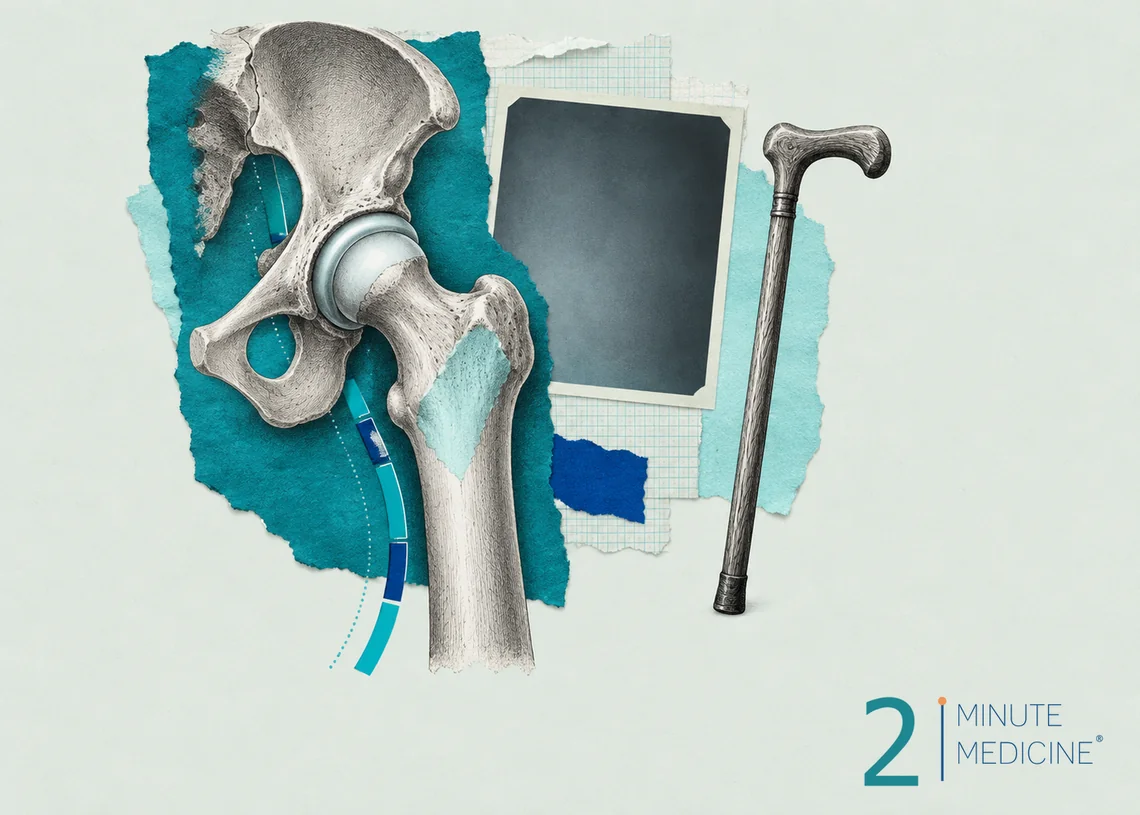
Chondrosarcoma is a rare cancer that starts in cartilage, the tough, rubbery tissue found at the ends of bones and in joints. It most often grows in the hip bone (pelvis), thigh bone, upper arm, shoulder blade or ribs, and it mostly affects adults over 40. Most chondrosarcomas grow slowly, and surgery cures many of them.
Key points
- Chondrosarcoma is one of the most common bone cancers in adults, but it is still rare.
- The main signs are a deep ache that slowly gets worse, often at night, and a hard lump or swelling.
- Grade matters most. Low-grade tumors grow slowly and rarely spread. High-grade tumors grow faster and can spread to the lungs.
- Surgery to remove the whole tumor is the main treatment. Standard chemotherapy and radiation work less well than they do for many other cancers.
- Care at a center that treats many bone cancers (sarcomas) gives the best chance of a good result.
What is bone cancer?
Bone cancer that starts in the bone itself is called primary bone cancer. It is uncommon. Much more often, cancer found in a bone has spread there from somewhere else, such as the breast, prostate or lung. The main primary bone cancers are:
- Osteosarcoma, which starts in bone-forming cells and mostly affects teens and young adults
- Chondrosarcoma, which starts in cartilage cells and mostly affects middle-aged and older adults
- Ewing sarcoma, which mostly affects children and teens
Types and grades of chondrosarcoma
Most chondrosarcomas are the conventional type. They can grow inside a bone or on its surface. Rarer types, such as dedifferentiated, mesenchymal and clear cell chondrosarcoma, act differently and may need other treatment.
Under a microscope, a pathologist gives the tumor a grade from 1 to 3:
- Grade 1 (low grade). The cells look close to normal cartilage. These tumors grow slowly and almost never spread. A grade 1 tumor in an arm or leg is now often called an atypical cartilaginous tumor.
- Grade 2 (intermediate). The cells look more abnormal. These tumors grow faster and are more likely to come back or spread.
- Grade 3 (high grade). The cells look very abnormal, and the tumor is more likely to spread, most often to the lungs.
Stage describes the grade, the size and whether the cancer has spread. Low-grade tumors that haven’t spread are stage 1. Higher-grade tumors that haven’t spread are stage 2. Spread to the lungs or other bones is stage 4.
What causes chondrosarcoma
Most of the time the cause isn’t known. A few things raise the risk:
- A benign cartilage tumor, such as an enchondroma or osteochondroma, that turns cancerous. This is rare.
- Conditions that cause many cartilage tumors, such as Ollier disease, Maffucci syndrome and multiple osteochondromas (hereditary multiple exostoses)
- Past radiation treatment to the area
Many chondrosarcomas carry a change in a gene called IDH1 or IDH2. These changes happen in the tumor and are not passed down in families.
Chondrosarcoma symptoms
- A dull, deep ache in the bone that slowly gets worse over months
- Pain that is worse at night or doesn’t ease with rest
- A hard lump or swelling over the bone
- Stiffness or less movement in a nearby joint, such as the hip, knee or shoulder
- A bone that breaks after little or no injury
- With a tumor in the pelvis, pressure on the bladder or bowel, or pain spreading down the leg
Because the pain builds slowly, people often mistake it for arthritis or a strained muscle.
How chondrosarcoma is diagnosed
- X-ray. Often the first test. Chondrosarcoma tends to show up as an area of thinned or damaged bone with speckled, ring-shaped spots of calcium inside it.
- MRI and CT scans. These show the tumor’s size and whether it has grown out of the bone into muscle, nerves or blood vessels.
- Chest CT, bone scan or PET scan. These check whether the cancer has spread.
- Biopsy. A small piece of the tumor is removed with a needle or a small cut and examined in a lab. It’s best done at the center where the surgery will happen, because the biopsy path has to be removed along with the tumor later.
Telling a harmless enchondroma from a low-grade chondrosarcoma can be hard, even for experts. Doctors weigh the pain, the scan findings and the biopsy together.
How chondrosarcoma is treated
Surgery
The goal is to take out the whole tumor plus a rim of healthy tissue around it, so no cancer cells are left behind. Most people keep their arm or leg (limb-sparing surgery). The missing bone is replaced with a metal implant, a bone graft or both. Amputation is needed only when the tumor involves major nerves or blood vessels.
Some low-grade tumors in the arms or legs can be scraped out of the bone (curettage). The space is then filled with bone cement or a bone graft, and the area may be frozen or treated with a chemical to kill any leftover cells.
Radiation
Radiation, often with proton beams, is used for tumors that can’t be fully removed, such as those near the spine or the base of the skull, or after surgery that left some tumor behind.
Chemotherapy and newer drugs
Chemotherapy helps little for most chondrosarcomas, but it is used for the mesenchymal type and sometimes the dedifferentiated type. Drugs that target IDH gene changes and other new treatments are being tested in clinical trials.
After treatment
Physical therapy helps you regain strength and movement, especially after surgery on the hip, knee or shoulder. You’ll have regular exams, X-rays of the treated area and chest scans for many years. Chondrosarcoma can come back late, even 10 or more years after surgery.
The outlook depends mostly on the grade and on whether all of the tumor was removed. Most people with low-grade chondrosarcoma are cured with surgery. Higher grades and the dedifferentiated type are harder to treat.
When to see a doctor
- Bone pain that lasts more than a few weeks, keeps getting worse or wakes you at night
- A new hard lump on a bone
- A known enchondroma or osteochondroma that starts to hurt or grow
- A bone that breaks after a minor bump
Common questions about chondrosarcoma
Is chondrosarcoma a type of bone cancer?
Yes. Chondrosarcoma is a primary bone cancer, meaning it starts in the bone rather than spreading there. More precisely, it starts in cartilage cells inside or on the surface of a bone. It belongs to a larger group of cancers called sarcomas, which grow from bone, cartilage, muscle and other connective tissue.
How fast does chondrosarcoma grow?
Most chondrosarcomas grow slowly, over months to years, which is why the pain builds so gradually. Grade 1 tumors may change very little over a long time. Grade 3 and dedifferentiated tumors grow much faster and are more likely to spread to the lungs.
What kind of doctor treats chondrosarcoma?
The main doctor is usually an orthopedic oncologist, a bone surgeon who specializes in bone and soft tissue tumors. They work with radiologists, pathologists, radiation doctors and cancer doctors at a sarcoma center. Because chondrosarcoma is rare, ask your doctor to refer you to a center that treats it often.
Questions to ask your doctor
- What type and grade of chondrosarcoma do I have?
- Has it spread anywhere else?
- Can the whole tumor be removed, and will I keep full use of my limb?
- How many people with this cancer does your team treat each year?
- How often will I need scans after treatment, and for how long?
Learn more
- Primary bone cancer (National Cancer Institute)
- Bone cancer (MedlinePlus, U.S. National Library of Medicine)
This guide is general information and doesn’t replace advice from your own doctor. Last updated October 2026.






 Get the app