

Patient Basics: Food Poisoning
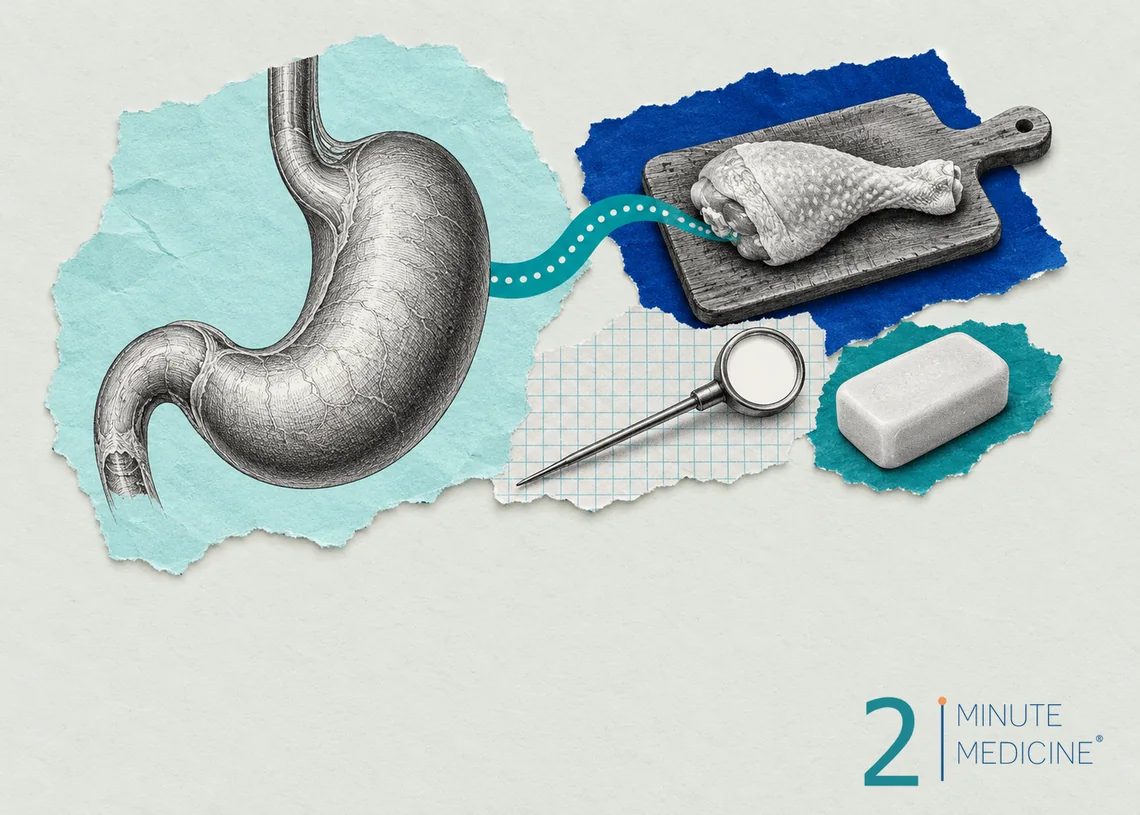
Food poisoning is an illness caused by eating or drinking something that carries germs, such as bacteria or viruses, or the toxins they make. It usually causes nausea, vomiting, diarrhea and stomach cramps that start within hours to a few days and last 1 to 3 days. Most people get better at home by drinking plenty of fluids. Babies, older adults, pregnant women and people with weak immune systems are more likely to get seriously ill.
Key points
- The CDC estimates that about 1 in 6 Americans gets food poisoning each year.
- Norovirus is the most common cause. Salmonella, Campylobacter and E. coli are common bacterial causes.
- Replacing lost fluids is the most important treatment.
- See a doctor for bloody diarrhea, a high fever, vomiting that stops you keeping fluids down, signs of dehydration, or diarrhea lasting more than 3 days.
- Cleaning, separating raw meat, cooking to the right temperature and chilling food quickly prevent most cases.
What causes food poisoning
Germs get into food when it is grown, packed, stored or prepared. Undercooked meat, raw eggs, unwashed produce, unpasteurized milk and food left out too long are common sources. Common causes include:
- Norovirus, often spread by an infected person handling food, and by raw oysters. It causes sudden vomiting and diarrhea.
- Salmonella, from raw or undercooked chicken, eggs, and sometimes produce or peanut butter
- Campylobacter, mainly from raw or undercooked chicken and unpasteurized milk
- E. coli, including types that cause bloody diarrhea, from undercooked ground beef, raw flour or dough, and leafy greens
- Clostridium perfringens, which grows in large batches of meat, stews and gravy kept warm for hours
- Staph and Bacillus cereus toxins, from food left at room temperature, such as cooked rice, salads or cream-filled pastries
- Listeria, from deli meats, hot dogs, soft cheeses and unpasteurized dairy. It is rare but dangerous in pregnancy.
- Botulism, a rare toxin from badly home-canned foods, which affects the nerves
People once called it ptomaine poisoning. That old name came from a mistaken idea that chemicals in spoiled food caused it.
How soon food poisoning starts and how long it lasts
- Within 30 minutes to 8 hours: toxins from staph or Bacillus cereus, usually with heavy vomiting. Symptoms often clear within a day.
- Within 6 to 24 hours: Clostridium perfringens, with cramps and diarrhea that usually last less than a day
- Within 12 to 48 hours: norovirus, lasting 1 to 3 days
- Within 6 hours to 6 days: Salmonella, often lasting 4 to 7 days
- Within 2 to 5 days: Campylobacter, lasting about a week
- Within 3 to 4 days: E. coli, lasting 5 to 7 days
- Weeks later: Listeria can take from a few days to several weeks to cause illness.
Because the delay varies, the last thing you ate may not be what made you sick.
Food poisoning symptoms
- Nausea and vomiting
- Watery or bloody diarrhea
- Stomach pain and cramps
- Fever and chills
- Headache and body aches
- Weakness and loss of appetite
Signs of dehydration include peeing less, dark urine, a dry mouth, feeling dizzy when you stand and, in babies, fewer wet diapers or no tears when crying.
How it’s diagnosed
Most people don’t need tests. A doctor may order a stool test if you have bloody diarrhea, a high fever, severe illness or symptoms that last, or if several people got sick from the same meal. Blood tests can check for dehydration and kidney problems. Tell your doctor what you ate, where, and when your symptoms started. Health departments use this information to track outbreaks.
How food poisoning is treated
Fluids
- Take small, frequent sips of water, broth or an oral rehydration solution from the pharmacy. These solutions replace salt and sugar along with water.
- For children, use an oral rehydration solution rather than juice or sports drinks. Keep breastfeeding babies.
- If you’re vomiting, wait 15 to 30 minutes after an episode, then start again with a spoonful or two every few minutes.
- Avoid alcohol and energy drinks.
Food
Start eating when you feel ready. Bland foods such as toast, rice, crackers, bananas, soup and potatoes are easy on the stomach. Fatty, spicy and very sweet foods can make diarrhea worse for a few days.
Medicines
- Loperamide (Imodium) can ease diarrhea in adults. Don’t use it if you have a fever or bloody diarrhea, or give it to young children unless a doctor says to.
- Bismuth subsalicylate (Pepto-Bismol) can help adults. It is related to aspirin, so don’t give it to children or teens.
- Anti-nausea medicine such as ondansetron may be prescribed if vomiting is severe.
- Antibiotics are needed only for some bacterial infections or severe illness. They aren’t used for norovirus or for the E. coli types that cause bloody diarrhea, where they can raise the risk of kidney damage.
Severe dehydration is treated with fluids through a vein (IV), in an urgent care center or hospital.
When to see a doctor
- Bloody diarrhea or black stools
- Fever higher than 102°F (38.9°C)
- Vomiting so often that you can’t keep liquids down
- Diarrhea lasting more than 3 days
- Signs of dehydration
- Illness in a baby, an older adult, a pregnant woman or someone with a weak immune system
Get emergency care or call 911 for trouble breathing, swallowing or speaking, blurry or double vision, drooping eyelids or weakness, which can be signs of botulism. Also get help fast for confusion, fainting, severe belly pain or very little urine. If you think you ate a poisonous mushroom or plant, call Poison Help at 1-800-222-1222.
Preventing food poisoning
- Clean. Wash hands, cutting boards and counters with soap and hot water. Rinse fruits and vegetables under running water.
- Separate. Keep raw meat, poultry, seafood and eggs away from ready-to-eat foods. Use a separate cutting board. Don’t rinse raw chicken, which splashes germs around the sink.
- Cook. Use a food thermometer. Cook poultry to 165°F, ground meats to 160°F, and steaks, roasts, pork and fish to 145°F.
- Chill. Keep your fridge at 40°F or below. Refrigerate leftovers within 2 hours, or within 1 hour on hot days. Thaw food in the fridge, not on the counter.
- During pregnancy, skip unpasteurized milk and soft cheeses made from it, and heat deli meats and hot dogs until steaming.
Common questions about food poisoning
Can you die from food poisoning?
It is rare, but yes. In the US, a few thousand people die each year, mostly older adults, babies, pregnant women and people with weak immune systems. Deaths usually come from severe dehydration, kidney failure, botulism or Listeria. Getting care quickly for warning signs makes a serious outcome much less likely.
How long after eating bad chicken do you get sick?
Usually within 6 hours to 5 days. Raw or undercooked chicken often carries Salmonella or Campylobacter. Salmonella tends to start within a day or two, and Campylobacter within 2 to 5 days. Expect diarrhea, cramps and often fever. Drink fluids and see a doctor if the warning signs above appear.
Should I take activated charcoal for food poisoning?
No. Activated charcoal isn’t recommended for food poisoning. It doesn’t remove the germs causing the illness, and it can make it harder for other medicines to work. Hospitals use it only for certain drug and chemical poisonings. Fluids and rest do more good for most people with food poisoning.
Is it food poisoning or a stomach bug?
Often it’s hard to tell, and they can be the same thing. Norovirus, the usual stomach bug, spreads through food and from person to person. Food poisoning is more likely if others who ate the same meal got sick too. Care is the same either way: fluids, rest and watching for warning signs.
Questions to ask your doctor
- What germ might have caused this?
- Do I need a stool test or an antibiotic?
- How can I tell if I’m getting dehydrated?
- When can I go back to work, school or preparing food for others?
- Is it safe for me to take medicine for diarrhea?
Learn more
- Food poisoning symptoms (CDC)
- Foodborne illness (MedlinePlus, U.S. National Library of Medicine)
This guide is general information and doesn’t replace advice from your own doctor. Last updated October 2026.






 Get the app