

Patient Basics: Insomnia
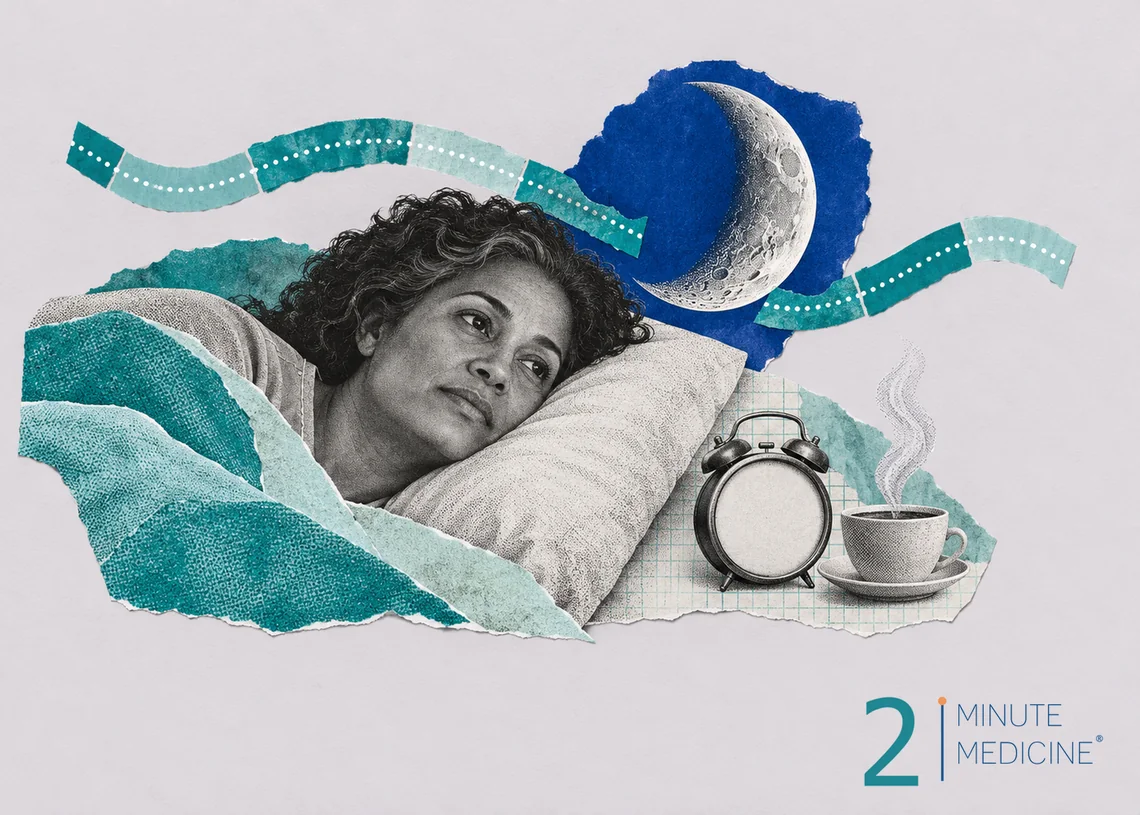
Insomnia means trouble falling asleep, staying asleep or sleeping as long as you’d like, even when you have the chance to sleep. It leaves you tired, cranky or foggy the next day. Almost everyone has a few bad nights. When poor sleep drags on for months, a short course of a talking therapy called CBT-I helps most people more than sleeping pills do.
Key points
- About 1 in 3 adults has some insomnia symptoms, and about 1 in 10 has long-term (chronic) insomnia.
- Stress, an irregular schedule, caffeine, alcohol and health problems are common triggers.
- Cognitive behavioral therapy for insomnia (CBT-I) is the first treatment doctors recommend for chronic insomnia.
- Sleep medicines can help for a short time, but they have side effects and work best alongside better sleep habits.
- If you can’t sleep, get out of bed after about 20 minutes and do something calm until you feel sleepy.
Insomnia symptoms
Insomnia can show up in different ways:
- Lying awake a long time before you drift off
- Waking in the night and struggling to get back to sleep
- Waking too early, such as 3 or 4 a.m., and staying awake
- Sleep that doesn’t feel restful
During the day you may feel worn out, irritable or low, and find it hard to focus. Many people start to dread bedtime, and that worry keeps them awake too.
Doctors call it short-term (acute) insomnia when it lasts days or weeks. Chronic insomnia means poor sleep at least three nights a week for three months or more.
What causes insomnia
Sudden insomnia usually has a clear trigger, such as stress, grief, an illness, a new baby or travel across time zones. It often fades once the trigger passes. For some people it doesn’t. They spend longer in bed trying to sleep, nap, drink more coffee and lie awake worrying about sleep. These habits can keep insomnia going long after the first cause is gone.
Other common causes include:
- Habits and schedule. Changing bedtimes and wake times, long naps, shift work, and using screens or working in bed.
- Caffeine, alcohol and nicotine. Alcohol may help you nod off, but it breaks up sleep later in the night.
- Mental health. Anxiety, depression, PTSD and bipolar disorder often disturb sleep. Long-term insomnia can also raise the risk of depression.
- Other sleep problems. Sleep apnea (pauses in breathing during sleep) and restless legs syndrome both break up sleep.
- Health conditions. Pain, heartburn, asthma, heart failure, an overactive thyroid, hot flashes in menopause, and an enlarged prostate that sends you to the bathroom at night.
- Medicines and drugs. Steroids, decongestants, some antidepressants and asthma drugs, ADHD stimulants, cannabis and other drugs.
How insomnia is diagnosed
No blood test can show insomnia. Your doctor will ask about your sleep, routine, mood, health and everything you take, including alcohol, caffeine and supplements. A bed partner can say whether you snore or stop breathing in your sleep.
You may keep a sleep diary for one or two weeks, noting each morning when you went to bed, how long it took to fall asleep, how often you woke and when you got up. Most people don’t need an overnight sleep study. Doctors order one if they suspect sleep apnea or another sleep disorder.
How insomnia is treated
CBT-I
Cognitive behavioral therapy for insomnia is a short, structured program, often 4 to 8 sessions with a trained therapist, in person or by video. There are also apps and online programs based on it, and a few are FDA-cleared. It helps most people sleep better, and the gains tend to last after the program ends. It usually includes:
- Stimulus control. Using the bed only for sleep and sex, and getting up when you can’t sleep, so your brain links bed with sleep again.
- Sleep restriction. Cutting your time in bed to about the hours you really sleep, then adding time as sleep improves. The first week or two feel hard. Then sleep gets deeper.
- Changing unhelpful thoughts. Learning to loosen worries such as “If I don’t sleep tonight, tomorrow will be a disaster.”
- Relaxation. Slow breathing, muscle relaxation or meditation to quiet a racing mind.
Medicines
Medicine can help for a short stretch, such as during a crisis, or when CBT-I isn’t available or hasn’t worked. Options include:
- Zolpidem (Ambien), eszopiclone and zaleplon. Rarely, they cause sleepwalking, driving while not fully awake, or other complex behaviors.
- Orexin blockers such as suvorexant, lemborexant and daridorexant, which turn down the brain’s “stay awake” signal.
- Low-dose doxepin, mainly for waking during the night.
- Ramelteon, which acts like melatonin and helps with falling asleep.
- Trazodone, an older antidepressant often used for sleep, with limited proof that it helps.
Most sleep medicines can leave you drowsy the next morning, and in older adults they can cause falls and confusion. Don’t mix them with alcohol or opioids. Many are meant for short-term use, and stopping suddenly after months of nightly use can bring rebound insomnia, so ask your doctor how to taper.
Store-bought sleep aids with diphenhydramine or doxylamine often leave you groggy, and older adults should avoid them because they raise the risk of confusion and falls. Melatonin may help a little with falling asleep, mostly when your body clock is off, but it does little for most chronic insomnia.
How to fall asleep when you have insomnia
- Get up at the same time every day, even after a bad night and on weekends.
- Go to bed only when you feel sleepy, not because the clock says it’s time.
- If you’re still awake after about 20 minutes, or you feel frustrated, get up. Read or listen to something calm in dim light, then go back to bed when you feel sleepy.
- Skip naps, or keep them under 30 minutes and before mid-afternoon.
- Have no caffeine after lunch, and go easy on alcohol in the evening.
- Exercise most days, but finish hard workouts a few hours before bed.
- Keep the bedroom dark, quiet and cool, with the clock turned away.
- Put your phone and work away an hour before bed.
- Get daylight soon after you wake up to help set your body clock.
When to see a doctor
- Poor sleep lasts more than a few weeks or affects your work, mood or safety
- You snore loudly, gasp or stop breathing in your sleep
- You have an urge to move your legs when you lie down
- You think a medicine is keeping you awake
- You fall asleep suddenly during the day or at the wheel. That points to a different problem, such as sleep apnea or narcolepsy.
If you feel hopeless or have thoughts of harming yourself, call or text 988, the Suicide & Crisis Lifeline, any time.
Common questions about insomnia
Why do I keep waking up in the middle of the night?
Waking briefly a few times a night is normal, and most people don’t remember it. Trouble getting back to sleep often comes from stress, alcohol, needing to urinate, pain, hot flashes or sleep apnea. If it happens most nights, a sleep diary can help you and your doctor find the cause.
Can insomnia go away on its own?
Short-term insomnia often fades within a few weeks once the stress or trigger passes. Chronic insomnia usually needs treatment, because habits built while coping, such as long hours in bed, keep it going. CBT-I helps most people, and many notice better sleep within a few weeks.
What happens if I haven’t slept at all?
A night or two with very little sleep feels awful but won’t harm a healthy person, and your body catches up with deeper sleep later. Don’t drive while drowsy. See a doctor if you’ve gone several nights with almost no sleep, or you feel confused or unusually full of energy.
Questions to ask your doctor
- Could a health problem or one of my medicines be causing my insomnia?
- Do I need a sleep study?
- Where can I get CBT-I, in person or online?
- Would a sleep medicine help me, and for how long?
- How do I cut back on the sleep aid I take now?
Learn more
- Insomnia (National Heart, Lung, and Blood Institute)
- Insomnia (MedlinePlus, U.S. National Library of Medicine)
This guide is general information and doesn’t replace advice from your own doctor. Last updated October 2026.
RelatedReports







 Get the app