• About
  • Masthead
  • License Content
  • Advertise
  • Submit Press Release
  • RSS/Email List
  • 2MM Podcast
  • Write for us
  • Contact Us
2 Minute Medicine
No Result
View All Result

No products in the cart.

SUBSCRIBE
  • About
  • Specialties
    • All Specialties, All Recent Reports
    • Cardiology
    • Chronic Disease
    • Dermatology
    • Emergency
    • Endocrinology
    • Gastroenterology
    • Imaging and Intervention
    • Infectious Disease
    • Nephrology
    • Neurology
    • Obstetrics
    • Oncology
    • Ophthalmology
    • Pediatrics
    • Pharma
    • Preclinical
    • Psychiatry
    • Public Health
    • Pulmonology
    • Rheumatology
    • Surgery
  • Tools+
    • EvidencePulse™
    • HypeCheck™
    • NPI Registry Lookup
    • RVU Search
  • Pharma
  • AI Roundup
  • The Scan+
  • Classics™+
    • 2MM+ Online Access
    • Paperback and Ebook
  • Rewinds
  • Partners
    • License Content
    • Submit Press Release
    • Advertise with Us
  • Account
    • Subscribe
    • My account
    • Cart
    • Sign-in
2 Minute Medicine
  • About
  • Specialties
    • All Specialties, All Recent Reports
    • Cardiology
    • Chronic Disease
    • Dermatology
    • Emergency
    • Endocrinology
    • Gastroenterology
    • Imaging and Intervention
    • Infectious Disease
    • Nephrology
    • Neurology
    • Obstetrics
    • Oncology
    • Ophthalmology
    • Pediatrics
    • Pharma
    • Preclinical
    • Psychiatry
    • Public Health
    • Pulmonology
    • Rheumatology
    • Surgery
  • Tools+
    • EvidencePulse™
    • HypeCheck™
    • NPI Registry Lookup
    • RVU Search
  • Pharma
  • AI Roundup
  • The Scan+
  • Classics™+
    • 2MM+ Online Access
    • Paperback and Ebook
  • Rewinds
  • Partners
    • License Content
    • Submit Press Release
    • Advertise with Us
  • Account
    • Subscribe
    • My account
    • Cart
    • Sign-in
SUBSCRIBE
2 Minute Medicine
Subscribe
EvidencePulse™ by 2 Minute Medicine 2026 evidence scan 3 reports You asked top stroke trials 2026 Synthesizing medical evidence... Top 2026 stroke trial results: OCEANIC — ischemic stroke: 6.2% vs 8.4% OPTION* — mRS 0–1: 43.6% vs 34.2% ORIENTAL* — mRS 0–2: 58.6% vs 46.6% *Higher sICH in intervention arms Participants randomizedN OCEANIC 12,327 OPTION 570 ORIENTAL 564 Ask about guidelines or landmark trials... ↑ Try EvidencePulse™ Ask the evidence.
Get the signal.
Try it now → Physician-trained medical AI by 2 Minute Medicine
Home All Specialties Cardiology

Percutaneous tricuspid repair improves severe tricuspid regurgitation
byBryant LimandKiera Liblik
June 6, 2023
in Cardiology, Chronic Disease, Surgery
Reading Time: 3 mins read
Rilonacept may lower pericarditis recurrence in patients with relapsing pericarditis
Share on FacebookShare on Twitter

1. In this open-label randomized trial, percutaneous tricuspid transcatheter edge-to-edge repair (TEER) reduced severe tricuspid regurgitation and improved quality of life compared to diuretic therapy.

2. Major adverse events related to the TEER procedure occurred in less than 2% of patients in the group.

Evidence Rating Level: 1 (Excellent)

Study Rundown: The standard treatment for tricuspid regurgitation includes medical and surgical therapy. Medical therapy is limited to diuretic agents, while surgical treatment is recommended only for patients with severe tricuspid regurgitation. Surgery can be challenging due to circulatory dysfunctions that are associated with patients who have previously undergone cardiac surgery. Percutaneous TEER has emerged as a safe and potentially effective therapy for tricuspid regurgitation. In this open-label randomized trial, patients with symptomatic severe tricuspid regurgitation were randomly assigned to receive either TEER or control medical therapy. Patients were followed for 12 months. The primary outcome was a composite that included death from any cause or tricuspid-valve surgery, hospitalization of heart failure, and an improvement in quality of life at the 12-month follow-up as measured with at least a 15-point increase in the Kansas City Cardiomyopathy Questionnaire (KCCQ). The between-group difference for the primary outcome significantly favored the TEER group. Patients in the TEER group had a significantly greater positive change in the KCCQ quality-of-life score compared to the control group. As a limitation, this study was open-label, which may result in study bias. In addition, the rigorous patient selection process may result in a study population that does not reflect the general population.

Click here to read the study in NEJM

In-Depth [randomized controlled trial]: In this open-label,  randomized controlled trial patients with symptomatic severe tricuspid regurgitation (n=350) were randomized to receive TEER (n=175) or control medical therapy (n=175). Patients were followed for 12 months. The primary outcome was a composite of all-cause or tricuspid-valve surgery mortality, hospitalization for heart failure, and improvement in quality of life as measured with the KCCQ. Analysis of the primary outcome used the Finkelstein-Schoenfeld method and a win ratio. The median length of stay for the TEER procedure was 1.0 day (interquartile range, 1.0 to 2.0) and no deaths occurred during the hospital stay. For the primary outcome, the win ratio favored the TEER group (1.48; 95% Confidence Interval, 1.06 to 2.13; p=0.02). Rates of all-cause or tricuspid-valve surgery mortality and hospitalization for heart failure alone were not significantly different between groups. For changes in KCCQ score, 49.7% and 26.4% of the TEER and control groups, respectively, had a 15-point or greater improvement. At the one-year follow-up, patients with moderate severity or less of tricuspid regurgitation as assessed by echocardiogram were 126 of 143 in the TEER Group compared to 8 of 141 in the control group, respectively. These results were functionally corroborated by a higher percentage of patients in the TEER group (83.9%) compared to the control group (59.5%) with NYHA functional class I or II at the one-year follow-up. For major adverse events at 30 days, two patients had new-onset kidney failure and one died from cardiovascular causes. Results from this trial suggest that TEER treatment reduces severe tricuspid regurgitation and confers functional improvements to patients with symptomatic tricuspid regurgitation.

RELATED REPORTS

Chronic exposure to particulate matter is associated with increased cardiovascular risk

The mortality in-hospital for patients undergoing elective catheter ablation for atrial fibrillation is low

Surgery is associated with an increased quality of life in women with endometriosis

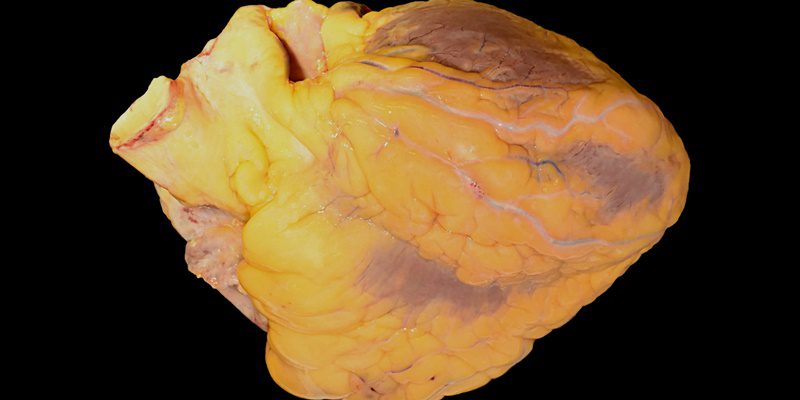
Image: PD

©2023 2 Minute Medicine, Inc. All rights reserved. No works may be reproduced without expressed written consent from 2 Minute Medicine, Inc. Inquire about licensing here. No article should be construed as medical advice and is not intended as such by the authors or by 2 Minute Medicine, Inc.

Tags: Cardiac surgerycardiologychronic diseasePercutaneous tricuspid repairsevere tricuspid regurgitationSurgerytricuspid regurgitationtricuspid transcatheter edge-to-edge repair
Previous Post

#VisualAbstract: Early versus later anticoagulation for stroke with atrial fibrillation

Next Post

P2Y12 inhibitors not found to be effective for critically ill patients with COVID-19

RelatedReports

Cardiology

Chronic exposure to particulate matter is associated with increased cardiovascular risk

September 10, 2026
Rivaroxaban likely reduces risk of recurrent stroke in specific subgroup of patients with embolic stroke of undetermined source
Cardiology

The mortality in-hospital for patients undergoing elective catheter ablation for atrial fibrillation is low

September 4, 2026
Survival greater in cervical cancer patients undergoing abdominal hysterectomy compared to minimally invasive techniques: the LACC trial
Chronic Disease

Surgery is associated with an increased quality of life in women with endometriosis

August 11, 2026
Hybrid minimally invasive esophagectomy associated with lower complication rates compared to open esophagectomy
Chronic Disease

Active surveillance is cost-effective compared with standard surgery among esophageal cancer patients with complete clinical response after neoadjuvant chemoradiotherapy

August 6, 2026
Next Post
Quick Take: Association of Rivaroxaban With Thromboembolic Events in Patients With Heart Failure, Coronary Disease, and Sinus Rhythm

P2Y12 inhibitors not found to be effective for critically ill patients with COVID-19

2 Minute Medicine Rewind June 4, 2023

#VisualAbstract: Ferric carboxymaltose comparable to oral iron supplementation for pregnant women with anemia

#VisualAbstract: Ferric carboxymaltose comparable to oral iron supplementation for pregnant women with anemia

EvidencePulse™ by 2 Minute Medicine 2026 evidence scan 3 reports You asked top stroke trials 2026 Synthesizing medical evidence... Top 2026 stroke trial results: OCEANIC — ischemic stroke: 6.2% vs 8.4% OPTION* — mRS 0–1: 43.6% vs 34.2% ORIENTAL* — mRS 0–2: 58.6% vs 46.6% *Higher sICH in intervention arms Participants randomizedN OCEANIC 12,327 OPTION 570 ORIENTAL 564 Ask about guidelines or landmark trials... ↑ Try EvidencePulse™ Ask the evidence.
Get the signal.
Try it now → Physician-trained medical AI by 2 Minute Medicine

2MM+ All Access

Full details →
$4.99 /month

5-day free trial · cancel anytime

  • ✓100+ physician-written reports
  • ✓EvidencePulse™ + HypeCheck™
  • ✓Ad-free reading + newsletters
Start 5-day free trial

Then $4.99/month. Manage renewal in your account.

2 Minute Medicine® is an award winning, physician-run, expert medical media company. Our content is curated, written and edited by practicing health professionals who have clinical and scientific expertise in their field of reporting. Our editorial management team is comprised of highly-trained MD physicians. Join numerous brands, companies, and hospitals who trust our licensed content.

Recent Reports

  • Video mental health care may have clinical advantages versus phone or in-person visits
  • Higher maternal body mass index is associated with increased risk of cardiovascular disease in offspring
  • Transanastomotic tubes not linked to anastomotic stricture after esophageal atresia repair
License Content
Terms of Use | Disclaimer
Cookie Policy
Cleantalk Pixel
2MM+ All Access Full details →

The medical literature, distilled daily.

Monthly plan selected: $4.99 /month.

$4.99/month

5-day free trial · cancel anytime

Start 5-day free trial

Then $4.99/month. Manage renewal in your account.

Yearly plan selected: $49.90 /year.

$49.90/year

2 months free · only $4.16/month

Start 5-day free trial

Then $49.90/year. Manage renewal in your account.

Membership benefits

  • ✓100+ physician-written reports
  • ✓AI EvidencePulse™ + HypeCheck™
  • ✓Ad-free reading + newsletters

Already a member? Sign in

  • About
  • Specialties
    • All Specialties, All Recent Reports
    • Cardiology
    • Chronic Disease
    • Dermatology
    • Emergency
    • Endocrinology
    • Gastroenterology
    • Imaging and Intervention
    • Infectious Disease
    • Nephrology
    • Neurology
    • Obstetrics
    • Oncology
    • Ophthalmology
    • Pediatrics
    • Pharma
    • Preclinical
    • Psychiatry
    • Public Health
    • Pulmonology
    • Rheumatology
    • Surgery
  • Tools
    • EvidencePulse™
    • HypeCheck™
    • NPI Registry Lookup
    • RVU Search
  • Pharma
  • AI Roundup
  • The Scan
  • Classics™
    • 2MM+ Online Access
    • Paperback and Ebook
  • Rewinds
  • Partners
    • License Content
    • Submit Press Release
    • Advertise with Us
  • Account
    • Subscribe
    • My account
    • Cart
    • Sign-in
No Result
View All Result

© 2026 2 Minute Medicine, Inc. - Physician-written medical news.