• About
  • Masthead
  • License Content
  • Advertise
  • Submit Press Release
  • RSS/Email List
  • 2MM Podcast
  • Write for us
  • Contact Us
2 Minute Medicine
No Result
View All Result

No products in the cart.

SUBSCRIBE
  • Specialties
    • All Specialties, All Recent Reports
    • Cardiology
    • Chronic Disease
    • Dermatology
    • Emergency
    • Endocrinology
    • Gastroenterology
    • Imaging and Intervention
    • Infectious Disease
    • Nephrology
    • Neurology
    • Obstetrics
    • Oncology
    • Ophthalmology
    • Pediatrics
    • Pharma
    • Preclinical
    • Psychiatry
    • Public Health
    • Pulmonology
    • Rheumatology
    • Surgery
  • Tools
    • EvidencePulse™
    • RVU Search
    • NPI Registry Lookup
  • Pharma
  • AI News
  • The Scan+
  • Classics™+
    • 2MM+ Online Access
    • Paperback and Ebook
  • Rewinds
  • Partners
    • License Content
    • Submit Press Release
    • Advertise with Us
  • Account
    • Subscribe
    • Sign-in
    • My account
2 Minute Medicine
  • Specialties
    • All Specialties, All Recent Reports
    • Cardiology
    • Chronic Disease
    • Dermatology
    • Emergency
    • Endocrinology
    • Gastroenterology
    • Imaging and Intervention
    • Infectious Disease
    • Nephrology
    • Neurology
    • Obstetrics
    • Oncology
    • Ophthalmology
    • Pediatrics
    • Pharma
    • Preclinical
    • Psychiatry
    • Public Health
    • Pulmonology
    • Rheumatology
    • Surgery
  • Tools
    • EvidencePulse™
    • RVU Search
    • NPI Registry Lookup
  • Pharma
  • AI News
  • The Scan+
  • Classics™+
    • 2MM+ Online Access
    • Paperback and Ebook
  • Rewinds
  • Partners
    • License Content
    • Submit Press Release
    • Advertise with Us
  • Account
    • Subscribe
    • Sign-in
    • My account
SUBSCRIBE
2 Minute Medicine
Subscribe
Home All Specialties Cardiology

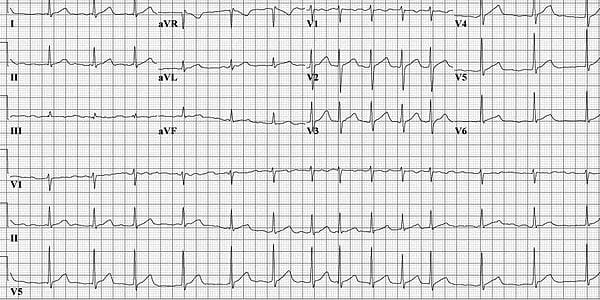
Pulsed-field noninferior to thermal ablation in treating paroxysmal atrial fibrillation
byJunghoon KoandKiera Liblik
November 24, 2023
in Cardiology, Chronic Disease, Emergency
Reading Time: 3 mins read
0
Share on FacebookShare on Twitter

1. In this randomized noninferiority trial, pulsed-field ablation was noninferior to thermal ablation in the treatment of patients with drug-refractory paroxysmal atrial fibrillation. 

2. Both pulsed field ablation and thermal ablation had comparative rates of device- and procedure-related serious adverse events.

Evidence Rating Level: 1 (Excellent)

Study Rundown: Catheter ablation is an increasingly used, effective treatment for drug-resistant atrial fibrillation. Conventional techniques include the use of radiofrequency or cryothermal energy to isolate the pulmonary veins, an important source of arrhythmogenic foci. Recent studies have shown that pulsed field ablation, a newer approach that utilizes microsecond high-voltage electrical fields, may limit damage to the tissues outside the myocardium, which is often seen with the aforementioned thermal ablation methods. This study aimed to compare the efficacy and safety of pulsed-field ablation to conventional thermal ablation in the treatment of paroxysmal atrial fibrillation. Overall, it demonstrated that pulsed field ablation was noninferior to thermal ablation with respect to the primary efficacy endpoint of freedom from a composite of initial procedure failure, documented atrial tachyarrhythmia following a three-month blanking period, antiarrhythmic use, repeat ablation, or cardioversion. Moreover, it showed that both techniques had similar rates of device- and procedure-related serious adverse events. This study utilized a single pulsed field ablation system to treat patients with paroxysmal atrial fibrillation, and thus, the applicability of its results to other pulsed field catheters or to patients with non-paroxysmal atrial fibrillation is limited.

Click to read the study in NEJM

Relevant Reading: Hope, Hype, and Reality of Pulsed Field Ablation for Atrial Fibrillation

RELATED REPORTS

Two scores for risk stratification of adults presenting with syncope may be effective at identifying those with low risk

Adjuvanted influenza vaccines and high-dose influenza vaccines may have similar effectiveness in adult patients

Resuscitative endovascular balloon occlusion of the aorta may not improve outcomes in adults with non-traumatic out-of-hospital cardiac arrest

In-Depth [randomized controlled trial]: The ADVENT trial is a randomized, single-blind, noninferiority trial that aimed to compare the efficacy of pulsed-field ablation to thermal ablation in the treatment of drug-resistant paroxysmal atrial fibrillation. Patients 75 years of age or younger with symptomatic paroxysmal atrial fibrillation refractory to at least one antiarrhythmic medication were randomly assigned in a 1:1 ratio to undergo pulsed field ablation or thermal ablation. Following the procedure, patients were followed for one year with scheduled telephone calls and in-office visits and permitted to take antiarrhythmics during the three-month blanking period. The primary efficacy endpoint was defined as freedom from a composite of failure of the procedure to achieve pulmonary vein isolation, documented atrial tachyarrhythmia lasting 30 seconds or longer following the blanking period, antiarrhythmic use or cardioversion following the blanking period, or repeat ablation within one year, with a prespecified noninferiority margin of 15%. The primary safety outcome was defined as a composite of device- and procedure-related serious adverse events including death, pulmonary vein stenosis, and atrioesophageal fistula, among others, with a noninferiority margin of 8%. After one year, the estimated probability of treatment success was 73.3% and 71.3% for pulsed-field ablation and thermal ablation, respectively. The estimated incidence of device- or procedure-related serious adverse events was 2.1% and 1.5% for pulsed-field ablation and thermal ablation, respectively, suggesting that pulsed field ablation was noninferior to thermal ablation with respect to the aforementioned safety outcome. In summary, this study demonstrated that pulsed field ablation was noninferior to conventional thermal ablation in the treatment of drug-resistant paroxysmal atrial fibrillation.

Image: PD

©2023 2 Minute Medicine, Inc. All rights reserved. No works may be reproduced without expressed written consent from 2 Minute Medicine, Inc. Inquire about licensing here. No article should be construed as medical advice and is not intended as such by the authors or by 2 Minute Medicine, Inc.


Tags: atrial fibrillationcardiologychronic diseaseemergencyparoxysmal atrial fibrillationPulsed fieldthermal ablation
Previous Post

Vancomycin and cefazolin not superior to cefazolin alone in arthroplasty prophylaxis

Next Post

Treatment of lower urinary tract symptoms in men in primary care using a conservative intervention

RelatedReports

Computed tomography improves diagnostic certainty in the emergency department
Cardiology

Two scores for risk stratification of adults presenting with syncope may be effective at identifying those with low risk

May 29, 2026
Live attenuated vaccine less effective in recent influenza season
Emergency

Adjuvanted influenza vaccines and high-dose influenza vaccines may have similar effectiveness in adult patients

May 15, 2026
Antiarrhythmic drugs have no survival benefit in shock-refractory out-of-hospital cardiac arrest
Cardiology

Resuscitative endovascular balloon occlusion of the aorta may not improve outcomes in adults with non-traumatic out-of-hospital cardiac arrest

May 14, 2026
PCI not superior to medical therapy alone in stable coronary disease: The COURAGE study
Cardiology

Invasive management for non-ST-segment elevation myocardial infarction in frail patients may not improve mortality

April 30, 2026
Next Post

Treatment of lower urinary tract symptoms in men in primary care using a conservative intervention

A collection of medical tools such as a stethoscope

Your Comprehensive Guide to Successfully Surviving and Thriving in Your First Year of Medical School

A stack of textbooks

The Ultimate Guide to Achieving a Competitive MCAT Score for Medical School Admissions

2 Minute Medicine® is an award winning, physician-run, expert medical media company. Our content is curated, written and edited by practicing health professionals who have clinical and scientific expertise in their field of reporting. Our editorial management team is comprised of highly-trained MD physicians. Join numerous brands, companies, and hospitals who trust our licensed content.

Recent Reports

  • Celebrity body scans are colliding with radiology evidence
  • Antibiotic prescribing remains high for uncomplicated diverticulitis 
  • Stockholm3 outperforms PSA for detecting significant prostate cancer 
License Content
Terms of Use | Disclaimer
Cookie Policy
Privacy Statement (EU)
Disclaimer
  • Specialties
    • All Specialties, All Recent Reports
    • Cardiology
    • Chronic Disease
    • Dermatology
    • Emergency
    • Endocrinology
    • Gastroenterology
    • Imaging and Intervention
    • Infectious Disease
    • Nephrology
    • Neurology
    • Obstetrics
    • Oncology
    • Ophthalmology
    • Pediatrics
    • Pharma
    • Preclinical
    • Psychiatry
    • Public Health
    • Pulmonology
    • Rheumatology
    • Surgery
  • Tools
    • EvidencePulse™
    • RVU Search
    • NPI Registry Lookup
  • Pharma
  • AI News
  • The Scan
  • Classics™
    • 2MM+ Online Access
    • Paperback and Ebook
  • Rewinds
  • Partners
    • License Content
    • Submit Press Release
    • Advertise with Us
  • Account
    • Subscribe
    • Sign-in
    • My account
No Result
View All Result

© 2026 2 Minute Medicine, Inc. - Physician-written medical news.