



• About
  • Masthead
  • License Content
  • Advertise
  • Submit Press Release
  • RSS/Email List
  • 2MM Podcast
  • Write for us
  • Contact Us
2 Minute Medicine
No Result
View All Result

No products in the cart.

SUBSCRIBE
  • Specialties
    • All Specialties, All Recent Reports
    • Cardiology
    • Chronic Disease
    • Dermatology
    • Emergency
    • Endocrinology
    • Gastroenterology
    • Imaging and Intervention
    • Infectious Disease
    • Nephrology
    • Neurology
    • Obstetrics
    • Oncology
    • Ophthalmology
    • Pediatrics
    • Pharma
    • Preclinical
    • Psychiatry
    • Public Health
    • Pulmonology
    • Rheumatology
    • Surgery
  • Tools
    • EvidencePulse™
    • RVU Search
    • NPI Registry Lookup
  • Pharma
  • AI News
  • The Scan+
  • Classics™+
    • 2MM+ Online Access
    • Paperback and Ebook
  • Rewinds
  • Partners
    • License Content
    • Submit Press Release
    • Advertise with Us
  • Account
    • Subscribe
    • Sign-in
    • My account
2 Minute Medicine
  • Specialties
    • All Specialties, All Recent Reports
    • Cardiology
    • Chronic Disease
    • Dermatology
    • Emergency
    • Endocrinology
    • Gastroenterology
    • Imaging and Intervention
    • Infectious Disease
    • Nephrology
    • Neurology
    • Obstetrics
    • Oncology
    • Ophthalmology
    • Pediatrics
    • Pharma
    • Preclinical
    • Psychiatry
    • Public Health
    • Pulmonology
    • Rheumatology
    • Surgery
  • Tools
    • EvidencePulse™
    • RVU Search
    • NPI Registry Lookup
  • Pharma
  • AI News
  • The Scan+
  • Classics™+
    • 2MM+ Online Access
    • Paperback and Ebook
  • Rewinds
  • Partners
    • License Content
    • Submit Press Release
    • Advertise with Us
  • Account
    • Subscribe
    • Sign-in
    • My account
SUBSCRIBE
2 Minute Medicine
Subscribe
Home All Specialties Chronic Disease

Quick Take: Association Between Longitudinal Plasma Neurofilament Light and Neurodegeneration in Patients With Alzheimer Disease

byDonna LeetandAliya Ramjaun
May 6, 2019
in Chronic Disease, Neurology, Preclinical
Reading Time: 2 mins read
0
Share on FacebookShare on Twitter

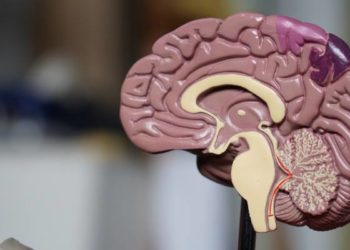
Alzheimer disease (AD) is characterized by the accumulation of amyloid b (Ab) and tau aggregates in the brain. The progression of AD can be monitored through imaging techniques or through the use of cerebrospinal fluid (CSF) biomarkers. As these modalities are expensive and invasive, an alternative method is needed. Neurofilament light (NfL) in the CSF is a biomarker for neuroaxonal damage, and recent developments have facilitated measurement of NfL in blood samples. In this cohort study, longitudinal plasma NfL levels were tested in 1,182 patients with mild cognitive impairment or AD dementia to investigate possible associations with other hallmarks of AD, such as CSF Ab and tau, imaging measures, and scores on cognitive tests. At baseline, 855 patients had mild cognitive impairment, and 327 patients had AD dementia. The analysis also included 401 patients who were cognitively unimpaired. Researchers found that the NfL level was increased at baseline in patients with mild cognitive impairment (mean level 37.9 ng/L) and AD dementia (mean level 45.9 ng/L) as compared to those who were cognitively unimpaired (mean level 32.1 ng/L) (p<0.001). Researchers also found that a longitudinal increase in NfL level correlated with baseline CSF biomarkers, including low Aβ42 (p=0.001), high total tau (p=0.02), and high phosphorylated tau levels (p=0.02). A longitudinal increase in NfL level also correlated with magnetic resonance imaging measures (small hippocampal volumes (p<0.001), thin regional cortices (p=0.009), and large ventricular volumes (p=0.002), low fluorodeoxyglucose positron emission tomography uptake (p=0.01), and poor cognitive performance (p< 0.001). A faster increase in NfL levels was also associated with a faster increase in CSF biomarkers of neuronal injury, faster rates of atrophy and hypometabolism, and faster worsening of global cognition. Overall, these findings suggest that plasma NfL levels can be used to track neurodegeneration and disease complications in AD.

Click to read the study in JAMA Neurology

Image: PD

©2019 2 Minute Medicine, Inc. All rights reserved. No works may be reproduced without expressed written consent from 2 Minute Medicine, Inc. Inquire about licensing here. No article should be construed as medical advice and is not intended as such by the authors or by 2 Minute Medicine, Inc

RELATED REPORTS

Home longevity scales generate data that outruns clinical evidence

Retinal scans powered by AI predict stroke risk over a decade

The Scan by 2 Minute Medicine®: Versatile Ozempic, Healthcare Reform, Unlocking the Brain, and Chickens and the Next Pandemic:

Tags: Alzheimer’s diseasebiomarkersneuroaxonal damageneurofilament light (NfL)
Previous Post

Quick Take: Restrictive strategy versus usual care for cholecystectomy in patients with gallstones and abdominal pain (SECURE)

Next Post

Comparison of GFR estimation methods in older adults

RelatedReports

Parental conceptions of weight are becoming increasingly inaccurate
The Scan by 2 Minute Medicine®

Home longevity scales generate data that outruns clinical evidence

February 3, 2026
Non-alcoholic fatty liver disease and risk of incident acute myocardial infarction and stroke: findings from matched cohort study of 18 million European adults
AI Roundup

Retinal scans powered by AI predict stroke risk over a decade

July 31, 2025
The Scan by 2 Minute Medicine®:  Ultra-Trail du Mont-Blanc, Taylor Swift, NBA rookie Chet Holmgren and Magic Mushrooms!
The Scan by 2 Minute Medicine®

The Scan by 2 Minute Medicine®: Versatile Ozempic, Healthcare Reform, Unlocking the Brain, and Chickens and the Next Pandemic:

January 7, 2025
Dasatinib and blinatumomab treatment for acute lymphoblastic leukemia
Cardiology

Various biomarkers remain intact in delayed sample processing

November 9, 2024
Next Post
Being overweight and obese associated with increased incidence of chronic kidney disease

Comparison of GFR estimation methods in older adults

Government-funded initiatives provide important supports to low-income HIV patients

2 Minute Medicine Rewind May 6, 2019

Transgender youth at increased risk for sexual assault with restrictive bathroom policies

Transgender youth at increased risk for sexual assault with restrictive bathroom policies

2 Minute Medicine® is an award winning, physician-run, expert medical media company. Our content is curated, written and edited by practicing health professionals who have clinical and scientific expertise in their field of reporting. Our editorial management team is comprised of highly-trained MD physicians. Join numerous brands, companies, and hospitals who trust our licensed content.

Recent Reports

  • A planetary health diet is associated with a lower risk of developing chronic kidney disease
  • The modified reverse valsalva for supraventricular tachycardia
  • Acupuncture may reduce pain and improve function in patients with migraine without aura
License Content
Terms of Use | Disclaimer
Cookie Policy
Privacy Statement (EU)
Disclaimer

© 2025 2 Minute Medicine, Inc. - Physician-written medical news.

  • Specialties
    • All Specialties, All Recent Reports
    • Cardiology
    • Chronic Disease
    • Dermatology
    • Emergency
    • Endocrinology
    • Gastroenterology
    • Imaging and Intervention
    • Infectious Disease
    • Nephrology
    • Neurology
    • Obstetrics
    • Oncology
    • Ophthalmology
    • Pediatrics
    • Pharma
    • Preclinical
    • Psychiatry
    • Public Health
    • Pulmonology
    • Rheumatology
    • Surgery
  • Tools
    • EvidencePulse™
    • RVU Search
    • NPI Registry Lookup
  • Pharma
  • AI News
  • The Scan
  • Classics™
    • 2MM+ Online Access
    • Paperback and Ebook
  • Rewinds
  • Partners
    • License Content
    • Submit Press Release
    • Advertise with Us
  • Account
    • Subscribe
    • Sign-in
    • My account
No Result
View All Result

© 2025 2 Minute Medicine, Inc. - Physician-written medical news.