• About
  • Masthead
  • License Content
  • Advertise
  • Submit Press Release
  • RSS/Email List
  • 2MM Podcast
  • Write for us
  • Contact Us
2 Minute Medicine
No Result
View All Result

No products in the cart.

SUBSCRIBE
  • Specialties
    • All Specialties, All Recent Reports
    • Cardiology
    • Chronic Disease
    • Dermatology
    • Emergency
    • Endocrinology
    • Gastroenterology
    • Imaging and Intervention
    • Infectious Disease
    • Nephrology
    • Neurology
    • Obstetrics
    • Oncology
    • Ophthalmology
    • Pediatrics
    • Pharma
    • Preclinical
    • Psychiatry
    • Public Health
    • Pulmonology
    • Rheumatology
    • Surgery
  • Tools
    • EvidencePulse™
    • RVU Search
    • NPI Registry Lookup
  • Pharma
  • AI News
  • The Scan+
  • Classics™+
    • 2MM+ Online Access
    • Paperback and Ebook
  • Rewinds
  • Partners
    • License Content
    • Submit Press Release
    • Advertise with Us
  • Account
    • Subscribe
    • Sign-in
    • My account
2 Minute Medicine
  • Specialties
    • All Specialties, All Recent Reports
    • Cardiology
    • Chronic Disease
    • Dermatology
    • Emergency
    • Endocrinology
    • Gastroenterology
    • Imaging and Intervention
    • Infectious Disease
    • Nephrology
    • Neurology
    • Obstetrics
    • Oncology
    • Ophthalmology
    • Pediatrics
    • Pharma
    • Preclinical
    • Psychiatry
    • Public Health
    • Pulmonology
    • Rheumatology
    • Surgery
  • Tools
    • EvidencePulse™
    • RVU Search
    • NPI Registry Lookup
  • Pharma
  • AI News
  • The Scan+
  • Classics™+
    • 2MM+ Online Access
    • Paperback and Ebook
  • Rewinds
  • Partners
    • License Content
    • Submit Press Release
    • Advertise with Us
  • Account
    • Subscribe
    • Sign-in
    • My account
SUBSCRIBE
2 Minute Medicine
Subscribe
Home AI Roundup

Retinal scans powered by AI predict stroke risk over a decade
byDeepti Shroff
July 31, 2025
in AI Roundup
Reading Time: 2 mins read
0
Share on FacebookShare on Twitter

Key Points:

1. Deep learning on fundus images forecasts ischemic stroke risk 10 years out with ~70 % sensitivity.

2. Adding clinical data boosts AUROC 5 points versus the Framingham score.

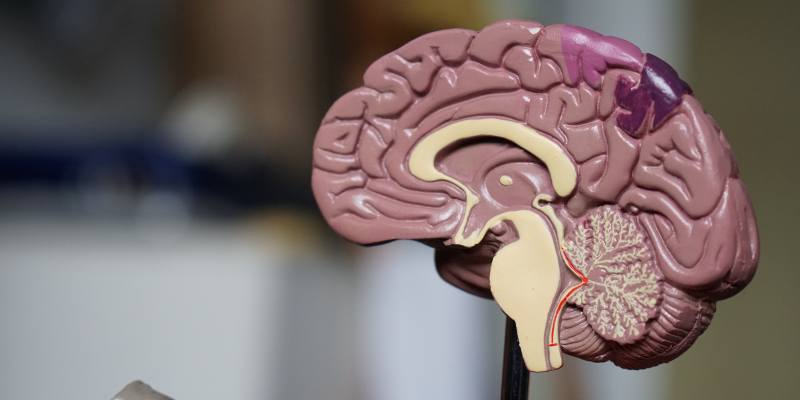
An AI model that inspects high‑resolution fundus photographs can flag people at risk of ischemic stroke up to ten years before their first event. In a study published this week in npj Digital Medicine, the algorithm reached roughly 70 percent sensitivity on an external UK Biobank test set of 12 000 images. Researchers trained the network on more than 85 000 retinal images, focusing on vessel caliber, tortuosity, and microaneurysm patterns. Adding age, sex, blood pressure, and cholesterol pushed AUROC five points higher than the traditional Framingham 10‑year risk score. That incremental lift sounds small but translates into thousands of strokes averted each year when applied population‑wide. Crucially, the camera hardware costs only a few thousand dollars and is already common in optometry clinics, paving the way for point‑of‑care deployment. The UK Biobank summary highlights how routine eye exams could double as cardiovascular screenings. Principal investigator Dr Siegfried Wagner calls the retina “a window into the brain’s microvasculature,” noting that many stroke‑related changes appear first in the eye. Separate work in Australia shows similar promise for heart‑attack prediction, as reported by MedicalXpress, adding momentum to ocular biomarkers as a new vital sign. Because fundus photography is non‑invasive, regulators view the risk profile as low, smoothing the path to CE‑marking in Europe. NHS pilot sites are being selected now, with plans to screen 100 000 patients across England and Wales starting in early 2026. Public‑health officials hope the tool will especially benefit underserved communities that lack MRI or carotid ultrasound. If successful, retinal AI could shift preventive neurology from reactive treatment to proactive surveillance, one snapshot at a time.

Image: PD

©2025 2 Minute Medicine, Inc. All rights reserved. No works may be reproduced without expressed written consent from 2 Minute Medicine, Inc. Inquire about licensing here. No article should be construed as medical advice and is not intended as such by the authors or by 2 Minute Medicine, Inc.
RELATED REPORTS

A cognitive rehabilitation program may improve cognitive performance in patients with long COVID

A chemical denervation intervention may be safe and effective for pain management in avascular necrosis of the hip

Dietary habits are associated with dementia risk in patients with Alzheimer’s pathology

Tags: biomarkerscarotid ultrasoundframingham scorefundusischemic strokemrineurology
Previous Post

Obesity is a mediating factor for gallstone disease risk

Next Post

Postoperative radioiodine ablation does not reduce cancer recurrence following thyroidectomy

RelatedReports

Novel coronavirus identified from patients with pneumonia in Wuhan, China
Chronic Disease

A cognitive rehabilitation program may improve cognitive performance in patients with long COVID

July 28, 2026
MRI screening may improve osteonecrosis outcomes in children with leukemia
Chronic Disease

A chemical denervation intervention may be safe and effective for pain management in avascular necrosis of the hip

July 16, 2026
Chronic Disease

Dietary habits are associated with dementia risk in patients with Alzheimer’s pathology

July 3, 2026
No obesity paradox found between BMI, stroke, and death
Neurology

Thrombectomy may improve functional independence in acute ischemic stroke with medium vessel occlusion

May 26, 2026
Next Post
Selpercatinib may provide an effective response against RET-mutated thyroid cancer

Postoperative radioiodine ablation does not reduce cancer recurrence following thyroidectomy

Ticagrelor reversal agent provides immediate and sustained effect

Mitapivat improves clinical outcomes in patients with non-transfusion dependent thalassemia

Large proportion of late preterm infants and older admitted to the NICU

Preterm infants have increased risk of psychological and physical health comorbidities at adulthood

2 Minute Medicine® is an award winning, physician-run, expert medical media company. Our content is curated, written and edited by practicing health professionals who have clinical and scientific expertise in their field of reporting. Our editorial management team is comprised of highly-trained MD physicians. Join numerous brands, companies, and hospitals who trust our licensed content.

Recent Reports

  • Praziquantel (Biltricide) is associated with higher cure rate than albendazole (Zentel) in the treatment of clonorchiasis
  • Use of semaglutide for weight control among women of reproductive age is more common in those using hormonal contraception
  • Contaminated drinking water is associated with increased risk of uterine cancer
License Content
Terms of Use | Disclaimer
Cookie Policy
Privacy Statement (EU)
Disclaimer
  • Specialties
    • All Specialties, All Recent Reports
    • Cardiology
    • Chronic Disease
    • Dermatology
    • Emergency
    • Endocrinology
    • Gastroenterology
    • Imaging and Intervention
    • Infectious Disease
    • Nephrology
    • Neurology
    • Obstetrics
    • Oncology
    • Ophthalmology
    • Pediatrics
    • Pharma
    • Preclinical
    • Psychiatry
    • Public Health
    • Pulmonology
    • Rheumatology
    • Surgery
  • Tools
    • EvidencePulse™
    • RVU Search
    • NPI Registry Lookup
  • Pharma
  • AI News
  • The Scan
  • Classics™
    • 2MM+ Online Access
    • Paperback and Ebook
  • Rewinds
  • Partners
    • License Content
    • Submit Press Release
    • Advertise with Us
  • Account
    • Subscribe
    • Sign-in
    • My account
No Result
View All Result

© 2026 2 Minute Medicine, Inc. - Physician-written medical news.