• About
  • Masthead
  • License Content
  • Advertise
  • Submit Press Release
  • RSS/Email List
  • 2MM Podcast
  • Write for us
  • Contact Us
2 Minute Medicine
No Result
View All Result

No products in the cart.

SUBSCRIBE
  • Specialties
    • All Specialties, All Recent Reports
    • Cardiology
    • Chronic Disease
    • Dermatology
    • Emergency
    • Endocrinology
    • Gastroenterology
    • Imaging and Intervention
    • Infectious Disease
    • Nephrology
    • Neurology
    • Obstetrics
    • Oncology
    • Ophthalmology
    • Pediatrics
    • Pharma
    • Preclinical
    • Psychiatry
    • Public Health
    • Pulmonology
    • Rheumatology
    • Surgery
  • Tools
    • EvidencePulse™
    • RVU Search
    • NPI Registry Lookup
  • Pharma
  • AI News
  • The Scan+
  • Classics™+
    • 2MM+ Online Access
    • Paperback and Ebook
  • Rewinds
  • Partners
    • License Content
    • Submit Press Release
    • Advertise with Us
  • Account
    • Subscribe
    • Sign-in
    • My account
2 Minute Medicine
  • Specialties
    • All Specialties, All Recent Reports
    • Cardiology
    • Chronic Disease
    • Dermatology
    • Emergency
    • Endocrinology
    • Gastroenterology
    • Imaging and Intervention
    • Infectious Disease
    • Nephrology
    • Neurology
    • Obstetrics
    • Oncology
    • Ophthalmology
    • Pediatrics
    • Pharma
    • Preclinical
    • Psychiatry
    • Public Health
    • Pulmonology
    • Rheumatology
    • Surgery
  • Tools
    • EvidencePulse™
    • RVU Search
    • NPI Registry Lookup
  • Pharma
  • AI News
  • The Scan+
  • Classics™+
    • 2MM+ Online Access
    • Paperback and Ebook
  • Rewinds
  • Partners
    • License Content
    • Submit Press Release
    • Advertise with Us
  • Account
    • Subscribe
    • Sign-in
    • My account
SUBSCRIBE
2 Minute Medicine
Subscribe
Home All Specialties Emergency

Risk of dementia may be increased following incident ischemic stroke: the ARIC study
byGursharan SohiandMichael Pratte
January 26, 2022
in Emergency, Nephrology, Psychiatry
Reading Time: 3 mins read
0
Share on FacebookShare on Twitter

1. The risk of developing dementia was increased for those who had suffered an ischemic stroke in a dose-dependent manner based on intensity and number of stroke events.

Level of Evidence Rating: 2 (Good)

Study Rundown: Strokes and their sequelae can have severe and debilitating impacts on an individual’s cognition and ability to function independently, particularly in older adults. The risk of developing dementia following stroke is poorly understood, although this information is prognostically important. This prospective cohort study conducted by the Atherosclerosis Risk in Communities Neurocognitive (ARIC) Study sought to understand the relationship between dementia risk and stroke history. This study includes data from 15,792 adults enrolled between 1987 and 1989, encompassing several decades of data. 1378 incident stroke events (including probable and definite events) occurred over the study period, the majority (62.8%) of which were mild.  2902 cases of dementia were diagnosed over the study period; of these, 42 patients were excluded because their dementia diagnosis was within one year of stroke and 269 of the remaining 2860 had had a preceding stroke. The median time between stroke and onset of dementia was 7.2 years. The risk of dementia following stroke was significantly higher than in patients who had not had a stroke before. As well, the risk seemed to correlate with stroke severity and number of stroke events in a dose-dependent manner. Koton et al concluded that stroke is a risk factor for dementia development, and that stroke severity and frequency positively correlate with the risk of dementia. Advantages of this work include the large sample size and considerable follow up period, as well as the prospective nature of this study. However, reliance on a patchwork of data collection methods over time may have contributed to poor quality data (i.e., changing definition of stroke severity throughout the study period). Additionally, residual confounding may be present from a lack of comprehensive comorbidity data.

Click here to read this study in JAMA Neurology

Relevant reading: Stroke and dementia risk: a systematic review and meta-analysis

In-Depth [prospective cohort study]: Data was collected from participants in four large American cities over the course of 7 possible study visits. Median follow up was 25.5 years (IQR 18.0-29.9). Stroke incidence was ascertained through a review of hospitalization records between 1987 and 2019. Several means were used to assess cognitive function over the study period, including through in-person testing, a computer algorithm and phone visits. Stroke severity was graded through the ​​National Institutes of Health Stroke Scale by study physicians as minor, mild, moderate or severe. Baseline hypertension (p = 0.006) and mean blood pressure (p = 0.005) were found to be significantly different between patients who did versus did not have a stroke. Most stroke events were considered to be mild (62.8%), 22.1% were minor, 7.9% were moderate and 7.1% were severe. At the end of the study period in 2019, 55.6% of enrolled participants had died and 6.5% had dropped out of study participation. The adjusted incidence ratio for dementia in patients without stroke was 0.47 (95% confidence interval 0.44-0.50) and was 1.21 (1.05-1.40) in patients with a history of stroke. The hazard ratio for dementia compared to patients who had not had a stroke was 1.76 (95% confidence interval, 1.49-2.00) for 1 minor to mild stroke, 3.47 (2.23-5.40) for 1 moderate to severe stroke, 3.48 (2.54-4.76) for 2 or more minor to mild strokes, and 6.68 (3.77-11.83) for 2 or more moderate to severe strokes. The proportion of dementia risk attributable to stroke was 17.4% (4.8-28.6%). These findings were robust to sensitivity analysis including using variable dates for dementia diagnosis, used interval censoring or looked at the competing risks of death.

RELATED REPORTS

Recombinant Zoster Vaccination May Reduce Dementia Risk in Older Adults

Thrombectomy may improve functional independence in acute ischemic stroke with medium vessel occlusion

A multimodal approach combining cognitive assessment with biomarkers may accurately predict dementia risk

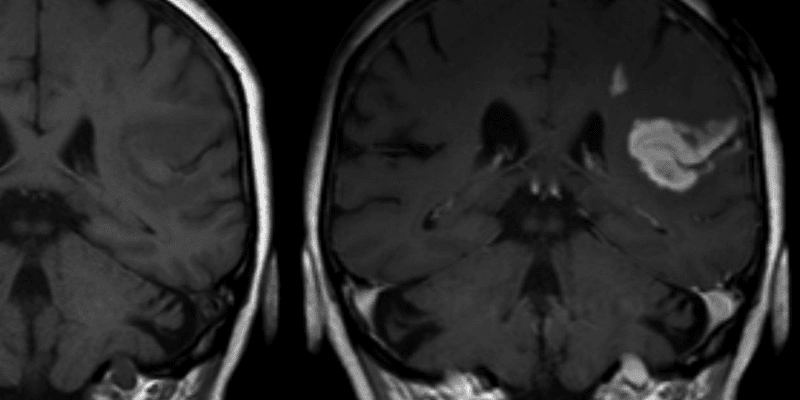
Image: PD

©2022 2 Minute Medicine, Inc. All rights reserved. No works may be reproduced without expressed written consent from 2 Minute Medicine, Inc. Inquire about licensing here. No article should be construed as medical advice and is not intended as such by the authors or by 2 Minute Medicine, Inc.
Tags: dementiaischemic strokestrokestroke complicationsvascular dementia
Previous Post

mRNA Covid-19 vaccine remained safe and efficacious through 6 months

Next Post

Ianalumab shows a dose-related improvement in disease activity in Sjögren’s syndrome

RelatedReports

Cardiovascular risk factors related to brain volume and associated dementia
Neurology

Recombinant Zoster Vaccination May Reduce Dementia Risk in Older Adults

June 15, 2026
No obesity paradox found between BMI, stroke, and death
Neurology

Thrombectomy may improve functional independence in acute ischemic stroke with medium vessel occlusion

May 26, 2026
Quick Take: Risk of rhabdomyolysis with donepezil compared with rivastigmine or galantamine
Chronic Disease

A multimodal approach combining cognitive assessment with biomarkers may accurately predict dementia risk

May 19, 2026
Transthoracic echocardiography can rule out endocarditis in low-risk bacteremic patients
Weekly Rewinds

2 Minute Medicine Rewind May 18, 2026

May 18, 2026
Next Post
Autoantibodies may precede symptom onset in Sjögren’s Syndrome

Ianalumab shows a dose-related improvement in disease activity in Sjögren’s syndrome

Adolescents’ muscle strength associated with lower cardiometabolic risk

Wellness Check: Exercise

#VisualAbstract: Rivaroxaban prophylaxis improves clinical outcomes in high-risk patients hospitalized with COVID-19

#VisualAbstract: Subcutaneous casirivimab and imdevimab reduced symptomatic COVID-19 infection among asymptomatic positive individuals

2 Minute Medicine® is an award winning, physician-run, expert medical media company. Our content is curated, written and edited by practicing health professionals who have clinical and scientific expertise in their field of reporting. Our editorial management team is comprised of highly-trained MD physicians. Join numerous brands, companies, and hospitals who trust our licensed content.

Recent Reports

  • Semaglutide (Ozempic) raises questions about mood and nonresponse
  • Cruise ship hantavirus outbreak turns into a global contact tracing test
  • Celebrity body scans are colliding with radiology evidence
License Content
Terms of Use | Disclaimer
Cookie Policy
Privacy Statement (EU)
Disclaimer
  • Specialties
    • All Specialties, All Recent Reports
    • Cardiology
    • Chronic Disease
    • Dermatology
    • Emergency
    • Endocrinology
    • Gastroenterology
    • Imaging and Intervention
    • Infectious Disease
    • Nephrology
    • Neurology
    • Obstetrics
    • Oncology
    • Ophthalmology
    • Pediatrics
    • Pharma
    • Preclinical
    • Psychiatry
    • Public Health
    • Pulmonology
    • Rheumatology
    • Surgery
  • Tools
    • EvidencePulse™
    • RVU Search
    • NPI Registry Lookup
  • Pharma
  • AI News
  • The Scan
  • Classics™
    • 2MM+ Online Access
    • Paperback and Ebook
  • Rewinds
  • Partners
    • License Content
    • Submit Press Release
    • Advertise with Us
  • Account
    • Subscribe
    • Sign-in
    • My account
No Result
View All Result

© 2026 2 Minute Medicine, Inc. - Physician-written medical news.