• About
  • Masthead
  • License Content
  • Advertise
  • Submit Press Release
  • RSS/Email List
  • 2MM Podcast
  • Write for us
  • Contact Us
2 Minute Medicine
No Result
View All Result

No products in the cart.

SUBSCRIBE
  • About
  • Specialties
    • All Specialties, All Recent Reports
    • Cardiology
    • Chronic Disease
    • Dermatology
    • Emergency
    • Endocrinology
    • Gastroenterology
    • Imaging and Intervention
    • Infectious Disease
    • Nephrology
    • Neurology
    • Obstetrics
    • Oncology
    • Ophthalmology
    • Pediatrics
    • Pharma
    • Preclinical
    • Psychiatry
    • Public Health
    • Pulmonology
    • Rheumatology
    • Surgery
  • Tools+
    • EvidencePulse™
    • HypeCheck™
    • NPI Registry Lookup
    • RVU Search
  • Pharma
  • AI Roundup
  • The Scan+
  • Classics™+
    • 2MM+ Online Access
    • Paperback and Ebook
  • Rewinds
  • Partners
    • License Content
    • Submit Press Release
    • Advertise with Us
  • Account
    • Subscribe
    • My account
    • Cart
    • Sign-in
2 Minute Medicine
  • About
  • Specialties
    • All Specialties, All Recent Reports
    • Cardiology
    • Chronic Disease
    • Dermatology
    • Emergency
    • Endocrinology
    • Gastroenterology
    • Imaging and Intervention
    • Infectious Disease
    • Nephrology
    • Neurology
    • Obstetrics
    • Oncology
    • Ophthalmology
    • Pediatrics
    • Pharma
    • Preclinical
    • Psychiatry
    • Public Health
    • Pulmonology
    • Rheumatology
    • Surgery
  • Tools+
    • EvidencePulse™
    • HypeCheck™
    • NPI Registry Lookup
    • RVU Search
  • Pharma
  • AI Roundup
  • The Scan+
  • Classics™+
    • 2MM+ Online Access
    • Paperback and Ebook
  • Rewinds
  • Partners
    • License Content
    • Submit Press Release
    • Advertise with Us
  • Account
    • Subscribe
    • My account
    • Cart
    • Sign-in
SUBSCRIBE
2 Minute Medicine
Subscribe
EvidencePulse™ by 2 Minute Medicine 2026 evidence scan 3 reports You asked top stroke trials 2026 Synthesizing medical evidence... Top 2026 stroke trial results: OCEANIC — ischemic stroke: 6.2% vs 8.4% OPTION* — mRS 0–1: 43.6% vs 34.2% ORIENTAL* — mRS 0–2: 58.6% vs 46.6% *Higher sICH in intervention arms Participants randomizedN OCEANIC 12,327 OPTION 570 ORIENTAL 564 Ask about guidelines or landmark trials... ↑ Try EvidencePulse™ Ask the evidence.
Get the signal.
Try it now → Physician-trained medical AI by 2 Minute Medicine
Home All Specialties Chronic Disease

Severe SARS-CoV-2 infections associated with greater risk of long term symptoms
byDonika YakoubandAlex Chan
February 12, 2024
in Chronic Disease, Infectious Disease, Pulmonology
Reading Time: 3 mins read
Prescription of antibiotics for acute respiratory infections increasing
Share on FacebookShare on Twitter

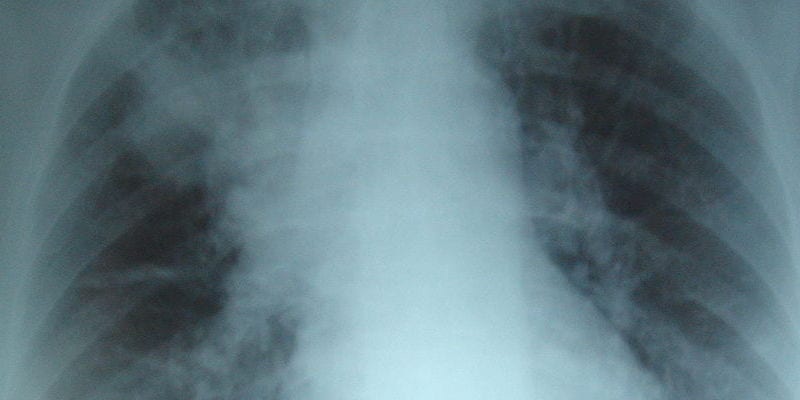
1. In a retrospective cohort analysis, patients with severe SARS-CoV-2 infection were more likely to experience additional symptoms (e.g., fatigue, shortness of breath) in the 31-150 days following a positive test. 

2. It was also found that more severe SARS-CoV-2 infections were linked to increased incidence of diabetes, hematologic disorders, and respiratory diseases in the months following a positive test. 

Evidence Rating Level: 2 (Good)

The SARS-CoV-2 pandemic has caused millions of infections and deaths worldwide since the first recorded cases. However, there is also a relatively large proportion (between 10 to 50%) of individuals who develop new and persistent symptoms and conditions after infection with SARS-CoV-2 (often referred to as post-acute sequelae of SARS-CoV-2 infection [PASC] or long-COVID). However, these symptoms are heterogenous in nature and have not been appropriately studied in children and non-hospitalized adults. The current study made use of electronic health records data to examine whether select symptoms and conditions could be isolated in relation to acute infection of SARS-CoV-2. Two cohorts were stratified based on age at time of infection (a youth cohort, 0-19 years old, and an adult cohort, ≥ 20 years old). Participants included over 3 million adults (316,249 with a positive viral test and 2,775,331 with only negative viral tests) and over 675,000 youth (62,131 with a positive viral test and 613,512 with only negative tests). Patients who were hospitalized with a positive viral test had higher prevalences of all symptom outcomes 31-150 days after a SARS-CoV-2 test. Fifty-three percent of hospitalized adults with positive tests had at least one symptom compared to 44% of hospitalized adults with negative viral tests. Hospitalized adults with a positive test were at higher risk of being diagnosed with at least one symptom (adjusted odds ratio [aOR], 1.17 [95% CI, 1.11–1.23]), three or more symptoms (aOR, 1.16[95% CI, 1.08 – 1.26]), fatigue (aOR, 1.12 [95% CI, 1.05 – 1.18]), or shortness of breath (aOR, 1.50[95% CI, 1.38–1.63]) 31 to 150 days after SARS-CoV-2 testing. Children who were hospitalized with a positive test had increased odds of being diagnosed with at least one symptom (aOR, 1.18[95% CI, 1.08–1.28]) or shortness of breath (aOR, 1.40 [95% CI, 1.15–1.70]) 31–150 days later. Among those who were not hospitalized, those with positive tests were at higher risk of being diagnosed with fatigue or shortness of breath (aORfatigue, 1.11[95% CI, 1.05–1.16]; aORSOB, 1.22[95% CI, 1.15–1.29]) in the 31-150 days post-positive test. With respect to the development of new conditions, if adults were hospitalized with a positive test, there was an observed increase in incidence of type 1 or 2 diabetes (adjusted hazard ratio [aHR], 1.25[95% CI, 1.17–1.33]), hematologic disorders (aHR, 1.19[95% CI, 1.11–1.28]), and respiratory diseases (aHR, 1.44[95% CI, 1.30–1.60]). They were not significantly more likely than their negative test counterparts to develop mental health conditions, major adverse cardiovascular events, or neurological disorders. If non-hospitalized with a positive test, adults were more likely to develop new hematologic disorders (aHR, 1.12[95% CI, 1.02–1.23]) compared to those who tested negative and did not go to hospital. The generalizability of this study is higher than previous studies due to its inclusion of adults, children, and both hospitalized and non-hospitalized individuals. The findings demonstrate that patients with more severe COVID infections were more likely to develop PASC and long-COVID symptoms. They were also more likely to develop chronic diseases in the months following infection. Future studies should validate these results and further study those who were not hospitalized for long-term sequelae. 

Click to read the study in BMC Infectious Diseases

Image: PD

RELATED REPORTS

Lower levels of education and place of birth were associated with non-admission to the intensive care unit in Sweden during COVID-19 pandemic

2 Minute Medicine Rewind August 31, 2026

Hematologic inflammatory indices may predict prognosis in younger patients with COVID-19 but not older patients

©2024 2 Minute Medicine, Inc. All rights reserved. No works may be reproduced without expressed written consent from 2 Minute Medicine, Inc. Inquire about licensing here. No article should be construed as medical advice and is not intended as such by the authors or by 2 Minute Medicine, Inc
Tags: COVID-19long COVIDpost-COVID syndromeSARS-CoV-2
Previous Post

Simvastatin does not improve outcomes in patients critically ill with COVID-19

Next Post

Habitual short sleepers with comorbidities at increased risk of long COVID

RelatedReports

Novel coronavirus identified from patients with pneumonia in Wuhan, China
Emergency

Lower levels of education and place of birth were associated with non-admission to the intensive care unit in Sweden during COVID-19 pandemic

September 1, 2026
Rivaroxaban likely reduces risk of recurrent stroke in specific subgroup of patients with embolic stroke of undetermined source
Weekly Rewinds

2 Minute Medicine Rewind August 31, 2026

August 31, 2026
Novel coronavirus identified from patients with pneumonia in Wuhan, China
Chronic Disease

Hematologic inflammatory indices may predict prognosis in younger patients with COVID-19 but not older patients

August 4, 2026
Elagolix with add-back hormone therapy effective in reducing fibroid-associated menstrual bleeding
Weekly Rewinds

2 Minute Medicine Rewind August 3rd, 2026

August 3, 2026
Next Post
Decreased expression of nasal ACE2 may be correlated with lower prevalence of COVID-19 in children

Habitual short sleepers with comorbidities at increased risk of long COVID

Brain lesions on MRI linked with subsequent increased stroke risk

N-Acetyl-L-Leucine improves neurological outcomes in Niemann-Pick Disease type C

#VisualAbstract: Butantan-Dengue Vaccine effective in preventing symptomatic dengue

#VisualAbstract: Butantan-Dengue Vaccine effective in preventing symptomatic dengue

EvidencePulse™ by 2 Minute Medicine 2026 evidence scan 3 reports You asked top stroke trials 2026 Synthesizing medical evidence... Top 2026 stroke trial results: OCEANIC — ischemic stroke: 6.2% vs 8.4% OPTION* — mRS 0–1: 43.6% vs 34.2% ORIENTAL* — mRS 0–2: 58.6% vs 46.6% *Higher sICH in intervention arms Participants randomizedN OCEANIC 12,327 OPTION 570 ORIENTAL 564 Ask about guidelines or landmark trials... ↑ Try EvidencePulse™ Ask the evidence.
Get the signal.
Try it now → Physician-trained medical AI by 2 Minute Medicine

2MM+ All Access

Full details →
$4.99 /month

5-day free trial · cancel anytime

  • ✓100+ physician-written reports
  • ✓EvidencePulse™ + HypeCheck™
  • ✓Ad-free reading + newsletters
Start 5-day free trial

Then $4.99/month. Manage renewal in your account.

2 Minute Medicine® is an award winning, physician-run, expert medical media company. Our content is curated, written and edited by practicing health professionals who have clinical and scientific expertise in their field of reporting. Our editorial management team is comprised of highly-trained MD physicians. Join numerous brands, companies, and hospitals who trust our licensed content.

Recent Reports

  • The rate of urethrocutaneous fistula following caudal and penile blocks for hypospadias repair may be similar
  • Adjuvant chemotherapy not linked to improved outcomes in localized appendiceal adenocarcinoma
  • Deep learning model improved cancer recurrence prediction for pediatric glioma using serial imaging
License Content
Terms of Use | Disclaimer
Cookie Policy
Cleantalk Pixel
2MM+ All Access Full details →

The medical literature, distilled daily.

Monthly plan selected: $4.99 /month.

$4.99/month

5-day free trial · cancel anytime

Start 5-day free trial

Then $4.99/month. Manage renewal in your account.

Yearly plan selected: $49.90 /year.

$49.90/year

2 months free · only $4.16/month

Start 5-day free trial

Then $49.90/year. Manage renewal in your account.

Membership benefits

  • ✓100+ physician-written reports
  • ✓AI EvidencePulse™ + HypeCheck™
  • ✓Ad-free reading + newsletters

Already a member? Sign in

  • About
  • Specialties
    • All Specialties, All Recent Reports
    • Cardiology
    • Chronic Disease
    • Dermatology
    • Emergency
    • Endocrinology
    • Gastroenterology
    • Imaging and Intervention
    • Infectious Disease
    • Nephrology
    • Neurology
    • Obstetrics
    • Oncology
    • Ophthalmology
    • Pediatrics
    • Pharma
    • Preclinical
    • Psychiatry
    • Public Health
    • Pulmonology
    • Rheumatology
    • Surgery
  • Tools
    • EvidencePulse™
    • HypeCheck™
    • NPI Registry Lookup
    • RVU Search
  • Pharma
  • AI Roundup
  • The Scan
  • Classics™
    • 2MM+ Online Access
    • Paperback and Ebook
  • Rewinds
  • Partners
    • License Content
    • Submit Press Release
    • Advertise with Us
  • Account
    • Subscribe
    • My account
    • Cart
    • Sign-in
No Result
View All Result

© 2026 2 Minute Medicine, Inc. - Physician-written medical news.