• About
  • Masthead
  • License Content
  • Advertise
  • Submit Press Release
  • RSS/Email List
  • 2MM Podcast
  • Write for us
  • Contact Us
2 Minute Medicine
No Result
View All Result

No products in the cart.

SUBSCRIBE
  • Specialties
    • All Specialties, All Recent Reports
    • Cardiology
    • Chronic Disease
    • Dermatology
    • Emergency
    • Endocrinology
    • Gastroenterology
    • Imaging and Intervention
    • Infectious Disease
    • Nephrology
    • Neurology
    • Obstetrics
    • Oncology
    • Ophthalmology
    • Pediatrics
    • Pharma
    • Preclinical
    • Psychiatry
    • Public Health
    • Pulmonology
    • Rheumatology
    • Surgery
  • Tools
    • EvidencePulse™
    • RVU Search
    • NPI Registry Lookup
  • Pharma
  • AI News
  • The Scan+
  • Classics™+
    • 2MM+ Online Access
    • Paperback and Ebook
  • Rewinds
  • Partners
    • License Content
    • Submit Press Release
    • Advertise with Us
  • Account
    • Subscribe
    • Sign-in
    • My account
2 Minute Medicine
  • Specialties
    • All Specialties, All Recent Reports
    • Cardiology
    • Chronic Disease
    • Dermatology
    • Emergency
    • Endocrinology
    • Gastroenterology
    • Imaging and Intervention
    • Infectious Disease
    • Nephrology
    • Neurology
    • Obstetrics
    • Oncology
    • Ophthalmology
    • Pediatrics
    • Pharma
    • Preclinical
    • Psychiatry
    • Public Health
    • Pulmonology
    • Rheumatology
    • Surgery
  • Tools
    • EvidencePulse™
    • RVU Search
    • NPI Registry Lookup
  • Pharma
  • AI News
  • The Scan+
  • Classics™+
    • 2MM+ Online Access
    • Paperback and Ebook
  • Rewinds
  • Partners
    • License Content
    • Submit Press Release
    • Advertise with Us
  • Account
    • Subscribe
    • Sign-in
    • My account
SUBSCRIBE
2 Minute Medicine
Subscribe
Home All Specialties Chronic Disease

Supervised hospital walking program reduces the need for nursing care

byDavid XiangandKiera Liblik
July 3, 2023
in Chronic Disease, Emergency, Public Health
Reading Time: 2 mins read
0
Share on FacebookShare on Twitter

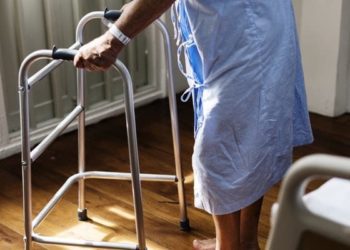
1. A supervised walking program was associated with reduced discharge rates to skilled-nursing facilities (SNF) from a Veterans Affairs (VA) hospital.

2. The supervised walking program did not result in a reduced length of hospital stay or a lower number of inpatient falls.

Evidence Rating Level: 1 (Excellent)

Study Rundown: Inactivity during hospitalization has been identified as a major risk factor for hospital-associated disability and other adverse events. It can increase the odds of longer lengths of stay, the decline in function, and eventual discharge to an SNF. Admission to an SNF after hospitalization is a risk factor for long-term institutionalization. Walking programs have emerged as a strategy to reduce functional decline among hospitalized older patients. However, there is a knowledge gap in understanding the effect of walking programs on patient mobility and functional improvement compared to older adults who do not participate in these programs. Overall, this study found that hospitalizations that occurred during the implementation period of the STRIDE (AssiSTed EaRly MobIlity for HospitalizeD VEterans) program had lower odds of discharge to an SNF but no impact on the length of stay. This study was limited by having almost all male patients and clinicians treating these patients as unblinded. Nevertheless, these study’s findings are significant, as they demonstrate that supervised walking programs may be impactful in improving quality of care and functional status after hospitalization for older adults.

Click to read the study in AIM

Relevant Reading: Physical Performance in Peripheral Arterial Disease: A Slower Rate of Decline in Patients Who Walk More

RELATED REPORTS

Two scores for risk stratification of adults presenting with syncope may be effective at identifying those with low risk

Adjuvanted influenza vaccines and high-dose influenza vaccines may have similar effectiveness in adult patients

Resuscitative endovascular balloon occlusion of the aorta may not improve outcomes in adults with non-traumatic out-of-hospital cardiac arrest

In-Depth [randomized controlled trial]: This stepped-wedge, cluster randomized trial was conducted at eight VA hospitals between August 2017 and August 2019. Patients who were aged 60 years or older and admitted for two or more business days to a participating medical ward without a bedrest order were eligible for the study. Patients who resided in the United States territories were excluded due to incomplete data. The primary outcome measured was 1) discharge to an SNF as assessed using VA care (delivered and purchased) and CMS data files, as well as 2) length of stay measured in days. Outcomes in the primary analysis were assessed via a cross-sectional incomplete stepped wedge design with generalized linear mixed models with a logit link. Based on the primary analysis, the estimated rates of discharge to an SNF were 13% pre-STRIDE and 8% post-STRIDE. In adjusted models, the odds of discharge to an SNF were lower among eligible patients hospitalized in post-STRIDE time periods (odds ratio [OR], 0.6; 95% Confidence Interval [CI], 0.5 to 0.8) compared with pre-STRIDE. There were no significant differences in overall LOS (rate ratio, 1.0; 95% CI, 0.9 to 1.1) or having an inpatient fall (OR, 0.8; 95% CI, 0.5 to 1.1). In summary, this study demonstrates that supervised walking programs for elderly hospitalized adults may improve functional status and reduce the probability of discharge to an SNF but may not impact the overall length of stay.

Image: PD

©2023 2 Minute Medicine, Inc. All rights reserved. No works may be reproduced without expressed written consent from 2 Minute Medicine, Inc. Inquire about licensing here. No article should be construed as medical advice and is not intended as such by the authors or by 2 Minute Medicine, Inc.

Tags: chronic diseaseemergencyfunctional statusgeriatric medicineinterdisciplinary careinternal medicinenursing carepublic healthveteran hospitalwalking program
Previous Post

Induction Therapy for Patients with Metastatic Colorectal Cancer and Liver Metastases

Next Post

Spirituality and connectedness may improve loneliness at the end-of-life

RelatedReports

Computed tomography improves diagnostic certainty in the emergency department
Cardiology

Two scores for risk stratification of adults presenting with syncope may be effective at identifying those with low risk

May 29, 2026
Live attenuated vaccine less effective in recent influenza season
Emergency

Adjuvanted influenza vaccines and high-dose influenza vaccines may have similar effectiveness in adult patients

May 15, 2026
Antiarrhythmic drugs have no survival benefit in shock-refractory out-of-hospital cardiac arrest
Cardiology

Resuscitative endovascular balloon occlusion of the aorta may not improve outcomes in adults with non-traumatic out-of-hospital cardiac arrest

May 14, 2026
Chronic Disease

Housing insecurity is associated with increased risk of geriatric conditions and mortality

May 7, 2026
Next Post
Early palliative care may improve survival in advanced cancer

Spirituality and connectedness may improve loneliness at the end-of-life

#VisualAbstract: Weekly Icodec versus Daily Glargine U100 in Type 2 Diabetes without Previous Insulin

#VisualAbstract: Weekly Icodec versus Daily Glargine U100 in Type 2 Diabetes without Previous Insulin

AAP recommends disaster preparedness measures for children

Housing insecurity is associated with childhood anxiety and lifelong depression

2 Minute Medicine® is an award winning, physician-run, expert medical media company. Our content is curated, written and edited by practicing health professionals who have clinical and scientific expertise in their field of reporting. Our editorial management team is comprised of highly-trained MD physicians. Join numerous brands, companies, and hospitals who trust our licensed content.

Recent Reports

  • Guideline-based lymph node sampling is not associated with increased postoperative complications in lung cancer
  • Seladelpar (Livdelzi) raises the bar for primary biliary cholangitis treatment
  • Statin use after but not before breast cancer diagnosis is associated with improved mortality in hormone receptor-positive early breast cancer
License Content
Terms of Use | Disclaimer
Cookie Policy
Privacy Statement (EU)
Disclaimer
  • Specialties
    • All Specialties, All Recent Reports
    • Cardiology
    • Chronic Disease
    • Dermatology
    • Emergency
    • Endocrinology
    • Gastroenterology
    • Imaging and Intervention
    • Infectious Disease
    • Nephrology
    • Neurology
    • Obstetrics
    • Oncology
    • Ophthalmology
    • Pediatrics
    • Pharma
    • Preclinical
    • Psychiatry
    • Public Health
    • Pulmonology
    • Rheumatology
    • Surgery
  • Tools
    • EvidencePulse™
    • RVU Search
    • NPI Registry Lookup
  • Pharma
  • AI News
  • The Scan
  • Classics™
    • 2MM+ Online Access
    • Paperback and Ebook
  • Rewinds
  • Partners
    • License Content
    • Submit Press Release
    • Advertise with Us
  • Account
    • Subscribe
    • Sign-in
    • My account
No Result
View All Result

© 2026 2 Minute Medicine, Inc. - Physician-written medical news.