• About
  • Masthead
  • License Content
  • Advertise
  • Press Releases
  • Newsroom
  • RSS/Email List
  • 2MM Podcast
  • Write for us
  • Contact Us
2 Minute Medicine
No Result
View All Result

No products in the cart.

Sign in
SUBSCRIBE
  • About
  • Specialties
    • All Specialties, All Recent Reports
    • Cardiology
    • Chronic Disease
    • Dermatology
    • Emergency
    • Endocrinology
    • Gastroenterology
    • Imaging and Intervention
    • Infectious Disease
    • Nephrology
    • Neurology
    • Obstetrics
    • Oncology
    • Ophthalmology
    • Pediatrics
    • Pharma
    • Preclinical
    • Psychiatry
    • Public Health
    • Pulmonology
    • Rheumatology
    • Surgery
    • Rewinds
    • The Scan
  • EvidencePulse™
  • HypeCheck™
  • AI News
  • Classics™
    • 2MM+ Online Access
    • Paperback and Ebook
  • Tools
    • NPI Registry Lookup
    • RVU Search
    • Physician Pay by Specialty
    • ICD-10 Code Lookup
    • FDA Drug Approvals
    • Drug Safety for Breastfeeding/Pregnancy
    • Clinical Guidelines
    • Medical Calculators
    • ECG Reference
      • QTc Calculator
      • Sgarbossa Criteria
      • ECG Axis Calculator
      • AV Block Helper
  • Rankings
    • Medical School Rankings
    • Residency Rankings
  • Partners
    • License Content
    • Advertise with Us
2 Minute Medicine
  • About
  • Specialties
    • All Specialties, All Recent Reports
    • Cardiology
    • Chronic Disease
    • Dermatology
    • Emergency
    • Endocrinology
    • Gastroenterology
    • Imaging and Intervention
    • Infectious Disease
    • Nephrology
    • Neurology
    • Obstetrics
    • Oncology
    • Ophthalmology
    • Pediatrics
    • Pharma
    • Preclinical
    • Psychiatry
    • Public Health
    • Pulmonology
    • Rheumatology
    • Surgery
    • Rewinds
    • The Scan
  • EvidencePulse™
  • HypeCheck™
  • AI News
  • Classics™
    • 2MM+ Online Access
    • Paperback and Ebook
  • Tools
    • NPI Registry Lookup
    • RVU Search
    • Physician Pay by Specialty
    • ICD-10 Code Lookup
    • FDA Drug Approvals
    • Drug Safety for Breastfeeding/Pregnancy
    • Clinical Guidelines
    • Medical Calculators
    • ECG Reference
      • QTc Calculator
      • Sgarbossa Criteria
      • ECG Axis Calculator
      • AV Block Helper
  • Rankings
    • Medical School Rankings
    • Residency Rankings
  • Partners
    • License Content
    • Advertise with Us
Sign in
SUBSCRIBE
2 Minute Medicine
Sign in
Subscribe
2 Minute MedicineFree on Google PlayGet
✦EvidencePulse™by 2 Minute Medicine3 reportsYou askedtop stroke trials 2026Synthesizing medical evidence...Top 2026 stroke trial results:OCEANIC — ischemic stroke: 6.2% vs 8.4%OPTION* — mRS 0–1: 43.6% vs 34.2%ORIENTAL* — mRS 0–2: 58.6% vs 46.6%*Higher sICH in intervention armsParticipants randomizedNOCEANIC12,327OPTION570ORIENTAL564Ask about guidelines or landmark trials...↑Try EvidencePulse™Ask the evidence. Get the signal.Try it now →
Home All Specialties Gastroenterology

Terlipressin improved renal function in patients with type 1 hepatorenal syndrome
byRicha SharmaandHarsh Shah
March 13, 2021
in Gastroenterology
Reading Time: 2 mins read
CT texture analysis may predict liver insufficiency after hepatectomy
Share on FacebookShare on TwitterShare on LinkedIn

1. Administration of intravenous terlipressin was shown to improve kidney function in hospitalized patients with type 1 hepatorenal syndrome.

2. Patients treated with terlipressin were associated with serious adverse events such as respiratory failure.

Evidence Rating Level: 1 (Excellent)

Study Rundown: Hemodynamic abnormalities of type 1 hepatorenal syndrome (HRS-1), a condition consisting of rapidly progressing renal failure, occurs in patients with decompensated cirrhosis. A synthetic vasopressin analog, terlipressin, has the ability to decrease portal blood inflow, consequently reducing portal hypertension, which is the main cause of hemodynamic abnormalities associated with advanced cirrhosis. This study examines the safety and efficacy of intravenous (IV) terlipressin in hospitalized patients with HRS-1. The study determined terlipressin as an effective treatment option for patients with HRS-1 compared to the placebo group. Although reversal of HRS-1 was more common among participants that received the study drug, complications such as respiratory failure leading to death were also more common in this group. This study was strengthened by its double-blind design; however, the study was conducted over a short period, thus limiting the outcomes measured. Nonetheless, the study results were significant as IV terlipressin could be a potential therapeutic to reverse the renal effects of HRS-1.

Click to read the study in the NEJM (New England Journal of Medicine)

Relevant Reading: In vitro binding and receptor-mediated activity of terlipressin at vasopressin receptors V 1 and V 2

RELATED REPORTS

Male sex is associated with higher mortality among patients with hepatocellular carcinoma

Terlipressin is effective in maintaining mean arterial pressure in refractory septic shock but does not improve mortality

In-Depth [randomized controlled trial]: In this randomized control trial 300 patients were enrolled in the study. Patients with a confirmed diagnosis of HRS-1, have cirrhosis, ascites, and kidney failure were included in the study. Patients with a high creatinine level (>7.0mg/dL) or large-volume paracenteses (4L or more) two days prior to randomization were excluded from the study. Patients were randomized in a 2:1 ratio into the terlipressin group or place group, respectively. All patients were administered albumin alongside their study treatment. This primary outcome was HRS reversal following drug administration. During analysis, 17% of the patients from the placebo group and 32% from the treatment group had HRS reversal (P=0.006). The mean follow-up duration was for 55.3 days, and 23% of the terlipressin patients received a liver transplant. In the placebo group, the mean duration of follow-up was 56.1 days, and 29% of the patients received a liver transplant. At 90 days, 51% of patients had died in the terlipressin group, and 45% of patients died in the placebo group (difference, 6 percentage points; 95% confidence interval [CI], -6 to 18). In conclusion, the reversal of HRS was significantly greater in the treatment group compared to the placebo group. Moreover, patients were more likely to die following respiratory failure in the treatment group as compared to the control group.

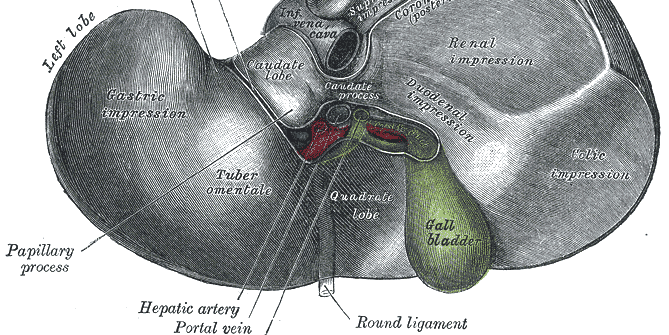
Image: PD

©2021 2 Minute Medicine, Inc. All rights reserved. No works may be reproduced without expressed written consent from 2 Minute Medicine, Inc. Inquire about licensing here. No article should be construed as medical advice and is not intended as such by the authors or by 2 Minute Medicine, Inc.

Tags: liverterlipressintype 1 hepatorenal syndrome
Previous Post

Increased albumin infusions did not improve decompensated cirrhosis

Next Post

#VisualAbstract: Circulating tumor DNA levels may predict treatment response in patients with advanced melanoma

RelatedReports

A liver illustration with spilled sugar cubes and two drink cups, highlighting the link between sugary drinks and liver health.
Chronic Disease

Male sex is associated with higher mortality among patients with hepatocellular carcinoma

October 7, 2026
Obstetric scoring systems overestimate cases of severe sepsis
Emergency

Terlipressin is effective in maintaining mean arterial pressure in refractory septic shock but does not improve mortality

January 13, 2026
Blood pressure collage: a calm young woman by a window, an engraved artery cross-section, a pulse wave and lavender
Weekly Rewinds

2 Minute Medicine Rewind Oct 27, 2025

January 13, 2026
Fatty liver disease collage: an engraved liver dotted with pale fat droplets beside a tray of three capped blood tubes
Chronic Disease

Sodium-glucose cotransporter 2 inhibitors may decrease risk of serious liver events in patients with cirrhosis

July 2, 2025
Next Post
#VisualAbstract: Pyrotinib plus capecitabine improves progression-free survival in HER2⁺ metastatic breast cancer

#VisualAbstract: Circulating tumor DNA levels may predict treatment response in patients with advanced melanoma

#VisualAbstract Clinical benefit seen with ibrutinib for relapsed/refractory multiple mantle cell lymphoma in a real-world population

#VisualAbstract Clinical benefit seen with ibrutinib for relapsed/refractory multiple mantle cell lymphoma in a real-world population

Screening plus Eave Tubes provides a cost-effective strategy to alleviate burden of malaria in Côte d’Ivoire

✦ EvidencePulse™ by 2 Minute Medicine 3 reports You asked top stroke trials 2026 Synthesizing medical evidence... Top 2026 stroke trial results: OCEANIC — ischemic stroke: 6.2% vs 8.4% OPTION* — mRS 0–1: 43.6% vs 34.2% ORIENTAL* — mRS 0–2: 58.6% vs 46.6% *Higher sICH in intervention arms Participants randomizedN OCEANIC 12,327 OPTION 570 ORIENTAL 564 Ask about guidelines or landmark trials... Try EvidencePulse™ Get the signal. Try it now → Physician-trained medical AI by 2 Minute Medicine

2MM+ All Access

Full details →
$4.99 /month

3-day free trial · cancel anytime

  • ✓100+ physician-written reports
  • ✓EvidencePulse™ + HypeCheck™
  • ✓Ad-free reading + newsletters
Start 3-day free trial

Then $4.99/month. Manage renewal in your account.

2 Minute Medicine® is an award winning, physician-run, expert medical media company. Our content is curated, written and edited by practicing health professionals who have clinical and scientific expertise in their field of reporting. Our editorial management team is comprised of highly-trained MD physicians. Join numerous brands, companies, and hospitals who trust our licensed content.

Recent Reports

  • CDC reports 5,182 confirmed measles cases in the United States in 2026
  • In selected patients with anterior-circulation large-vessel stroke 24-72 hours after onset, thrombectomy improved 90-day function but increased hemorrhage and death
  • Mavacamten reduced left ventricular outflow tract obstruction more than placebo in adolescents with symptomatic obstructive hypertrophic cardiomyopathy
License Content
Terms of Use | Disclaimer
Cookie Policy

Get the app

Read 2 Minute Medicine on iPhone, iPad and Android.

Download on the App StoreGet it on Google Play
QR code for www.2minutemedicine.com/app
On a computer? Scan this with your phone’s camera.
2MM+ All Access Full details →

The medical literature, distilled daily.

Monthly plan selected: $4.99 /month.

$4.99/month

3-day free trial · cancel anytime

Start 3-day free trial

Then $4.99/month. Manage renewal in your account.

Yearly plan selected: $49.90 /year.

$49.90/year

2 months free

Start 3-day free trial

Then $49.90/year.

Membership benefits

  • ✓100+ physician-written reports
  • ✓AI EvidencePulse™ + HypeCheck™
  • ✓Ad-free reading + newsletters
  • ✓FDA drug approvals + clinical calculators

Already a member? Sign in

  • Get the app
  • About
  • Specialties
    • All Specialties, All Recent Reports
    • Cardiology
    • Chronic Disease
    • Dermatology
    • Emergency
    • Endocrinology
    • Gastroenterology
    • Imaging and Intervention
    • Infectious Disease
    • Nephrology
    • Neurology
    • Obstetrics
    • Oncology
    • Ophthalmology
    • Pediatrics
    • Pharma
    • Preclinical
    • Psychiatry
    • Public Health
    • Pulmonology
    • Rheumatology
    • Surgery
    • Rewinds
    • The Scan
  • EvidencePulse™
  • HypeCheck™
  • AI News
  • Classics™
    • 2MM+ Online Access
    • Paperback and Ebook
  • Tools
    • NPI Registry Lookup
    • RVU Search
    • Physician Pay by Specialty
    • ICD-10 Code Lookup
    • FDA Drug Approvals
    • Drug Safety for Breastfeeding/Pregnancy
    • Clinical Guidelines
    • Medical Calculators
    • ECG Reference
      • QTc Calculator
      • Sgarbossa Criteria
      • ECG Axis Calculator
      • AV Block Helper
  • Rankings
    • Medical School Rankings
    • Residency Rankings
  • Partners
    • License Content
    • Advertise with Us
No Result
View All Result

© 2026 2 Minute Medicine, Inc. - Physician-written medical news.