• About
  • Masthead
  • License Content
  • Advertise
  • Submit Press Release
  • RSS/Email List
  • 2MM Podcast
  • Write for us
  • Contact Us
2 Minute Medicine
No Result
View All Result

No products in the cart.

SUBSCRIBE
  • About
  • Specialties
    • All Specialties, All Recent Reports
    • Cardiology
    • Chronic Disease
    • Dermatology
    • Emergency
    • Endocrinology
    • Gastroenterology
    • Imaging and Intervention
    • Infectious Disease
    • Nephrology
    • Neurology
    • Obstetrics
    • Oncology
    • Ophthalmology
    • Pediatrics
    • Pharma
    • Preclinical
    • Psychiatry
    • Public Health
    • Pulmonology
    • Rheumatology
    • Surgery
  • Tools+
    • EvidencePulse™
    • HypeCheck™
    • NPI Registry Lookup
    • RVU Search
  • Pharma
  • AI Roundup
  • The Scan+
  • Classics™+
    • 2MM+ Online Access
    • Paperback and Ebook
  • Rewinds
  • Partners
    • License Content
    • Submit Press Release
    • Advertise with Us
  • Account
    • Subscribe
    • My account
    • Cart
    • Sign-in
2 Minute Medicine
  • About
  • Specialties
    • All Specialties, All Recent Reports
    • Cardiology
    • Chronic Disease
    • Dermatology
    • Emergency
    • Endocrinology
    • Gastroenterology
    • Imaging and Intervention
    • Infectious Disease
    • Nephrology
    • Neurology
    • Obstetrics
    • Oncology
    • Ophthalmology
    • Pediatrics
    • Pharma
    • Preclinical
    • Psychiatry
    • Public Health
    • Pulmonology
    • Rheumatology
    • Surgery
  • Tools+
    • EvidencePulse™
    • HypeCheck™
    • NPI Registry Lookup
    • RVU Search
  • Pharma
  • AI Roundup
  • The Scan+
  • Classics™+
    • 2MM+ Online Access
    • Paperback and Ebook
  • Rewinds
  • Partners
    • License Content
    • Submit Press Release
    • Advertise with Us
  • Account
    • Subscribe
    • My account
    • Cart
    • Sign-in
SUBSCRIBE
2 Minute Medicine
Subscribe
EvidencePulse™ by 2 Minute Medicine 2026 evidence scan 3 reports You asked top stroke trials 2026 Synthesizing medical evidence... Top 2026 stroke trial results: OCEANIC — ischemic stroke: 6.2% vs 8.4% OPTION* — mRS 0–1: 43.6% vs 34.2% ORIENTAL* — mRS 0–2: 58.6% vs 46.6% *Higher sICH in intervention arms Participants randomizedN OCEANIC 12,327 OPTION 570 ORIENTAL 564 Ask about guidelines or landmark trials... ↑ Try EvidencePulse™ Ask the evidence.
Get the signal.
Try it now → Physician-trained medical AI by 2 Minute Medicine
Home All Specialties Gastroenterology

Trends in the prevalence of Hepatitis C infection during pregnancy and maternal-infant outcomes in the US, 1998 to 2018

byRhianna DavisandAlex Chan
August 31, 2023
in Gastroenterology, Infectious Disease, Obstetrics, Pediatrics, Public Health
Reading Time: 3 mins read
Screening insufficient for newborns exposed to hepatitis C virus
Share on FacebookShare on Twitter

1. The prevalence of Hepatitis C infection during pregnancy increased between 1998 and 2018, coinciding with the opioid epidemic. 

2. Individuals of White race, lower socioeconomic status, and a history of substance use were more likely to be infected with Hepatitis C during pregnancy. 

3. Hepatitis C Infection was associated with a greater risk of gestational hypertension, cesarean delivery, preterm labour, poor fetal growth, and fetal distress.

Evidence Rating Level: 2 (Good)

Study Rundown: Hepatitis C virus (HCV) is the most prevalent chronic bloodborne infection in the United States. Injection drug use is the strongest risk factor for acquiring HCV. Antepartum opioid use has increased since the start of the opioid epidemic; however, data on the true prevalence of HCV infection during pregnancy and its impact on maternal and infant health is limited. Researchers aimed to trend the annual prevalence of HCV-positive pregnancies and identify HCV-associated maternal and infant outcomes. The prevalence of HCV infection during pregnancy increased 16-fold from 1998 to 2018. Risk factors associated with HCV-positive pregnancy included White race, lower income, and a history of substance use. HCV infection was associated with increased risks for both the mother and infant, including gestational hypertension, cesarean delivery, preterm labour, poor fetal growth, and fetal distress. Overall, this study demonstrates that the prevalence of HCV infection during pregnancy increased between 1998 and 2018, with associated negative impacts on maternal and infant health. One limitation of this study is that data were only collected from hospital admissions, excluding participants who give birth in other settings, such as home births. It is also important to recognize that HCV screening practices improved over time during the study period, which may have skewed the prevalence data. Future research may assess the efficacy of programs for HCV screening and care during pregnancy, particularly for those with substance-use disorders and lower socioeconomic status.

Click here to read the study in JAMA Network Open

RELATED REPORTS

Higher maternal body mass index is associated with increased risk of cardiovascular disease in offspring

Lower levels of education and place of birth were associated with non-admission to the intensive care unit in Sweden during COVID-19 pandemic

Melatonin use is associated with lower proportions of rapid eye movement sleep in children

In-Depth [cross-sectional study]: This cross-sectional study included data from 70 million hospital admissions that resulted in childbirth or spontaneous abortion in the United States between 1998 and 2018. Data were collected from the National Inpatient Sample of the Healthcare Cost and Utilization Project. Over the course of the study period, the prevalence of HCV infection during pregnancy increased 16-fold. Overall, HCV infection was found in 0.20% of the 70 million hospital admissions (95% CI, 0.19%-0.21%). Specific characteristics were more prevalent among HCV-positive compared to HCV-negative participants, including White race (77.4%; 95% CI, 76.1%-78.6% vs 53.9%; 95% CI, 52.6%-55.1%), and lower socioeconomic status (40.0%; 95% CI, 38.6%-41.5% vs 26.9%; 95% CI, 25.8%-27.9%). Additionally, substance use was an important risk factor for HCV infection in pregnancy. HCV-positive participants were more likely to have a history of tobacco (41.7%; 95% CI, 40.6%-42.9% vs 4.0%; 95% CI, 3.8%-4.2%), alcohol (1.8%; 95% CI, 1.6%-2.0% vs 0.1%; 95% CI, 0.11%-0.12%), opioid (28.9%; 95% CI, 27.3%-30.6% vs 0.3%; 95% CI, 0.25%-0.29%), and cocaine (6.9%; 95% CI, 6.4%-7.4% vs 0.3%; 95% CI, 0.26%-0.30%) use. After adjusting for confounding variables including substance abuse, maternal HCV infection was associated with a greater risk of gestational hypertension (AOR 1.08; 95% CI, 1.03-1.14), cesarean delivery (AOR 1.19; 95% CI, 1.15-1.22), preterm labor (AOR 1.10; 95% CI, 1.05-1.14), poor fetal growth (AOR 1.29; 95% CI, 1.21-1.37), and fetal distress (AOR 1.11; 95% CI, 1.08-1.15).  

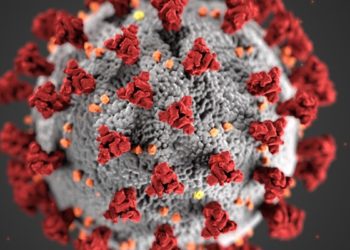
Image: PD

©2023 2 Minute Medicine, Inc. All rights reserved. No works may be reproduced without expressed written consent from 2 Minute Medicine, Inc. Inquire about licensing here. No article should be construed as medical advice and is not intended as such by the authors or by 2 Minute Medicine, Inc.

Tags: hepatitishepatitis ChepatologyHepCinfectious diseasematernal fetal medicineobstetricspediatrics
Previous Post

Wellness Check: Nutrition

Next Post

#VisualAbstract: Transcranial direct current stimulation does not improve outcomes for major depressive disorder

RelatedReports

Behavioral dysregulation in infancy predicts later child mental health
Cardiology

Higher maternal body mass index is associated with increased risk of cardiovascular disease in offspring

September 12, 2026
Novel coronavirus identified from patients with pneumonia in Wuhan, China
Emergency

Lower levels of education and place of birth were associated with non-admission to the intensive care unit in Sweden during COVID-19 pandemic

September 1, 2026
Parents with poor sleep quality report sleep problems in kids
Pediatrics

Melatonin use is associated with lower proportions of rapid eye movement sleep in children

August 14, 2026
Prevalence of hypertension among adolescents varies by race and BMI
Cardiology

A health coaching intervention may improve blood pressure control in postpartum women

August 12, 2026
Next Post
#VisualAbstract: Transcranial direct current stimulation does not improve outcomes for major depressive disorder

#VisualAbstract: Transcranial direct current stimulation does not improve outcomes for major depressive disorder

Radiation dose associated with increased heart disease in Hodgkin lymphoma survivors

Clinical benefits of mavacamten demonstrated in patients with symptomatic obstructive hypertrophic cardiomyopathy

Brain lesions on MRI linked with subsequent increased stroke risk

Oral lipid nanocrystal amphotericin B may be effective for cryptococcal meningitis

EvidencePulse™ by 2 Minute Medicine 2026 evidence scan 3 reports You asked top stroke trials 2026 Synthesizing medical evidence... Top 2026 stroke trial results: OCEANIC — ischemic stroke: 6.2% vs 8.4% OPTION* — mRS 0–1: 43.6% vs 34.2% ORIENTAL* — mRS 0–2: 58.6% vs 46.6% *Higher sICH in intervention arms Participants randomizedN OCEANIC 12,327 OPTION 570 ORIENTAL 564 Ask about guidelines or landmark trials... ↑ Try EvidencePulse™ Get the signal. Try it now → Physician-trained medical AI by 2 Minute Medicine

2MM+ All Access

Full details →
$4.99 /month

3-day free trial · cancel anytime

  • ✓100+ physician-written reports
  • ✓EvidencePulse™ + HypeCheck™
  • ✓Ad-free reading + newsletters
Start 3-day free trial

Then $4.99/month. Manage renewal in your account.

2 Minute Medicine® is an award winning, physician-run, expert medical media company. Our content is curated, written and edited by practicing health professionals who have clinical and scientific expertise in their field of reporting. Our editorial management team is comprised of highly-trained MD physicians. Join numerous brands, companies, and hospitals who trust our licensed content.

Recent Reports

  • Nirsevimab (Beyfortus) may reduce severe respiratory syncytial virus infections among infants
  • An artificial intelligence (AI) tool achieved high diagnostic accuracy for the identification and prediction of sepsis
  • Use of long-acting broadly neutralizing antibodies may delay human immunodeficiency virus (HIV) rebound following discontinuation of antiretroviral therapy
License Content
Terms of Use | Disclaimer
Cookie Policy
Cleantalk Pixel
2MM+ All Access Full details →

The medical literature, distilled daily.

Monthly plan selected: $4.99 /month.

$4.99/month

3-day free trial · cancel anytime

Start 3-day free trial

Then $4.99/month. Manage renewal in your account.

Yearly plan selected: $49.90 /year.

$49.90/year

2 months free

Start 3-day free trial

Then $49.90/year.

Membership benefits

  • ✓100+ physician-written reports
  • ✓AI EvidencePulse™ + HypeCheck™
  • ✓Ad-free reading + newsletters

Already a member? Sign in

  • About
  • Specialties
    • All Specialties, All Recent Reports
    • Cardiology
    • Chronic Disease
    • Dermatology
    • Emergency
    • Endocrinology
    • Gastroenterology
    • Imaging and Intervention
    • Infectious Disease
    • Nephrology
    • Neurology
    • Obstetrics
    • Oncology
    • Ophthalmology
    • Pediatrics
    • Pharma
    • Preclinical
    • Psychiatry
    • Public Health
    • Pulmonology
    • Rheumatology
    • Surgery
  • Tools
    • EvidencePulse™
    • HypeCheck™
    • NPI Registry Lookup
    • RVU Search
  • Pharma
  • AI Roundup
  • The Scan
  • Classics™
    • 2MM+ Online Access
    • Paperback and Ebook
  • Rewinds
  • Partners
    • License Content
    • Submit Press Release
    • Advertise with Us
  • Account
    • Subscribe
    • My account
    • Cart
    • Sign-in
No Result
View All Result

© 2026 2 Minute Medicine, Inc. - Physician-written medical news.