• About
  • Masthead
  • License Content
  • Advertise
  • Submit Press Release
  • RSS/Email List
  • 2MM Podcast
  • Write for us
  • Contact Us
2 Minute Medicine
No Result
View All Result

No products in the cart.

SUBSCRIBE
  • Specialties
    • All Specialties, All Recent Reports
    • Cardiology
    • Chronic Disease
    • Dermatology
    • Emergency
    • Endocrinology
    • Gastroenterology
    • Imaging and Intervention
    • Infectious Disease
    • Nephrology
    • Neurology
    • Obstetrics
    • Oncology
    • Ophthalmology
    • Pediatrics
    • Pharma
    • Preclinical
    • Psychiatry
    • Public Health
    • Pulmonology
    • Rheumatology
    • Surgery
  • Tools
    • EvidencePulse™
    • RVU Search
    • NPI Registry Lookup
  • Pharma
  • AI News
  • The Scan+
  • Classics™+
    • 2MM+ Online Access
    • Paperback and Ebook
  • Rewinds
  • Partners
    • License Content
    • Submit Press Release
    • Advertise with Us
  • Account
    • Subscribe
    • Sign-in
    • My account
2 Minute Medicine
  • Specialties
    • All Specialties, All Recent Reports
    • Cardiology
    • Chronic Disease
    • Dermatology
    • Emergency
    • Endocrinology
    • Gastroenterology
    • Imaging and Intervention
    • Infectious Disease
    • Nephrology
    • Neurology
    • Obstetrics
    • Oncology
    • Ophthalmology
    • Pediatrics
    • Pharma
    • Preclinical
    • Psychiatry
    • Public Health
    • Pulmonology
    • Rheumatology
    • Surgery
  • Tools
    • EvidencePulse™
    • RVU Search
    • NPI Registry Lookup
  • Pharma
  • AI News
  • The Scan+
  • Classics™+
    • 2MM+ Online Access
    • Paperback and Ebook
  • Rewinds
  • Partners
    • License Content
    • Submit Press Release
    • Advertise with Us
  • Account
    • Subscribe
    • Sign-in
    • My account
SUBSCRIBE
2 Minute Medicine
Subscribe
Home All Specialties Chronic Disease

Use of drug-coated balloons for treatment of stenotic lesions in arteriovenous fistulas
byHarsh ShahandDeepti Shroff
August 21, 2020
in Chronic Disease, Nephrology, Surgery
Reading Time: 2 mins read
0
Share on FacebookShare on Twitter

1. Drug-coated balloon angioplasty was superior to standard angioplasty for stenotic lesion treatment in hemodialysis arteriovenous fistulas.

2. Drug-coated balloon angioplasty was shown to be noninferior to standard angioplasty for adverse events.

Evidence Rating Level: 1 (Excellent)

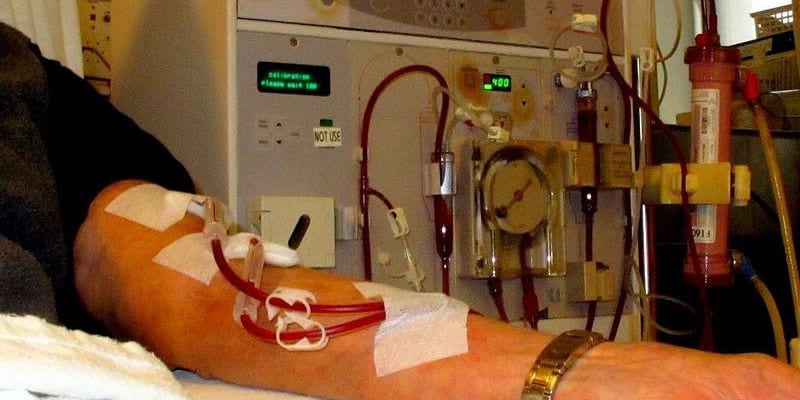
Study Rundown: Arteriovenous (AV) fistulas are given preference over central venous hemodialysis catheters during hemodialysis treatment. The AV fistulas provide access for renal replacement therapy while maintaining low risk for infection. However, one limitation of AV fistulas are the high incidence of vascular stenoses within the fistula circuit known as dysfunction. As such, this study investigated whether a paclitaxel-coated balloon angioplasty improved outcome in patients with dysfunctional fistulas compared to standard angioplasty. The results of the study demonstrated that the drug-coated balloon angioplasty was superior for treatment of stenotic lesions in AV fistulas compared to standard angioplasty. This randomized trial was limited by its non-blinded study design, as the drug-coated balloon had a different appearance than the standard balloon. Nonetheless, the study found a potential solution for AV fistula dysfunction to widen the adoption of this type of access.

Click to read the study in NEJM

Relevant Reading: Drug-Coated Balloon Angioplasty in Hemodialysis Circuits: A Systematic Review and Meta-Analysis

RELATED REPORTS

An intradialytic exercise intervention did not improve dialysis adequacy

2 Minute Medicine Rewind May 18, 2026

Steroidal mineralocorticoid receptor antagonists show little mortality benefit in patients receiving dialysis

In-Depth [randomized controlled trial]: This randomized control trial enrolled 330 participants in a multicenter study at 29 sites in the Untied States, Japan, and New Zealand. Participants included in the study had a native AV fistula created at least 60 days before the procedure and used dialysis between 8 to 12 times in a four-week period. Participants with a history of access-circuit thrombosis or a previous stent in the access circuit were excluded from this study. The participants were randomized in a 1:1 ratio to receive drug-coated balloon angioplasty or standard (non-drug-coated) balloon angioplasty. The primary outcome was patency of the targeted stenotic lesion. Target-lesion patency was defined as the freedom from target-lesion revascularization or access-circuit thrombosis. During the six-month follow-up period, 82.2% (125 or 152) in the drug-coated balloon group and 59.5% (88 of 148) in the standard balloon group maintained target-lesion patency (risk difference, 22.8 percentage points; 95% confidence interval [CI], 12.8 to 32.8; P<0.001). At the end of the follow-up period, the percentage of participants with target-lesion patency was 81.4% in the drug-coated balloon group compared to 59.0% in the control group (hazard ratio, 0.39; 95% CI, 0.24 to 0.61). Additionally, there was no significant difference for the risk of access-circuit thrombosis between the two groups (drug-coated balloon group, 2.0%; standard-balloon group, 3.4%; risk difference, -1.4%; 95% CI, -5.1 to 2.3). Finally, the drug-coated balloon (4.2%) was shown to be noninferior to the standard balloon (4.4%) with respect to serious adverse events involving the AV access-circuit (risk difference, -0.2 percentage points; 95% CI, -5.5 to 5.0; P=0.002 for noninferiority). The most frequent adverse event was AV fistula site complication in both groups (drug-coated balloon group, 3.0%; standard balloon group, 2.5%). Taken together, the drug-coated balloon angioplasty was shown to be significantly superior to standard balloon angioplasty for the treatment of stenotic lesion in hemodialysis AV fistulas.

Image: PD

©2020 2 Minute Medicine, Inc. All rights reserved. No works may be reproduced without expressed written consent from 2 Minute Medicine, Inc. Inquire about licensing here. No article should be construed as medical advice and is not intended as such by the authors or by 2 Minute Medicine, Inc.

Tags: arteriovenous fistuladialysisdrug coated balloonend-stage renal disease (ESRD)ESRD
Previous Post

Iodine deficiency associated with adverse fetal and gestational outcomes

Next Post

Evinacumab lowers LDL in homozygous familial hypercholesterolemia patients

RelatedReports

Fish oil and aspirin did not reduce arteriovenous fistula failure: The FAVOURED trail
Chronic Disease

An intradialytic exercise intervention did not improve dialysis adequacy

May 18, 2026
Transthoracic echocardiography can rule out endocarditis in low-risk bacteremic patients
Weekly Rewinds

2 Minute Medicine Rewind May 18, 2026

May 18, 2026
Nearly Half of All Pediatric Buprenorphine Exposures Result in Hospitalization
Cardiology

Steroidal mineralocorticoid receptor antagonists show little mortality benefit in patients receiving dialysis

September 18, 2025
Fish oil and aspirin did not reduce arteriovenous fistula failure: The FAVOURED trail
Cardiology

Spironolactone does not reduce cardiovascular events in patients receiving maintenance dialysis

September 17, 2025
Next Post
Cognitive outcomes in older adults undergoing cardiovascular procedures unclear

Evinacumab lowers LDL in homozygous familial hypercholesterolemia patients

Diet and gastric bypass have similar metabolic benefits in diabetic patients

Compression therapy may lower recurrent cellulitis in patients with chronic leg edema

Compression therapy may lower recurrent cellulitis in patients with chronic leg edema

2 Minute Medicine® is an award winning, physician-run, expert medical media company. Our content is curated, written and edited by practicing health professionals who have clinical and scientific expertise in their field of reporting. Our editorial management team is comprised of highly-trained MD physicians. Join numerous brands, companies, and hospitals who trust our licensed content.

Recent Reports

  • All-oral chemotherapy regimen tolerable and efficacious for newly diagnosed acute myeloid leukemia
  • Enzalutamide (Xtandi) and abiraterone (Zytiga) may have similar effectiveness in metastatic castration-sensitive prostate cancer
  • Intermittent metformin (Glucophage) is non-inferior to continuous metformin for prediabetes in post-partum women with prior gestational diabetes mellitus
License Content
Terms of Use | Disclaimer
Cookie Policy
Privacy Statement (EU)
Disclaimer
  • Specialties
    • All Specialties, All Recent Reports
    • Cardiology
    • Chronic Disease
    • Dermatology
    • Emergency
    • Endocrinology
    • Gastroenterology
    • Imaging and Intervention
    • Infectious Disease
    • Nephrology
    • Neurology
    • Obstetrics
    • Oncology
    • Ophthalmology
    • Pediatrics
    • Pharma
    • Preclinical
    • Psychiatry
    • Public Health
    • Pulmonology
    • Rheumatology
    • Surgery
  • Tools
    • EvidencePulse™
    • RVU Search
    • NPI Registry Lookup
  • Pharma
  • AI News
  • The Scan
  • Classics™
    • 2MM+ Online Access
    • Paperback and Ebook
  • Rewinds
  • Partners
    • License Content
    • Submit Press Release
    • Advertise with Us
  • Account
    • Subscribe
    • Sign-in
    • My account
No Result
View All Result

© 2026 2 Minute Medicine, Inc. - Physician-written medical news.