• About
  • Masthead
  • License Content
  • Advertise
  • Submit Press Release
  • RSS/Email List
  • 2MM Podcast
  • Write for us
  • Contact Us
2 Minute Medicine
No Result
View All Result

No products in the cart.

SUBSCRIBE
  • Specialties
    • All Specialties, All Recent Reports
    • Cardiology
    • Chronic Disease
    • Dermatology
    • Emergency
    • Endocrinology
    • Gastroenterology
    • Imaging and Intervention
    • Infectious Disease
    • Nephrology
    • Neurology
    • Obstetrics
    • Oncology
    • Ophthalmology
    • Pediatrics
    • Pharma
    • Preclinical
    • Psychiatry
    • Public Health
    • Pulmonology
    • Rheumatology
    • Surgery
  • Tools
    • EvidencePulse™
    • RVU Search
    • NPI Registry Lookup
  • Pharma
  • AI News
  • The Scan+
  • Classics™+
    • 2MM+ Online Access
    • Paperback and Ebook
  • Rewinds
  • Partners
    • License Content
    • Submit Press Release
    • Advertise with Us
  • Account
    • Subscribe
    • Sign-in
    • My account
2 Minute Medicine
  • Specialties
    • All Specialties, All Recent Reports
    • Cardiology
    • Chronic Disease
    • Dermatology
    • Emergency
    • Endocrinology
    • Gastroenterology
    • Imaging and Intervention
    • Infectious Disease
    • Nephrology
    • Neurology
    • Obstetrics
    • Oncology
    • Ophthalmology
    • Pediatrics
    • Pharma
    • Preclinical
    • Psychiatry
    • Public Health
    • Pulmonology
    • Rheumatology
    • Surgery
  • Tools
    • EvidencePulse™
    • RVU Search
    • NPI Registry Lookup
  • Pharma
  • AI News
  • The Scan+
  • Classics™+
    • 2MM+ Online Access
    • Paperback and Ebook
  • Rewinds
  • Partners
    • License Content
    • Submit Press Release
    • Advertise with Us
  • Account
    • Subscribe
    • Sign-in
    • My account
SUBSCRIBE
2 Minute Medicine
Subscribe
Home StudyGraphics

#VisualAbstract: Plasma Epstein-Barr virus DNA may have prognostic value for patients with nasopharyngeal carcinoma

byTeddy Guo
June 10, 2021
in StudyGraphics
Reading Time: 1 min read
0
Share on FacebookShare on Twitter

Click to read the study in Clinical Cancer Research.

RELATED REPORTS

The addition of a carboplatin to standard of care adjuvant chemotherapy improves survival outcomes in patients with high-risk, early-stage triple-negative breast cancer

Postoperative radioiodine ablation does not reduce cancer recurrence following thyroidectomy

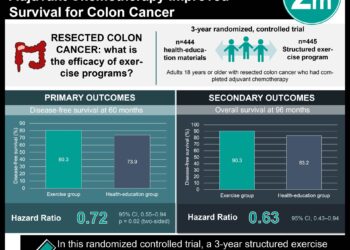
#VisualAbstract: 3-Year Structured Exercise after Adjuvant Chemotherapy Improved Survival for Colon Cancer

Tags: adjuvant chemotherapyclinical observationEpstein-Barr virusEpstein-Barr virus (EBV)head and neck cancernasopharyngealnasopharyngeal cancernasopharyngeal carcinomaplasma EBV (pEBV)plasma EBV DNAradiotherapy
Previous Post

#VisualAbstract: High-dose methylprednisolone vs. dexamethasone for COVID-19 pneumonia

Next Post

#VisualAbstract Cutaneous reactions in children treated with MEK and/or BRAF inhibitors are common and often lead to interruptions or alterations in chemotherapy

RelatedReports

Age and breast cancer risk factors associated with false-positive mammography results
Chronic Disease

The addition of a carboplatin to standard of care adjuvant chemotherapy improves survival outcomes in patients with high-risk, early-stage triple-negative breast cancer

January 12, 2026
Selpercatinib may provide an effective response against RET-mutated thyroid cancer
Chronic Disease

Postoperative radioiodine ablation does not reduce cancer recurrence following thyroidectomy

July 31, 2025
#VisualAbstract: 3-Year Structured Exercise after Adjuvant Chemotherapy Improved Survival for Colon Cancer
StudyGraphics

#VisualAbstract: 3-Year Structured Exercise after Adjuvant Chemotherapy Improved Survival for Colon Cancer

August 7, 2025
#VisualAbstract: Neoadjuvant and Adjuvant Pembrolizumab in Locally Advanced Head and Neck Cancer
StudyGraphics

#VisualAbstract: Neoadjuvant and Adjuvant Pembrolizumab in Locally Advanced Head and Neck Cancer

July 9, 2025
Next Post
#VisualAbstract Cutaneous reactions in children treated with MEK and/or BRAF inhibitors are common and often lead to interruptions or alterations in chemotherapy

#VisualAbstract Cutaneous reactions in children treated with MEK and/or BRAF inhibitors are common and often lead to interruptions or alterations in chemotherapy

Ziltivekimab antagonism of IL-6 reduces inflammation and thrombosis in patients with atherosclerotic risk factors

Wellness Check: Mental Health

2 Minute Medicine® is an award winning, physician-run, expert medical media company. Our content is curated, written and edited by practicing health professionals who have clinical and scientific expertise in their field of reporting. Our editorial management team is comprised of highly-trained MD physicians. Join numerous brands, companies, and hospitals who trust our licensed content.

Recent Reports

  • Pfizer’s Talzenna combo significantly delays prostate cancer progression
  • Bottom-vented bottles may not reduce gastrointestinal discomfort in infants
  • Ketorolac administration after cesarean delivery may reduce postoperative opioid use
License Content
Terms of Use | Disclaimer
Cookie Policy
Privacy Statement (EU)
Disclaimer

×
  • Specialties
    • All Specialties, All Recent Reports
    • Cardiology
    • Chronic Disease
    • Dermatology
    • Emergency
    • Endocrinology
    • Gastroenterology
    • Imaging and Intervention
    • Infectious Disease
    • Nephrology
    • Neurology
    • Obstetrics
    • Oncology
    • Ophthalmology
    • Pediatrics
    • Pharma
    • Preclinical
    • Psychiatry
    • Public Health
    • Pulmonology
    • Rheumatology
    • Surgery
  • Tools
    • EvidencePulse™
    • RVU Search
    • NPI Registry Lookup
  • Pharma
  • AI News
  • The Scan
  • Classics™
    • 2MM+ Online Access
    • Paperback and Ebook
  • Rewinds
  • Partners
    • License Content
    • Submit Press Release
    • Advertise with Us
  • Account
    • Subscribe
    • Sign-in
    • My account
No Result
View All Result

© 2026 2 Minute Medicine, Inc. - Physician-written medical news.