• About
  • Masthead
  • License Content
  • Advertise
  • Submit Press Release
  • RSS/Email List
  • 2MM Podcast
  • Write for us
  • Contact Us
2 Minute Medicine
No Result
View All Result

No products in the cart.

SUBSCRIBE
  • Specialties
    • All Specialties, All Recent Reports
    • Cardiology
    • Chronic Disease
    • Dermatology
    • Emergency
    • Endocrinology
    • Gastroenterology
    • Imaging and Intervention
    • Infectious Disease
    • Nephrology
    • Neurology
    • Obstetrics
    • Oncology
    • Ophthalmology
    • Pediatrics
    • Pharma
    • Preclinical
    • Psychiatry
    • Public Health
    • Pulmonology
    • Rheumatology
    • Surgery
  • Tools
    • EvidencePulse™
    • RVU Search
    • NPI Registry Lookup
  • Pharma
  • AI News
  • The Scan+
  • Classics™+
    • 2MM+ Online Access
    • Paperback and Ebook
  • Rewinds
  • Partners
    • License Content
    • Submit Press Release
    • Advertise with Us
  • Account
    • Subscribe
    • Sign-in
    • My account
2 Minute Medicine
  • Specialties
    • All Specialties, All Recent Reports
    • Cardiology
    • Chronic Disease
    • Dermatology
    • Emergency
    • Endocrinology
    • Gastroenterology
    • Imaging and Intervention
    • Infectious Disease
    • Nephrology
    • Neurology
    • Obstetrics
    • Oncology
    • Ophthalmology
    • Pediatrics
    • Pharma
    • Preclinical
    • Psychiatry
    • Public Health
    • Pulmonology
    • Rheumatology
    • Surgery
  • Tools
    • EvidencePulse™
    • RVU Search
    • NPI Registry Lookup
  • Pharma
  • AI News
  • The Scan+
  • Classics™+
    • 2MM+ Online Access
    • Paperback and Ebook
  • Rewinds
  • Partners
    • License Content
    • Submit Press Release
    • Advertise with Us
  • Account
    • Subscribe
    • Sign-in
    • My account
SUBSCRIBE
2 Minute Medicine
Subscribe
Home All Specialties Infectious Disease

Ziresovir reduces the severity of respiratory syncytial virus in hospitalized infants

byNhat Hung (Benjamin) LamandKiera Liblik
October 11, 2024
in Infectious Disease, Pediatrics, Pulmonology
Reading Time: 3 mins read
0
Share on FacebookShare on Twitter

1. Ziresovir, an antiviral drug targeted at respiratory syncytial virus (RSV), was superior to placebo in reducing signs and symptoms of hospitalized young children with RSV infection.

2. The incidence of adverse events was similar between ziresovir and placebo.

Evidence Rating Level: 1 (Excellent)

Study Rundown: RSV infection, also called bronchiolitis, is a common cause of hospitalization and death among children and the elderly. Although vaccines are available for older adults and pregnant persons, none are approved for children. Currently, approved therapies for severe bronchiolitis have limited efficacy, unfavorable safety profile, and limited indications. Ziresovir is an oral antiviral drug targeting RSV that has shown promise preclinically. This study evaluated ziresovir in treating RSV infections in hospitalized children between 1 and 24 months of age. By day three, ziresovir was superior to placebo in reducing bronchiolitis clinical score from baseline and by day five, in reducing RSV viral load. The incidence of adverse events was comparable between ziresovir and placebo, with the most common being diarrhea, elevated liver enzymes, and rash. Notably, drug resistance-related mutations occurred in 9% of the recipients of high-dose ziresovir. The study was limited by the use of a clinical score that had not been fully validated and by a solely Chinese participant pool. Nonetheless, these findings demonstrated the efficacy of ziresovir in treating RSV and warranted further investigation into its use.

Click here to read the study in NEJM 

In-Depth [randomized controlled trial]: This study was a randomized controlled trial to assess the efficacy and safety of ziresovir in treating RSV infections in infants and younger children. Children between 1 and 24 months of age (adjusted for prematurity) with a body weight between 2.5 and 10kg who were hospitalized with RSV infections confirmed by virologic methods by 36 hours before randomization and a Wang bronchiolitis clinical score ≥5 were eligible for inclusion. Exclusion criteria included human immunodeficiency virus, primary immunodeficiency condition, and concurrent influenza infection or bacterial pneumonia. A total of 311 participants were randomized 2:1 to receive ziresovir every 12 hours for five days. The primary outcome was a change from baseline to day three in the Wang bronchiolitis clinical score, consisting of respiratory rate, wheezing, respiratory muscle reaction, and general condition. By day three, the change from baseline in the Wang bronchiolitis clinical score in the ziresovir group was -3.4 points (95% confidence interval [CI] -3.7 to -3.1), which was significantly greater than -2.7 points in the placebo group (95% CI -3.1 to -2.2) (difference -0.8 points, 95% CI -1.3 to -0.3, p=0.002). Similar improvements were also observed in the subgroups of participants with a baseline Wang clinical score ≥8 (difference -1.0, 95% CI -1.8 to -0.1) and participants at six months of age or younger (difference -1.2, 95% CI -1.9 to -0.6). The incidence of adverse events was comparable between the ziresovir (16%) and the placebo (13%) groups, with the most common being diarrhea (4% and 2%, respectively), elevated liver enzyme (3% in both groups), and rash (2% and 1%, respectively). Drug resistance-related mutations arose in 15 (9%) of participants in the ziresovir group, all of whom received the higher dose of the drug, whereas none was seen in the placebo group. In summary, these findings corroborated results from previous trials of ziresovir and prompted further investigation into its use in treating severe RSV infection.

RELATED REPORTS

Lyme disease is associated with significant health care costs

Baseline cannabis use may not be associated with abstinence from vaping

Tofacitinib may improve patient-reported outcomes in juvenile idiopathic arthritis

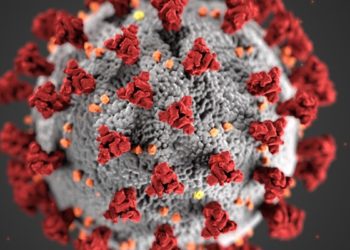
Image: PD

©2024 2 Minute Medicine, Inc. All rights reserved. No works may be reproduced without expressed written consent from 2 Minute Medicine, Inc. Inquire about licensing here. No article should be construed as medical advice and is not intended as such by the authors or by 2 Minute Medicine, Inc.

Tags: infectious diseaseinternal medicinepediatricspulmonologyrespiratory syncytial virusRSVziresovir
Previous Post

Combination of doxorubicin-trabectedin with trabectedin improves leiomyosarcoma outcomes

Next Post

Pomalidomide effective in reducing epistaxis in hereditary hemorrhagic telangiectasia

RelatedReports

Longer duration of antibiotic therapy does not reduce persistent symptoms in Lyme disease
Infectious Disease

Lyme disease is associated with significant health care costs

January 19, 2026
Systematic review examines benefits and adverse effects of cannabinoid therapy
Chronic Disease

Baseline cannabis use may not be associated with abstinence from vaping

January 13, 2026
Parents of children with autism report greater difficulty accessing health care
Chronic Disease

Tofacitinib may improve patient-reported outcomes in juvenile idiopathic arthritis

January 13, 2026
AAP reaffirms support for adolescents’ rights to confidential reproductive care
Chronic Disease

Palliative care from a specialist palliative physician is associated with less aggressive end-of-life interventions in young adults

January 13, 2026
Next Post
Nonleg venous thromboses associated with PE, longer ICU stay

Pomalidomide effective in reducing epistaxis in hereditary hemorrhagic telangiectasia

Intensive rehabilitation not superior to traditional therapy for arm function after stroke

The association between serum S100β levels and prognosis in acute stroke patients after intravenous thrombolysis

Shared decision-making may be limited in PICU end-of-life discussions

Using the DemRisk prediction model to indentify individuals at high risk for dementia in primary care

2 Minute Medicine® is an award winning, physician-run, expert medical media company. Our content is curated, written and edited by practicing health professionals who have clinical and scientific expertise in their field of reporting. Our editorial management team is comprised of highly-trained MD physicians. Join numerous brands, companies, and hospitals who trust our licensed content.

Recent Reports

  • An electronic intervention may increase chances of benzodiazepine cessation
  • Fremanezumab reduces migraine frequency in children and adolescents with episodic migraine
  • Illumina’s billion cell atlas tries to solve artificial intelligence’s data bottleneck in biology
License Content
Terms of Use | Disclaimer
Cookie Policy
Privacy Statement (EU)
Disclaimer

© 2025 2 Minute Medicine, Inc. - Physician-written medical news.

  • Specialties
    • All Specialties, All Recent Reports
    • Cardiology
    • Chronic Disease
    • Dermatology
    • Emergency
    • Endocrinology
    • Gastroenterology
    • Imaging and Intervention
    • Infectious Disease
    • Nephrology
    • Neurology
    • Obstetrics
    • Oncology
    • Ophthalmology
    • Pediatrics
    • Pharma
    • Preclinical
    • Psychiatry
    • Public Health
    • Pulmonology
    • Rheumatology
    • Surgery
  • Tools
    • EvidencePulse™
    • RVU Search
    • NPI Registry Lookup
  • Pharma
  • AI News
  • The Scan
  • Classics™
    • 2MM+ Online Access
    • Paperback and Ebook
  • Rewinds
  • Partners
    • License Content
    • Submit Press Release
    • Advertise with Us
  • Account
    • Subscribe
    • Sign-in
    • My account
No Result
View All Result

© 2025 2 Minute Medicine, Inc. - Physician-written medical news.