2 Minute Medicine Rewind September 15, 2025
1. In patients with inflammatory rheumatic diseases (IRD), digital psychological intervention was associated with improved psychological outcomes and quality of life at 3 months of follow-up.
Evidence Rating Level: 1 (Excellent)
Inflammatory rheumatic diseases (IRD) are a series of diseases, including rheumatoid arthritis (RA) and psoriatic arthritis (PsA), which are becoming more prevalent. Women are disproportionately affected, specifically more prone to systemic lupus erythematosus (SLE). Although these conditions are characterized as physical, many patients also experience significant psychological challenges, such as anxiety and depression. This eventually contributes to a feedback loop, further intensifying physical symptoms and worsening quality of life. Previous studies have demonstrated the effectiveness of cognitive behavioural therapy (CBT) along with other therapy treatments in managing psychological distress in these patients. However, there have been shortages of mental health treatment available for these patients. This randomized controlled trial sought to address these gaps by assessing the effectiveness of a web-based CBT intervention at reducing psychological distress in patients with IRD. The online questionnaires were sent out at baseline, 6 weeks, and 12 weeks. 102 participants (mean [SD] age, 47.2 [12.9] years; 92 [90.2%] female). Change in psychological distress levels was assessed using the Hospital Anxiety and Depression Scale (HADS-D), and quality of life was assessed using the Assessment of Quality of Life-8 Dimensions (AQoL-8D). There was a significantly greater reduction in psychological distress (least-squares mean difference, -3.60 [1.07]; 95% CI, -5.73 to -1.47; P<.001; Cohen d=-0.71) and improvement in quality of life (least-squares mean [SE] difference, 0.04 [0.02]; 95% CI, 0.00-0.09; P=.047; Cohen d=0.49) in the intervention group compared to the control group at follow up. Overall, this study found that the use of online therapy was associated with a reduction in psychological distress and an improvement in quality of life.
1. In this cohort of pregnant individuals, time-restricted eating and high-intensity interval training (HIIT) did not significantly affect gestational diabetes development.
Evidence Rating Level: 1 (Excellent)
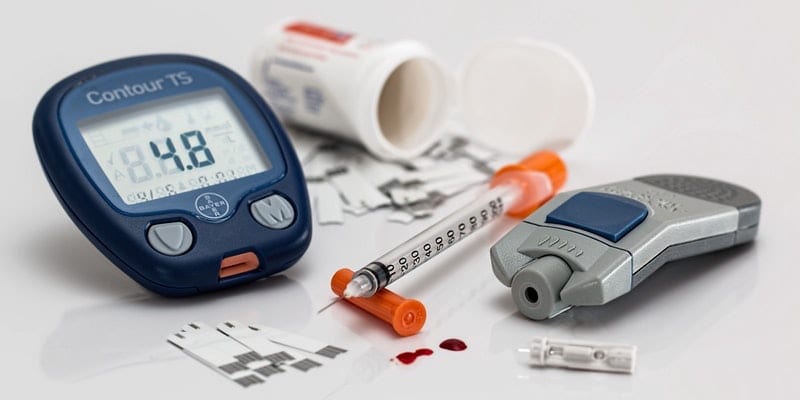
Gestational diabetes (GDM) is a type of high blood sugar diagnosed during pregnancy, driven by factors such as high body mass index (BMI), advanced maternal age, and family history, which can lead to long-term health issues for mother and child. Lifestyle recommendations during pregnancy are recommended; however, these are often difficult to maintain. Previous research has yielded mixed results; therefore, this randomized controlled trial aimed to assess whether combining time-restricted eating and high-intensity interval training (HIIT) would improve blood sugar levels and overall health during pregnancy. Eligible participants were randomized 1:1 to the intervention and control groups, and all participants underwent a 75-g oral glucose tolerance test at gestational week 28. A total of 167 participants were enrolled, with 111 conceiving successfully within the study timeframe. There was no significant difference in two-hour plasma glucose level between the intervention and control groups (mean difference 0.48 mmol/L, 95% confidence interval -0.05 to 1.01, P=0.08). Adherence to both diet and exercise decreased during pregnancy, compared to pre-pregnancy. Overall, this study found that combining time-restricted eating and exercise before and during pregnancy was not associated with significant improvements in blood sugar control at 28 weeks of gestation.
Acupuncture for Chronic Low Back Pain in Older Adults: A Randomized Clinical Trial
1. In older adults with chronic low back pain (CLBP), both standard and enhanced acupuncture treatments significantly improved disability compared to usual medical care, with benefits persisting up to 12 months.
Evidence Rating Level: 1 (Excellent)
Chronic low back pain (CLBP) is the leading cause of disability worldwide, particularly affecting older adults. Traditional treatments such as medications and invasive procedures offer limited benefit and pose a higher risk due to age-related changes and polypharmacy concerns. Acupuncture is a low-risk, effective and guideline-recommended treatment for CLBP; however, there has been a lack of large-scale clinical trials. To address this gap, this randomized clinical trial compared the use of usual medical care (UMC) alone with two acupuncture approaches in adults 65 years and older. 800 participants (mean [SD] age, 73.6 [6.0] years, 62.0% female) were randomized into these three groups in a 1:1:1 ratio. At 6 months, both the standard acupuncture (SA) and SA plus maintenance (enhanced acupuncture [EA]) groups showed significantly improved RMDQ scores compared with the UMC group (SA vs UMC: AMD, −1.0 [95% CI, −1.9 to −0.1] and SMD, −0.21; EA vs UMC: AMD, −1.5 [95% CI, −2.5 to −0.6] and SMD, −0.32). There was no significant difference between the acupuncture groups. EA showed a greater reduction in pain intensity than SA at 6 months, and both were significantly more effective than UMC. Overall, acupuncture use led to significant improvements in CLBP at 6- and 12-month follow-up compared to UMC alone in this group of older adults.
1. In this group of premature monochorionic twins, prenatal arterial ischemic stroke (PAIS) primarily affects the recipient twin and is associated with pregnancy complications.
Evidence Rating Level: 2 (Good)
Prenatal arterial ischemic stroke (PAIS) is a disruption of cerebral blood flow occurring from 20 weeks of gestation until 28 days after birth. PAIS is a leading cause of unilateral cerebral palsy and other neurological issues in children. Much of the previous literature has focused on full-term infants, providing limited evidence on preterm infants. This is especially true for monochorionic twins, who are also at risk due to immature cerebral circulation and unique placental factors. To assess this gap, this retrospective cohort study aimed to determine the timing of PAIS in monochorionic twins and identify risk factors, stroke patterns, and neurodevelopmental outcomes. Participants included 1183 twin pairs born at less than 35 weeks’ gestation, and PAIS was diagnosed in 1 in 18 pairs (1.5%). Pregnancy complications occurred in 89% of cases, with twin-to-twin transfusion syndrome (TTTS) presenting in 13 cases, followed by single fetal demise in 2 cases, and twin anemia polycythemia sequence (TAPS) in 1 case. The timing of strokes was quite similar, with 6 cases occurring antenatal, 7 occurring perinatal, and 5 occurring postnatal. Overall, PAIS occurring in monochorionic twins can occur during the antenatal, perinatal and postnatal period, emphasizing the importance of routine neuroimaging for early detection.
1. In a cohort of women with advanced apical prolapse, laparoscopic sacrocolpopexy (LSC), transvaginal mesh (TVM), and lateral suspension (LLS) were all effective at improving patients’ anatomy and quality of life.
Evidence Rating Level: 2 (Good)
Pelvic organ prolapse (POP) involves the descent of pelvic organs due to a weakened pelvic floor. Apical prolapse, which includes the vaginal vault or uterus, is a complex form often requiring surgery in advanced cases. This retrospective cohort study compares the safety and effectiveness of laparoscopic sacrocolpopexy (LSC), transvaginal mesh (TVM), and lateral suspension (LLS), three different surgical techniques for POP. Quality of life (QoL) was measured by the Pelvic Floor Distress Inventory Questionnaire (PFDI-20) and the Pelvic Floor Impact Questionnaire (PFIQ-20). A total of 98 participants with stage III-IV POP were included in the study. Among those, 35 underwent LSC, 34 underwent TVM, and 29 underwent LLS. Patients who underwent LLS experienced the best surgical outcomes, including the shortest operation time (3.07±0.15 hours vs. LSC: 4.59±0.13 hours, p<0.05), minimal blood loss (64.48±4.62 mL vs. TVM: 116.18±8.10 mL, p<0.05), and shorter hospital stays (5.17±0.20 days vs. TVM: 6.21±0.27 days, p<0.05). All three groups experienced similar complication rates. Postoperative measurements showed significant improvement in pelvic anatomy in all surgical groups (p<0.001), with no signs of apical prolapse recurrence in 2 years of follow-up. Additionally, each group had improvements in QoL. Specifically, patients who underwent TVM surgery with uterine preservation reported significantly better QoL (by way of PFIQ-7 scores) than those who had a hysterectomy (0.96 ± 0.52 vs. 6.60 ± 3.46, p <0.05). Overall, in women with apical POP, undergoing surgery with LSC, TVM, and LLS resulted in significant anatomical restoration and improved quality of life. LLS had the most favourable perioperative outcomes, while TVM with uterine preservation was associated with the best patient-reported quality of life.
Image: PD
©2025 2 Minute Medicine, Inc. All rights reserved. No works may be reproduced without expressed written consent from 2 Minute Medicine, Inc. Inquire about licensing here. No article should be construed as medical advice and is not intended as such by the authors or by 2 Minute Medicine, Inc.