• About
  • Masthead
  • License Content
  • Advertise
  • Submit Press Release
  • RSS/Email List
  • 2MM Podcast
  • Write for us
  • Contact Us
2 Minute Medicine
No Result
View All Result

No products in the cart.

SUBSCRIBE
  • Specialties
    • All Specialties, All Recent Reports
    • Cardiology
    • Chronic Disease
    • Dermatology
    • Emergency
    • Endocrinology
    • Gastroenterology
    • Imaging and Intervention
    • Infectious Disease
    • Nephrology
    • Neurology
    • Obstetrics
    • Oncology
    • Ophthalmology
    • Pediatrics
    • Pharma
    • Preclinical
    • Psychiatry
    • Public Health
    • Pulmonology
    • Rheumatology
    • Surgery
  • Tools
    • EvidencePulse™
    • RVU Search
    • NPI Registry Lookup
  • Pharma
  • AI News
  • The Scan+
  • Classics™+
    • 2MM+ Online Access
    • Paperback and Ebook
  • Rewinds
  • Partners
    • License Content
    • Submit Press Release
    • Advertise with Us
  • Account
    • Subscribe
    • Sign-in
    • My account
2 Minute Medicine
  • Specialties
    • All Specialties, All Recent Reports
    • Cardiology
    • Chronic Disease
    • Dermatology
    • Emergency
    • Endocrinology
    • Gastroenterology
    • Imaging and Intervention
    • Infectious Disease
    • Nephrology
    • Neurology
    • Obstetrics
    • Oncology
    • Ophthalmology
    • Pediatrics
    • Pharma
    • Preclinical
    • Psychiatry
    • Public Health
    • Pulmonology
    • Rheumatology
    • Surgery
  • Tools
    • EvidencePulse™
    • RVU Search
    • NPI Registry Lookup
  • Pharma
  • AI News
  • The Scan+
  • Classics™+
    • 2MM+ Online Access
    • Paperback and Ebook
  • Rewinds
  • Partners
    • License Content
    • Submit Press Release
    • Advertise with Us
  • Account
    • Subscribe
    • Sign-in
    • My account
SUBSCRIBE
2 Minute Medicine
Subscribe
Home All Specialties Cardiology

24-hour ambulatory blood pressure better predicts all-cause mortality than clinic blood pressure
byNeel MistryandTeddy Guo
July 4, 2023
in Cardiology, Chronic Disease
Reading Time: 2 mins read
0
Share on FacebookShare on Twitter

1. All-cause and cardiovascular mortality rates were greater in the 24h systolic blood pressure group than clinic systolic blood pressure group.

2. Night-time systolic blood pressure was most predictive of all-cause and cardiovascular mortality.

Evidence Rating Level: 2 (Good)

Study Rundown: Hypertension is often known as one of the leading causes of cardiovascular morbidity and mortality. While studies suggest that ambulatory monitoring better predicts actual blood pressure compared to measurements taken in the clinic, this association remains unclear. This observational cohort study aimed to determine the association of clinic and 24-hour ambulatory blood pressure with mortality among patients with hypertension. The primary outcome of this study was all-cause and cardiovascular mortality while key secondary outcomes included hypertension types. According to study results, ambulatory blood pressure was more predictive of all-cause and cardiovascular mortality in patients with known hypertension compared to clinic blood pressure. This study was strengthened by a longitudinal median follow-up with patients from various centers across Spain, thus increasing the validity of findings.

Click to read the study in The Lancet

Relevant Reading: Trial of Intensive Blood-Pressure Control in Older Patients with Hypertension

RELATED REPORTS

Telehealth yields modest improvements in diabetes outcomes 

Two scores for risk stratification of adults presenting with syncope may be effective at identifying those with low risk

Resuscitative endovascular balloon occlusion of the aorta may not improve outcomes in adults with non-traumatic out-of-hospital cardiac arrest

In-depth [retrospective cohort]: Between Mar 1, 2004, and Dec 31, 2014, 59 124 patients were included from 223 primary care centers in 17 regions of Spain. Included were patients ≥ 18 years with guideline-directed blood pressure monitoring. The primary outcome of all-cause mortality was greater in the 24h systolic blood pressure group (hazard ratio [HR] 1.41, 95% confidence interval [CI] 1.36-1.47) than in the clinic systolic blood pressure group (HR 1.18, 95% CI 1.13-1.23). Moreover, night-time systolic blood pressure was most predictive of all-cause mortality (591%) and cardiovascular mortality (604%) with the latter being significantly elevated in patients with masked hypertension (HR 1.24, 95% CI 1.12-1.37) and sustained hypertension (HR 1.24, 95% CI 1.15-1.32). Findings from this study suggest that nighttime ambulatory blood pressure monitoring better predicts all-cause mortality than clinic blood pressure.

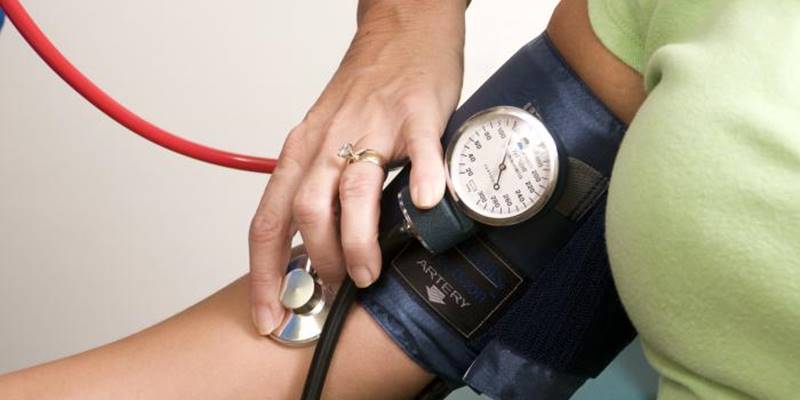
Image: PD

©2023 2 Minute Medicine, Inc. All rights reserved. No works may be reproduced without expressed written consent from 2 Minute Medicine, Inc. Inquire about licensing here. No article should be construed as medical advice and is not intended as such by the authors or by 2 Minute Medicine, Inc.

Tags: 24-hour ambulatory blood pressure monitoringambulatory blood pressureblood pressurecardiologyclinic blood pressureHigh Blood Pressurehypertensionmasked hypertensionsustained hypertensionsystolic blood pressurewhite coat hypertension
Previous Post

Housing insecurity is associated with childhood anxiety and lifelong depression

Next Post

Using serial magnetic resonance imaging to identify age-related brain structure changes

RelatedReports

Chronic Disease

Telehealth yields modest improvements in diabetes outcomes 

June 22, 2026
Computed tomography improves diagnostic certainty in the emergency department
Cardiology

Two scores for risk stratification of adults presenting with syncope may be effective at identifying those with low risk

May 29, 2026
Antiarrhythmic drugs have no survival benefit in shock-refractory out-of-hospital cardiac arrest
Cardiology

Resuscitative endovascular balloon occlusion of the aorta may not improve outcomes in adults with non-traumatic out-of-hospital cardiac arrest

May 14, 2026
PCI not superior to medical therapy alone in stable coronary disease: The COURAGE study
Cardiology

Invasive management for non-ST-segment elevation myocardial infarction in frail patients may not improve mortality

April 30, 2026
Next Post

Using serial magnetic resonance imaging to identify age-related brain structure changes

Whole-person assessments may not yet be suitable for general practice

#VisualAbstract: Perioperative Nivolumab and Chemotherapy in Stage III Non–Small-Cell Lung Cancer

#VisualAbstract: Perioperative Nivolumab and Chemotherapy in Stage III Non–Small-Cell Lung Cancer

2 Minute Medicine® is an award winning, physician-run, expert medical media company. Our content is curated, written and edited by practicing health professionals who have clinical and scientific expertise in their field of reporting. Our editorial management team is comprised of highly-trained MD physicians. Join numerous brands, companies, and hospitals who trust our licensed content.

Recent Reports

  • TikTok’s cortisol face trend meets endocrine reality
  • Semaglutide (Ozempic) raises questions about mood and nonresponse
  • Cruise ship hantavirus outbreak turns into a global contact tracing test
License Content
Terms of Use | Disclaimer
Cookie Policy
Privacy Statement (EU)
Disclaimer
  • Specialties
    • All Specialties, All Recent Reports
    • Cardiology
    • Chronic Disease
    • Dermatology
    • Emergency
    • Endocrinology
    • Gastroenterology
    • Imaging and Intervention
    • Infectious Disease
    • Nephrology
    • Neurology
    • Obstetrics
    • Oncology
    • Ophthalmology
    • Pediatrics
    • Pharma
    • Preclinical
    • Psychiatry
    • Public Health
    • Pulmonology
    • Rheumatology
    • Surgery
  • Tools
    • EvidencePulse™
    • RVU Search
    • NPI Registry Lookup
  • Pharma
  • AI News
  • The Scan
  • Classics™
    • 2MM+ Online Access
    • Paperback and Ebook
  • Rewinds
  • Partners
    • License Content
    • Submit Press Release
    • Advertise with Us
  • Account
    • Subscribe
    • Sign-in
    • My account
No Result
View All Result

© 2026 2 Minute Medicine, Inc. - Physician-written medical news.