

• About
  • Masthead
  • License Content
  • Advertise
  • Submit Press Release
  • RSS/Email List
  • 2MM Podcast
  • Write for us
  • Contact Us
2 Minute Medicine
No Result
View All Result

No products in the cart.

SUBSCRIBE
  • Specialties
    • All Specialties, All Recent Reports
    • Cardiology
    • Chronic Disease
    • Dermatology
    • Emergency
    • Endocrinology
    • Gastroenterology
    • Imaging and Intervention
    • Infectious Disease
    • Nephrology
    • Neurology
    • Obstetrics
    • Oncology
    • Ophthalmology
    • Pediatrics
    • Pharma
    • Preclinical
    • Psychiatry
    • Public Health
    • Pulmonology
    • Rheumatology
    • Surgery
  • Tools
    • EvidencePulse™
    • RVU Search
    • NPI Registry Lookup
  • Pharma
  • AI News
  • The Scan+
  • Classics™+
    • 2MM+ Online Access
    • Paperback and Ebook
  • Rewinds
  • Partners
    • License Content
    • Submit Press Release
    • Advertise with Us
  • Account
    • Subscribe
    • Sign-in
    • My account
2 Minute Medicine
  • Specialties
    • All Specialties, All Recent Reports
    • Cardiology
    • Chronic Disease
    • Dermatology
    • Emergency
    • Endocrinology
    • Gastroenterology
    • Imaging and Intervention
    • Infectious Disease
    • Nephrology
    • Neurology
    • Obstetrics
    • Oncology
    • Ophthalmology
    • Pediatrics
    • Pharma
    • Preclinical
    • Psychiatry
    • Public Health
    • Pulmonology
    • Rheumatology
    • Surgery
  • Tools
    • EvidencePulse™
    • RVU Search
    • NPI Registry Lookup
  • Pharma
  • AI News
  • The Scan+
  • Classics™+
    • 2MM+ Online Access
    • Paperback and Ebook
  • Rewinds
  • Partners
    • License Content
    • Submit Press Release
    • Advertise with Us
  • Account
    • Subscribe
    • Sign-in
    • My account
SUBSCRIBE
2 Minute Medicine
Subscribe
Home All Specialties Cardiology

Most anticoagulants for venous thromboembolism similarly effective
byLisa SaldanhaandPriyanka Vedak
September 18, 2014
in Cardiology, Chronic Disease
Reading Time: 3 mins read
0
Share on FacebookShare on Twitter

1. Apart from the increased thrombosis in 3 month follow up noted with the unfractionated heparin (UFH)-vitamin K antagonist combination, all other treatment options for venous thromboembolism had similar outcomes to low molecular weight heparin (LMWH)-vitamin K antagonists with regards to recurrent thrombosis.

2. Compared to the LMWH-vitamin K antagonist combination, the use of oral anticoagulants (rivaroxaban and apixaban) appeared to decrease the risk of major bleeding episodes.

Evidence Rating Level: 1 (Excellent)

Study Rundown: Venous thromboembolism is clinically managed with anticoagulant therapy to achieve the goal of preventing recurrent thrombosis. While many options exist for anticoagulation, the effectiveness and safety of most these treatments have not been compared.

This network meta-analyses examined the effect of various treatments on venous thromboembolism management. This study identified clinical trials that compared two different anticoagulation treatments in the setting of confirmed symptomatic acute venous thrombosis. The primary outcomes examined were recurrent venous thromboembolism and major bleeding episodes, with a median follow-up of 3 months. Most anticoagulant options demonstrated similar clinical outcomes when compared to LMWH-vitamin K antagonists. However, the UFH-vitamin K antagonist combination demonstrated an increased risk of thrombosis while rivaroxaban and apixaban appeared to decrease the risk of major bleeding episodes.

This study had a clear selection strategy and precise definitions of clinical variables and outcomes. Due to the meta-analyses approach, the sample size (nearly 45,000) was substantial for assessing the primary outcomes of recurrent venous thromboembolism and major bleeding. It further allowed for direct comparisons of several anticoagulant treatment options, which remains important for informing clinical practice. Limitations of this study include potential selection bias and heterogeneity of studies included. Majority of the studies (22) compared the use of the UFH-vitamin K antagonist combination and the LMWH-vitamin K antagonist combination, while only 6 studies compared direct oral anticoagulation with the LMWH-vitamin K antagonist, potentially biasing the analyses. Overall, however, this study highlights the comparable effectiveness of various anticoagulant treatments in the setting of acute venous thromboembolism, with the exception of the UFH-vitamin K antagonist combination.

RELATED REPORTS

Reduced-dose apixaban noninferior to full dose for cancer-associated thrombosis

#VisualAbstract: Reduced-Dose was Not Non-Inferior to Full-Dose Direct Oral Anticoagulants in Venous Thromboembolism Patients

Novel prophylactic anticoagulation scoring tool helps stratify patients following lower limb trauma

Click to read the study in JAMA

Relevant Reading: Treatment of venous thromboembolism

In-Depth [meta-analysis]: This study compared the effect of various anticoagulant treatment options in approximately 45,000 patients diagnosed with acute venous thromboembolism. Forty-five articles were included in the meta-analyses, which associated the use of the UFH-vitamin K antagonist combination with an increased risk of recurrent thrombosis during the 3-month follow-up period. In analyzing major bleeding events, 42 studies were included. Rivaroxaban and apixaban were associated with the lowest bleeding risk (HR, 0.55 and 0.31 respectively) compared to the LMWH-vitamin K antagonist combination. Compared to all other anticoagulant options, apixaban was associated with the greatest probability of being the least harmful (88.9%).

More from this author: No mortality benefit with bilateral mastectomy vs breast-conserving surgery

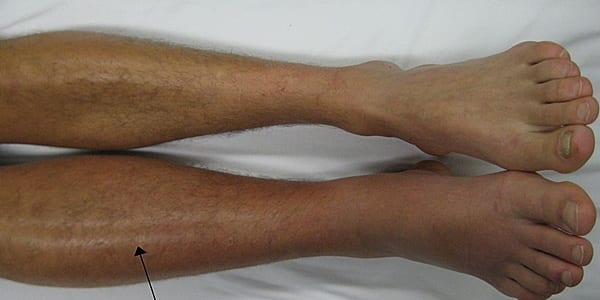
Image: CC/Heilman

©2012-2014 2minutemedicine.com. All rights reserved. No works may be reproduced without expressed written consent from 2minutemedicine.com. Disclaimer: We present factual information directly from peer reviewed medical journals. No post should be construed as medical advice and is not intended as such by the authors, editors, staff or by 2minutemedicine.com. PLEASE SEE A HEALTHCARE PROVIDER IN YOUR AREA IF YOU SEEK MEDICAL ADVICE OF ANY SORT.

Tags: dvtvenous thromboembolism
Previous Post

TASTE trial: Thrombus aspiration before PCI in STEMI does not reduce mortality

Next Post

Ultrasound as effective as CT at identifying high-risk kidney stones, reduces radiation exposure

RelatedReports

Thrombophilia-associated stillbirth risk appears limited to factor V Leiden
Hematology

Reduced-dose apixaban noninferior to full dose for cancer-associated thrombosis

May 20, 2025
#VisualAbstract: Reduced-Dose was Not Non-Inferior to Full-Dose Direct Oral Anticoagulants in Venous Thromboembolism Patients
StudyGraphics

#VisualAbstract: Reduced-Dose was Not Non-Inferior to Full-Dose Direct Oral Anticoagulants in Venous Thromboembolism Patients

March 10, 2025
Thrombophilia-associated stillbirth risk appears limited to factor V Leiden
Chronic Disease

Novel prophylactic anticoagulation scoring tool helps stratify patients following lower limb trauma

April 11, 2024
Validation of prediction tool for pediatric head trauma etiology
Cardiology

Higher quantity of rib fractures may be a risk factor for venous thromboembolism

February 26, 2024
Next Post
Renal stones in women linked with increased risk of coronary heart disease

Ultrasound as effective as CT at identifying high-risk kidney stones, reduces radiation exposure

Comorbidities of head and neck cancer may drive malnutrition

PET-CT bests contrast CT for response assessment of lymphoma

Conservative treatment of recurrent ovarian tumors may preserve fertility

Clinically undetectable ovarian and tubal tumors may be present in high-risk patients

2 Minute Medicine® is an award winning, physician-run, expert medical media company. Our content is curated, written and edited by practicing health professionals who have clinical and scientific expertise in their field of reporting. Our editorial management team is comprised of highly-trained MD physicians. Join numerous brands, companies, and hospitals who trust our licensed content.

Recent Reports

  • One in Six Medicare Beneficiaries Use Telehealth for Essential Care
  • Glucagon-like peptide-1 receptor agonists may reduce endometrial cancer risk in endometrial hyperplasia
  • Deep-learning models displayed expert-level accuracy in detecting epileptiform discharges on electroencephalogram (EEG) recordings
License Content
Terms of Use | Disclaimer
Cookie Policy
Privacy Statement (EU)
Disclaimer

© 2025 2 Minute Medicine, Inc. - Physician-written medical news.

  • Specialties
    • All Specialties, All Recent Reports
    • Cardiology
    • Chronic Disease
    • Dermatology
    • Emergency
    • Endocrinology
    • Gastroenterology
    • Imaging and Intervention
    • Infectious Disease
    • Nephrology
    • Neurology
    • Obstetrics
    • Oncology
    • Ophthalmology
    • Pediatrics
    • Pharma
    • Preclinical
    • Psychiatry
    • Public Health
    • Pulmonology
    • Rheumatology
    • Surgery
  • Tools
    • EvidencePulse™
    • RVU Search
    • NPI Registry Lookup
  • Pharma
  • AI News
  • The Scan
  • Classics™
    • 2MM+ Online Access
    • Paperback and Ebook
  • Rewinds
  • Partners
    • License Content
    • Submit Press Release
    • Advertise with Us
  • Account
    • Subscribe
    • Sign-in
    • My account
No Result
View All Result

© 2025 2 Minute Medicine, Inc. - Physician-written medical news.