• About
  • Masthead
  • License Content
  • Advertise
  • Submit Press Release
  • RSS/Email List
  • 2MM Podcast
  • Write for us
  • Contact Us
2 Minute Medicine
No Result
View All Result

No products in the cart.

SUBSCRIBE
  • About
  • Specialties
    • All Specialties, All Recent Reports
    • Cardiology
    • Chronic Disease
    • Dermatology
    • Emergency
    • Endocrinology
    • Gastroenterology
    • Imaging and Intervention
    • Infectious Disease
    • Nephrology
    • Neurology
    • Obstetrics
    • Oncology
    • Ophthalmology
    • Pediatrics
    • Pharma
    • Preclinical
    • Psychiatry
    • Public Health
    • Pulmonology
    • Rheumatology
    • Surgery
  • Tools+
    • EvidencePulse™
    • HypeCheck™
    • NPI Registry Lookup
    • RVU Search
  • Pharma
  • AI Roundup
  • The Scan+
  • Classics™+
    • 2MM+ Online Access
    • Paperback and Ebook
  • Rewinds
  • Partners
    • License Content
    • Submit Press Release
    • Advertise with Us
  • Account
    • Subscribe
    • My account
    • Cart
    • Sign-in
2 Minute Medicine
  • About
  • Specialties
    • All Specialties, All Recent Reports
    • Cardiology
    • Chronic Disease
    • Dermatology
    • Emergency
    • Endocrinology
    • Gastroenterology
    • Imaging and Intervention
    • Infectious Disease
    • Nephrology
    • Neurology
    • Obstetrics
    • Oncology
    • Ophthalmology
    • Pediatrics
    • Pharma
    • Preclinical
    • Psychiatry
    • Public Health
    • Pulmonology
    • Rheumatology
    • Surgery
  • Tools+
    • EvidencePulse™
    • HypeCheck™
    • NPI Registry Lookup
    • RVU Search
  • Pharma
  • AI Roundup
  • The Scan+
  • Classics™+
    • 2MM+ Online Access
    • Paperback and Ebook
  • Rewinds
  • Partners
    • License Content
    • Submit Press Release
    • Advertise with Us
  • Account
    • Subscribe
    • My account
    • Cart
    • Sign-in
SUBSCRIBE
2 Minute Medicine
Subscribe
EvidencePulse™ by 2 Minute Medicine 2026 evidence scan 3 reports You asked top stroke trials 2026 Synthesizing medical evidence... Top 2026 stroke trial results: OCEANIC — ischemic stroke: 6.2% vs 8.4% OPTION* — mRS 0–1: 43.6% vs 34.2% ORIENTAL* — mRS 0–2: 58.6% vs 46.6% *Higher sICH in intervention arms Participants randomizedN OCEANIC 12,327 OPTION 570 ORIENTAL 564 Ask about guidelines or landmark trials... ↑ Try EvidencePulse™ Ask the evidence.
Get the signal.
Try it now → Physician-trained medical AI by 2 Minute Medicine
Home All Specialties Cardiology

Early rhythm control for atrial fibrillation reduces the risk of adverse cardiovascular events

byDavid XiangandKiera Liblik
September 13, 2022
in Cardiology, Chronic Disease
Reading Time: 3 mins read
Rilonacept may lower pericarditis recurrence in patients with relapsing pericarditis
Share on FacebookShare on Twitter

1. Early rhythm control for atrial fibrillation (AF) was associated with a significantly reduced risk of an adverse cardiovascular event. 

2. Early rhythm control for AF caused no significant risk increase for adverse safety outcomes.

Evidence Rating Level: 1 (Excellent)

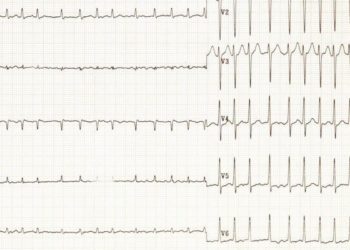
Study Rundown: AF is associated with an increased risk of adverse cardiovascular events such as congestive heart failure as well as other diseases, including stroke. Rate control is integral to the management of AF, though rhythm control also helps to ameliorate symptoms and improve quality of life. Previous trials have demonstrated that rhythm control therapy was associated with a lower risk for adverse cardiovascular outcomes compared to usual care among patients diagnosed with AF in the previous year. However, there is a knowledge gap in understanding the association between early rhythm control and cardiovascular outcomes as stratified by the previous trial’s eligibility compared with rate control. This study found that the clinical benefit associated with early rhythm control and reducing cardiovascular outcomes were consistently observed in low-risk AF patients. This study was limited by factors such as not studying the burden of AF. There were also unmeasured confounders such as anticoagulation quality and lifestyle factors including obesity, alcohol intake, and physical activity. Nevertheless, the study findings are significant, as they demonstrate that early rhythm control in patients with AF provides a significant benefit in reducing the risk of adverse outcomes such as cardiovascular events or stroke.

Click to read the study in AIM

Relevant Reading: Effectiveness and Safety of Direct Oral Anticoagulants Versus Warfarin in Patients With Valvular Atrial Fibrillation

RELATED REPORTS

Chronic exposure to particulate matter is associated with increased cardiovascular risk

Apixaban (Eliquis) is associated with reduced rates of ischemic stroke and bleeding in patients with atrial fibrillation and advanced chronic kidney disease compared with warfarin (Coumadin)

2 Minute Medicine Rewind September 7, 2026

In-Depth [retrospective cohort study]: This population-based retrospective cohort study examined the nationwide claims database of the Korean National Health Insurance Service. Patients who were greater than 18 years old with AF who were treated with rhythm control or rate control between July 2011 and December 2015 were eligible for the study. Patients who died within 180 days of their first record of a prescription or procedure were excluded from the study. The primary outcome measured was a composite of death from cardiovascular causes, ischemic stroke, hospitalization due to heart failure, or acute myocardial infarction. Outcomes in the primary analysis were assessed via subgroup analyses with interaction tests and time-varying regression analyses. Based on the primary analysis, among the patients eligible for the initial trial, those who had received early rhythm control were associated with a lower risk for the primary composite outcome as compared to rate control (Hazard Ratio [HR] 0.86; 95% Confidence Interval [CI] 0.81 to 0.92). Among the low-risk patients who did not meet the inclusion criteria for the original trial, early rhythm control was also consistently associated with a lower risk for the primary composite outcome (HR 0.81, 95% CI 0.66 to 0.98). Additionally, no statistically significant differences were found in safety outcomes between the rhythm and rate control strategies. Overall, this study demonstrates that early rhythm control is associated with a significantly reduced risk of cardiovascular complications such as myocardial infarction or heart failure and risks of developing stroke.

Image: PD

©2022 2 Minute Medicine, Inc. All rights reserved. No works may be reproduced without expressed written consent from 2 Minute Medicine, Inc. Inquire about licensing here. No article should be construed as medical advice and is not intended as such by the authors or by 2 Minute Medicine, Inc.

Tags: adverse cardiovascular eventarrhythmiaatrial fibrillationCardiac Arrhythmiascardiologychronic diseaseearly rhythm controlheart failuremyocardial infarctionrhythm controlstroke
Previous Post

Litifilimab improves symptom burden for patients with systemic lupus erythematosus

Next Post

SGLT-2 inhibitors provide morbidity and mortality benefits for patients with heart failure

RelatedReports

Cardiology

Chronic exposure to particulate matter is associated with increased cardiovascular risk

September 10, 2026
Nephrology

Apixaban (Eliquis) is associated with reduced rates of ischemic stroke and bleeding in patients with atrial fibrillation and advanced chronic kidney disease compared with warfarin (Coumadin)

September 9, 2026
Long-term outcomes for off-pump and on-pump CABG are similar
Weekly Rewinds

2 Minute Medicine Rewind September 7, 2026

September 7, 2026
Rivaroxaban likely reduces risk of recurrent stroke in specific subgroup of patients with embolic stroke of undetermined source
Cardiology

The mortality in-hospital for patients undergoing elective catheter ablation for atrial fibrillation is low

September 4, 2026
Next Post
The POET trial: oral antibiotics in stable endocarditis patients noninferior to intravenous treatment

SGLT-2 inhibitors provide morbidity and mortality benefits for patients with heart failure

#VisualAbstract: Functional testing nonsuperior to routine care for percutaneous coronary intervention patients

#VisualAbstract: Functional testing nonsuperior to routine care for percutaneous coronary intervention patients

Large proportion of late preterm infants and older admitted to the NICU

Children with inborn errors of metabolism have increased risk of long-term mortality

EvidencePulse™ by 2 Minute Medicine 2026 evidence scan 3 reports You asked top stroke trials 2026 Synthesizing medical evidence... Top 2026 stroke trial results: OCEANIC — ischemic stroke: 6.2% vs 8.4% OPTION* — mRS 0–1: 43.6% vs 34.2% ORIENTAL* — mRS 0–2: 58.6% vs 46.6% *Higher sICH in intervention arms Participants randomizedN OCEANIC 12,327 OPTION 570 ORIENTAL 564 Ask about guidelines or landmark trials... ↑ Try EvidencePulse™ Ask the evidence.
Get the signal.
Try it now → Physician-trained medical AI by 2 Minute Medicine

2MM+ All Access

Full details →
$4.99 /month

5-day free trial · cancel anytime

  • ✓100+ physician-written reports
  • ✓EvidencePulse™ + HypeCheck™
  • ✓Ad-free reading + newsletters
Start 5-day free trial

Then $4.99/month. Manage renewal in your account.

2 Minute Medicine® is an award winning, physician-run, expert medical media company. Our content is curated, written and edited by practicing health professionals who have clinical and scientific expertise in their field of reporting. Our editorial management team is comprised of highly-trained MD physicians. Join numerous brands, companies, and hospitals who trust our licensed content.

Recent Reports

  • 2 Minute Medicine Rewind September 21, 2026
  • The rate of urethrocutaneous fistula following caudal and penile blocks for hypospadias repair may be similar
  • Adjuvant chemotherapy not linked to improved outcomes in localized appendiceal adenocarcinoma
License Content
Terms of Use | Disclaimer
Cookie Policy
Cleantalk Pixel
2MM+ All Access Full details →

The medical literature, distilled daily.

Monthly plan selected: $4.99 /month.

$4.99/month

5-day free trial · cancel anytime

Start 5-day free trial

Then $4.99/month. Manage renewal in your account.

Yearly plan selected: $49.90 /year.

$49.90/year

2 months free · only $4.16/month

Start 5-day free trial

Then $49.90/year. Manage renewal in your account.

Membership benefits

  • ✓100+ physician-written reports
  • ✓AI EvidencePulse™ + HypeCheck™
  • ✓Ad-free reading + newsletters

Already a member? Sign in

  • About
  • Specialties
    • All Specialties, All Recent Reports
    • Cardiology
    • Chronic Disease
    • Dermatology
    • Emergency
    • Endocrinology
    • Gastroenterology
    • Imaging and Intervention
    • Infectious Disease
    • Nephrology
    • Neurology
    • Obstetrics
    • Oncology
    • Ophthalmology
    • Pediatrics
    • Pharma
    • Preclinical
    • Psychiatry
    • Public Health
    • Pulmonology
    • Rheumatology
    • Surgery
  • Tools
    • EvidencePulse™
    • HypeCheck™
    • NPI Registry Lookup
    • RVU Search
  • Pharma
  • AI Roundup
  • The Scan
  • Classics™
    • 2MM+ Online Access
    • Paperback and Ebook
  • Rewinds
  • Partners
    • License Content
    • Submit Press Release
    • Advertise with Us
  • Account
    • Subscribe
    • My account
    • Cart
    • Sign-in
No Result
View All Result

© 2026 2 Minute Medicine, Inc. - Physician-written medical news.