• About
  • Masthead
  • License Content
  • Advertise
  • Submit Press Release
  • RSS/Email List
  • 2MM Podcast
  • Write for us
  • Contact Us
2 Minute Medicine
No Result
View All Result

No products in the cart.

SUBSCRIBE
  • Specialties
    • All Specialties, All Recent Reports
    • Cardiology
    • Chronic Disease
    • Dermatology
    • Emergency
    • Endocrinology
    • Gastroenterology
    • Imaging and Intervention
    • Infectious Disease
    • Nephrology
    • Neurology
    • Obstetrics
    • Oncology
    • Ophthalmology
    • Pediatrics
    • Pharma
    • Preclinical
    • Psychiatry
    • Public Health
    • Pulmonology
    • Rheumatology
    • Surgery
  • Tools
    • EvidencePulse™
    • RVU Search
    • NPI Registry Lookup
  • Pharma
  • AI News
  • The Scan+
  • Classics™+
    • 2MM+ Online Access
    • Paperback and Ebook
  • Rewinds
  • Partners
    • License Content
    • Submit Press Release
    • Advertise with Us
  • Account
    • Subscribe
    • Sign-in
    • My account
2 Minute Medicine
  • Specialties
    • All Specialties, All Recent Reports
    • Cardiology
    • Chronic Disease
    • Dermatology
    • Emergency
    • Endocrinology
    • Gastroenterology
    • Imaging and Intervention
    • Infectious Disease
    • Nephrology
    • Neurology
    • Obstetrics
    • Oncology
    • Ophthalmology
    • Pediatrics
    • Pharma
    • Preclinical
    • Psychiatry
    • Public Health
    • Pulmonology
    • Rheumatology
    • Surgery
  • Tools
    • EvidencePulse™
    • RVU Search
    • NPI Registry Lookup
  • Pharma
  • AI News
  • The Scan+
  • Classics™+
    • 2MM+ Online Access
    • Paperback and Ebook
  • Rewinds
  • Partners
    • License Content
    • Submit Press Release
    • Advertise with Us
  • Account
    • Subscribe
    • Sign-in
    • My account
SUBSCRIBE
2 Minute Medicine
Subscribe
Home All Specialties Cardiology

Low-molecular weight heparin bridging therapy safe in elderly undergoing surgery following percutaneous coronary intervention
byJayden BerdugoandAlex Chan
April 29, 2024
in Cardiology, Chronic Disease, Hematology, Surgery
Reading Time: 2 mins read
0
Share on FacebookShare on Twitter

Impact of perioperative low-molecular-weight heparin therapy on clinical events of elderly patients with prior coronary stents implanted > 12 months undergoing non-cardiac surgery: a randomized, placebo-controlled trial

1. A randomized control trial found low-molecular weight heparin (LMWH) bridging therapy did not increase the frequency of perioperative acute myocardial infarction (MI), cardiac death, stroke, or major bleeding in elderly individuals that underwent surgery > 12 months after percutaneous coronary intervention (PCI) compared to the non-bridging group.  

Evidence Rating Level: 1 (Excellent) 

Many patients with coronary stents on antiplatelet drugs do not need invasive treatments, and it is key to examine their perioperative management. To understand the efficacy and safety of low molecular weight heparin (LMWH) bridging therapy for antiplatelet drug discontinuation, a randomized controlled trial recruited 2490 patients (of which 14 did not participate) from the Chinese PLA General Hospital. The patients were randomized in a 1:1 ratio to either receive LMWH bridging therapy with dalteparin sodium (2500 IU administered subcutaneously twice daily) or no bridging therapy (a matching subcutaneous placebo). The LMWH was paused during the surgery period, with the last dose given 24 hours before surgery and resuming LMWH 24 hours after surgery for those with low-to-moderate bleeding risk, and 48-72 hours later for those with a high bleeding risk. The LMWH bridging therapy group was assigned 1242 patients, while the placebo group was assigned 1234 patients. Aspirin was used to treat 1975 (79.77%) of patients, while clopidogrel was used to treat 386 (15.59%) patients. A significantly higher proportion of patients in the placebo (non-bridging) group were treated for two-vessel disease (46.76% vs. 41.94%, p = 0.016), while a lower proportion of patients were treated for a single-vessel disease (39.14% vs. 45.00%, p = 0.003). No significant difference was observed between the type of stent used in the two groups (p = 0.471). The experimental group had a lower rate of the combined endpoint when compared to the placebo group (5.79% vs. 8.42%, p = 0.012) and a lower rate of MI incidence (3.14% vs. 5.19%, p = 0.011) during the thirty-day follow-up period. The non-bridging group had a higher frequency of deep vein thrombosis compared to the bridging group (1.21% vs. 0.4%, p = 0.024) and a trend showed that there were more pulmonary embolisms in the non-bridging group comparatively (0.32% vs. 0.08%, p = 0.177). Independent predictors of ischemic events included LMWH bridging, creatinine clearance <30 mL/min, preoperative hemoglobin < 10 g/dL, and diabetes mellitus. While independent predictors of minor bleeding events included LMWH bridging, and a preoperative platelet count of < 70 x 109 /L. Overall, perioperative LMWH bridging was safe and efficacious for elderly patients who received coronary stents > 12 months prior undergoing non-cardiac surgery. 

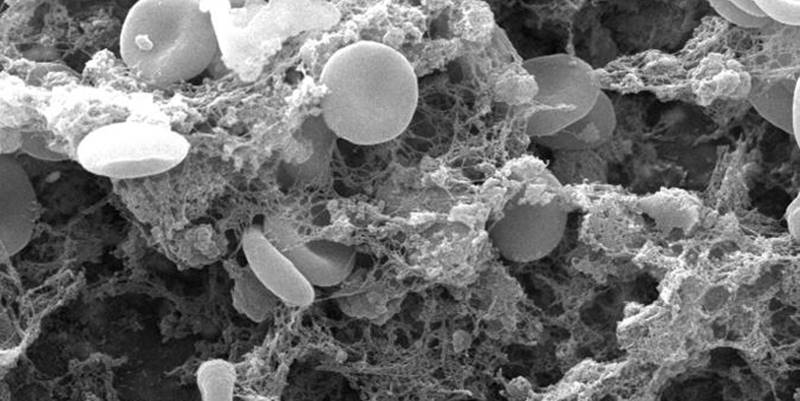
Image: PD

©2024 2 Minute Medicine, Inc. All rights reserved. No works may be reproduced without expressed written consent from 2 Minute Medicine, Inc. Inquire about licensing here. No article should be construed as medical advice and is not intended as such by the authors or by 2 Minute Medicine, Inc. 

RELATED REPORTS

2 Minute Medicine: Pharma Roundup – Pfizer’s Talzenna delays prostate cancer progression, apixaban lowers VTE bleeding risk, Lilly’s retatrutide hits Phase III metabolic targets, and FDA warns Novo Nordisk over safety reporting violations [March 2026]

Lifestyle factors including higher body mass index and smoking are associated with changes in left-atrial size and function

Sodium-glucose cotransporter 2 inhibitors may improve left ventricular diastolic function in hypertrophic cardiomyopathy

Tags: cardiologymyocardial infarctionPCIthrombosis
Previous Post

Gefitinib with Chemotherapy in EGFR-Mutated Lung Cancer

Next Post

Valneva Gears Up To Launch The First Ever Chikungunya Virus Vaccine

RelatedReports

2 Minute Medicine: Pharma Roundup: Price Hikes, Breakthrough Approvals, Legal Showdowns, Biotech Expansion, and Europe’s Pricing Debate [May 12nd, 2025]
Endocrinology

2 Minute Medicine: Pharma Roundup – Pfizer’s Talzenna delays prostate cancer progression, apixaban lowers VTE bleeding risk, Lilly’s retatrutide hits Phase III metabolic targets, and FDA warns Novo Nordisk over safety reporting violations [March 2026]

March 30, 2026
Cardiology

Lifestyle factors including higher body mass index and smoking are associated with changes in left-atrial size and function

March 3, 2026
Remote patient monitoring did not reduce heart failure readmissions: The BEAT-HF trial
Cardiology

Sodium-glucose cotransporter 2 inhibitors may improve left ventricular diastolic function in hypertrophic cardiomyopathy

February 17, 2026
Mutation linked with decrease in cutaneous diffuse large B-cell lymphoma
Weekly Rewinds

2 Minute Medicine Rewind February 16, 2026

February 16, 2026
Next Post
Influenza vaccine not associated with increased risk of epilepsy in children

Valneva Gears Up To Launch The First Ever Chikungunya Virus Vaccine

Adalimumab aids in control of noninfectious uveitis

Nanoscope Therapeutics: Gene Therapy Improves Visual Acuity in Patients with Retinitis Pigmentosa

Wound surgical device found ineffective at infection control: ROSSINI Trial

Lumicell: Injectable imaging agent illuminates residual breast cancer tissue during surgery to ensure tumor removal.

2 Minute Medicine® is an award winning, physician-run, expert medical media company. Our content is curated, written and edited by practicing health professionals who have clinical and scientific expertise in their field of reporting. Our editorial management team is comprised of highly-trained MD physicians. Join numerous brands, companies, and hospitals who trust our licensed content.

Recent Reports

  • Placental abruption during pregnancy is not associated with increased risk of cardiovascular mortality in children
  • Pfizer’s Talzenna combo significantly delays prostate cancer progression
  • Bottom-vented bottles may not reduce gastrointestinal discomfort in infants
License Content
Terms of Use | Disclaimer
Cookie Policy
Privacy Statement (EU)
Disclaimer

The Classics in Medicine Paperback Released!

Over the past 30 years, the transition from print to digital media has contributed to an exponential increase in medical literature. In response, 2 Minute Medicine presents 160+ authoritative, physician-written summaries of the most cited landmark trials in medicine.

amazon-logo_blackGet-it-on-iBooks-badge

Click anywhere to close this announcement

  • Specialties
    • All Specialties, All Recent Reports
    • Cardiology
    • Chronic Disease
    • Dermatology
    • Emergency
    • Endocrinology
    • Gastroenterology
    • Imaging and Intervention
    • Infectious Disease
    • Nephrology
    • Neurology
    • Obstetrics
    • Oncology
    • Ophthalmology
    • Pediatrics
    • Pharma
    • Preclinical
    • Psychiatry
    • Public Health
    • Pulmonology
    • Rheumatology
    • Surgery
  • Tools
    • EvidencePulse™
    • RVU Search
    • NPI Registry Lookup
  • Pharma
  • AI News
  • The Scan
  • Classics™
    • 2MM+ Online Access
    • Paperback and Ebook
  • Rewinds
  • Partners
    • License Content
    • Submit Press Release
    • Advertise with Us
  • Account
    • Subscribe
    • Sign-in
    • My account
No Result
View All Result

© 2026 2 Minute Medicine, Inc. - Physician-written medical news.