• About
  • Masthead
  • License Content
  • Advertise
  • Submit Press Release
  • RSS/Email List
  • 2MM Podcast
  • Write for us
  • Contact Us
2 Minute Medicine
No Result
View All Result

No products in the cart.

SUBSCRIBE
  • About
  • Specialties
    • All Specialties, All Recent Reports
    • Cardiology
    • Chronic Disease
    • Dermatology
    • Emergency
    • Endocrinology
    • Gastroenterology
    • Imaging and Intervention
    • Infectious Disease
    • Nephrology
    • Neurology
    • Obstetrics
    • Oncology
    • Ophthalmology
    • Pediatrics
    • Pharma
    • Preclinical
    • Psychiatry
    • Public Health
    • Pulmonology
    • Rheumatology
    • Surgery
  • Tools+
    • EvidencePulse™
    • HypeCheck™
    • NPI Registry Lookup
    • RVU Search
  • Pharma
  • AI Roundup
  • The Scan+
  • Classics™+
    • 2MM+ Online Access
    • Paperback and Ebook
  • Rewinds
  • Partners
    • License Content
    • Submit Press Release
    • Advertise with Us
  • Account
    • Subscribe
    • My account
    • Cart
    • Sign-in
2 Minute Medicine
  • About
  • Specialties
    • All Specialties, All Recent Reports
    • Cardiology
    • Chronic Disease
    • Dermatology
    • Emergency
    • Endocrinology
    • Gastroenterology
    • Imaging and Intervention
    • Infectious Disease
    • Nephrology
    • Neurology
    • Obstetrics
    • Oncology
    • Ophthalmology
    • Pediatrics
    • Pharma
    • Preclinical
    • Psychiatry
    • Public Health
    • Pulmonology
    • Rheumatology
    • Surgery
  • Tools+
    • EvidencePulse™
    • HypeCheck™
    • NPI Registry Lookup
    • RVU Search
  • Pharma
  • AI Roundup
  • The Scan+
  • Classics™+
    • 2MM+ Online Access
    • Paperback and Ebook
  • Rewinds
  • Partners
    • License Content
    • Submit Press Release
    • Advertise with Us
  • Account
    • Subscribe
    • My account
    • Cart
    • Sign-in
SUBSCRIBE
2 Minute Medicine
Subscribe
EvidencePulse™ by 2 Minute Medicine 2026 evidence scan 3 reports You asked top stroke trials 2026 Synthesizing medical evidence... Top 2026 stroke trial results: OCEANIC — ischemic stroke: 6.2% vs 8.4% OPTION* — mRS 0–1: 43.6% vs 34.2% ORIENTAL* — mRS 0–2: 58.6% vs 46.6% *Higher sICH in intervention arms Participants randomizedN OCEANIC 12,327 OPTION 570 ORIENTAL 564 Ask about guidelines or landmark trials... ↑ Try EvidencePulse™ Ask the evidence.
Get the signal.
Try it now → Physician-trained medical AI by 2 Minute Medicine
Home All Specialties Cardiology

Intraosseous and intravenous vascular access are equally effective for ROSC following out-of-hospital cardiac arrest

byAnna YangandKiera Liblik
August 29, 2026
in Cardiology, Emergency
Reading Time: 3 mins read
Socioeconomically disadvantaged neighborhoods linked to increased rehospitalization rates
Share on FacebookShare on Twitter

1. In this randomized clinical trial, among patients who had an out-of-hospital cardiac arrest, no significant difference was found in sustained return of spontaneous circulation between intraosseous and intravenous vascular access.

2. Rates of survival and survival with a favorable neurologic outcome at 30 days were also similar between the two groups.

Evidence Rating Level: 1 (Excellent)

Study Rundown: Out-of-hospital cardiac arrest is a common event that is associated with high mortality. Current international guidelines recommend the use of epinephrine, in some cases in combination with amiodarone or lidocaine, in these situations, and administration of these drugs requires the establishment of vascular access. Both intravenous and intraosseous vascular access are routinely attempted during out-of-hospital cardiac arrest for this purpose, but international guidelines recommend the use of intravenous access, albeit with a very low certainty of evidence. The present trial assessed the efficacy of intraosseous vascular access compared with intravenous vascular access for sustained return of spontaneous circulation during out-of-hospital cardiac arrest. Compared with intravenous vascular access, intraosseous vascular access resulted in similar incidences of sustained return of spontaneous circulation. Furthermore, there were no significant differences in survival at 30 days or survival at 30 days with a favorable neurologic outcome between the two groups. Limitations of the study included treating clinicians being aware of trial-group assignments and the study not being powered for analysis of more patient-centered long-term outcomes, which would require a larger sample size. Nevertheless, these findings provide valuable insight that the efficacy of drugs given during cardiac arrest does not depend significantly on the route of administration.

Click to read the study in NEJM

In-Depth [randomized controlled trial]: This randomized superiority trial assessed the efficacy of intraosseous vascular access compared with intravenous vascular access concerning the sustained return of spontaneous circulation during out-of-hospital cardiac arrest. Patients 18 years of age or older for whom vascular access was indicated during an out-of-hospital cardiac arrest, and who did not have a suspected traumatic cause of the cardiac arrest, were included. The primary outcome was a sustained return of spontaneous circulation, defined as a palpable pulse or other signs of circulation with no further use of chest compressions for at least 20 minutes. A total of 1,479 patients were included in the study, with 731 assigned to the intraosseous group and 748 assigned to the intravenous group. A sustained return of spontaneous circulation occurred in 30% of patients in the intraosseous group, compared with 29% of patients in the intravenous group (risk ratio, 1.06; 95% Confidence Interval [CI], 0.90 to 1.24; P=0.49). Additionally, at 30 days, 12% of patients in the intraosseous group were alive, compared with 10% of patients in the intravenous group (risk ratio, 1.16; 95% CI, 0.87 to 1.56) and 9% of patients in the intraosseous group had a favorable neurologic outcome compared with 8% in the intravenous group (risk ratio, 1.16; 95% CI, 0.83 to 1.62). With regard to safety, adverse events were uncommon and limited to extravasation, bradyarrhythmia, and ventricular tachyarrhythmia. In summary, among patients who had an out-of-hospital cardiac arrest, there was no significant difference in sustained return of spontaneous circulation, survival at 30 days, or survival at 30 days with a favorable neurologic outcome between patients who underwent intraosseous vascular access compared with intravenous vascular access.

RELATED REPORTS

Two scores for risk stratification of adults presenting with syncope may be effective at identifying those with low risk

Adjuvanted influenza vaccines and high-dose influenza vaccines may have similar effectiveness in adult patients

Resuscitative endovascular balloon occlusion of the aorta may not improve outcomes in adults with non-traumatic out-of-hospital cardiac arrest

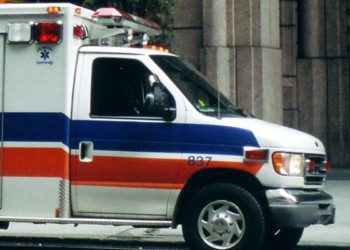
Image: PD

©2025 2 Minute Medicine, Inc. All rights reserved. No works may be reproduced without expressed written consent from 2 Minute Medicine, Inc. Inquire about licensing here. No article should be construed as medical advice and is not intended as such by the authors or by 2 Minute Medicine, Inc.

Tags: #cardiologycardiac arrestemergencyOHCAROSC
Previous Post

Intraosseous drug administration does not improve survival in out of hospital cardiac arrest

Next Post

Abelacimab reduces bleeding risk compared to rivaroxaban in atrial fibrillation

RelatedReports

Computed tomography improves diagnostic certainty in the emergency department
Cardiology

Two scores for risk stratification of adults presenting with syncope may be effective at identifying those with low risk

May 29, 2026
Live attenuated vaccine less effective in recent influenza season
Emergency

Adjuvanted influenza vaccines and high-dose influenza vaccines may have similar effectiveness in adult patients

May 15, 2026
Antiarrhythmic drugs have no survival benefit in shock-refractory out-of-hospital cardiac arrest
Cardiology

Resuscitative endovascular balloon occlusion of the aorta may not improve outcomes in adults with non-traumatic out-of-hospital cardiac arrest

May 14, 2026
Live attenuated vaccine less effective in recent influenza season
Weekly Rewinds

2 Minute Medicine Rewind May 11, 2026

May 11, 2026
Next Post
Image-guided percutaneous drainage of pericardial effusions is safe and effective

Abelacimab reduces bleeding risk compared to rivaroxaban in atrial fibrillation

Chemotherapy and stem-cell transplant for multiple myeloma remain superior

CAR+ T-cell lymphoma linked to cilta-cel therapy in myeloma

Survival greater in cervical cancer patients undergoing abdominal hysterectomy compared to minimally invasive techniques: the LACC trial

2 Minute Medicine Rewind March 10, 2025

EvidencePulse™ by 2 Minute Medicine 2026 evidence scan 3 reports You asked top stroke trials 2026 Synthesizing medical evidence... Top 2026 stroke trial results: OCEANIC — ischemic stroke: 6.2% vs 8.4% OPTION* — mRS 0–1: 43.6% vs 34.2% ORIENTAL* — mRS 0–2: 58.6% vs 46.6% *Higher sICH in intervention arms Participants randomizedN OCEANIC 12,327 OPTION 570 ORIENTAL 564 Ask about guidelines or landmark trials... ↑ Try EvidencePulse™ Ask the evidence.
Get the signal.
Try it now → Physician-trained medical AI by 2 Minute Medicine

2MM+ All Access

Full details →
$4.99 /month

5-day free trial · cancel anytime

  • ✓100+ physician-written reports
  • ✓EvidencePulse™ + HypeCheck™
  • ✓Ad-free reading + newsletters
Start 5-day free trial

Then $4.99/month. Manage renewal in your account.

2 Minute Medicine® is an award winning, physician-run, expert medical media company. Our content is curated, written and edited by practicing health professionals who have clinical and scientific expertise in their field of reporting. Our editorial management team is comprised of highly-trained MD physicians. Join numerous brands, companies, and hospitals who trust our licensed content.

Recent Reports

  • Chronic exposure to particulate matter is associated with increased cardiovascular risk
  • Deep-learning model achieved high diagnostic performance for diabetic macular edema detection using optical coherence tomography (OCT) scans
  • FDA-cleared AI devices rarely have patient outcome data
License Content
Terms of Use | Disclaimer
Cookie Policy
Cleantalk Pixel
2MM+ All Access Full details →

The medical literature, distilled daily.

Monthly plan selected: $4.99 /month.

$4.99/month

5-day free trial · cancel anytime

Start 5-day free trial

Then $4.99/month. Manage renewal in your account.

Yearly plan selected: $49.90 /year.

$49.90/year

2 months free · only $4.16/month

Start 5-day free trial

Then $49.90/year. Manage renewal in your account.

Membership benefits

  • ✓100+ physician-written reports
  • ✓AI EvidencePulse™ + HypeCheck™
  • ✓Ad-free reading + newsletters

Already a member? Sign in

  • About
  • Specialties
    • All Specialties, All Recent Reports
    • Cardiology
    • Chronic Disease
    • Dermatology
    • Emergency
    • Endocrinology
    • Gastroenterology
    • Imaging and Intervention
    • Infectious Disease
    • Nephrology
    • Neurology
    • Obstetrics
    • Oncology
    • Ophthalmology
    • Pediatrics
    • Pharma
    • Preclinical
    • Psychiatry
    • Public Health
    • Pulmonology
    • Rheumatology
    • Surgery
  • Tools
    • EvidencePulse™
    • HypeCheck™
    • NPI Registry Lookup
    • RVU Search
  • Pharma
  • AI Roundup
  • The Scan
  • Classics™
    • 2MM+ Online Access
    • Paperback and Ebook
  • Rewinds
  • Partners
    • License Content
    • Submit Press Release
    • Advertise with Us
  • Account
    • Subscribe
    • My account
    • Cart
    • Sign-in
No Result
View All Result

© 2026 2 Minute Medicine, Inc. - Physician-written medical news.