• About
  • Masthead
  • License Content
  • Advertise
  • Submit Press Release
  • RSS/Email List
  • 2MM Podcast
  • Write for us
  • Contact Us
2 Minute Medicine
No Result
View All Result

No products in the cart.

SUBSCRIBE
  • Specialties
    • All Specialties, All Recent Reports
    • Cardiology
    • Chronic Disease
    • Dermatology
    • Emergency
    • Endocrinology
    • Gastroenterology
    • Imaging and Intervention
    • Infectious Disease
    • Nephrology
    • Neurology
    • Obstetrics
    • Oncology
    • Ophthalmology
    • Pediatrics
    • Pharma
    • Preclinical
    • Psychiatry
    • Public Health
    • Pulmonology
    • Rheumatology
    • Surgery
  • Tools
    • EvidencePulse™
    • RVU Search
    • NPI Registry Lookup
  • Pharma
  • AI News
  • The Scan+
  • Classics™+
    • 2MM+ Online Access
    • Paperback and Ebook
  • Rewinds
  • Partners
    • License Content
    • Submit Press Release
    • Advertise with Us
  • Account
    • Subscribe
    • Sign-in
    • My account
2 Minute Medicine
  • Specialties
    • All Specialties, All Recent Reports
    • Cardiology
    • Chronic Disease
    • Dermatology
    • Emergency
    • Endocrinology
    • Gastroenterology
    • Imaging and Intervention
    • Infectious Disease
    • Nephrology
    • Neurology
    • Obstetrics
    • Oncology
    • Ophthalmology
    • Pediatrics
    • Pharma
    • Preclinical
    • Psychiatry
    • Public Health
    • Pulmonology
    • Rheumatology
    • Surgery
  • Tools
    • EvidencePulse™
    • RVU Search
    • NPI Registry Lookup
  • Pharma
  • AI News
  • The Scan+
  • Classics™+
    • 2MM+ Online Access
    • Paperback and Ebook
  • Rewinds
  • Partners
    • License Content
    • Submit Press Release
    • Advertise with Us
  • Account
    • Subscribe
    • Sign-in
    • My account
SUBSCRIBE
2 Minute Medicine
Subscribe
Home AI Roundup

AI scans detect pancreatic cancer years before clinical diagnosis
byDeepti Shroff
July 30, 2025
in AI Roundup
Reading Time: 2 mins read
0
Share on FacebookShare on Twitter

Key Points:

1. The algorithm flags pancreatic ductal adenocarcinoma up to three years early with an AUROC > 0.92.

2. It runs on standard, non‑contrast CT images, easing hospital rollout.

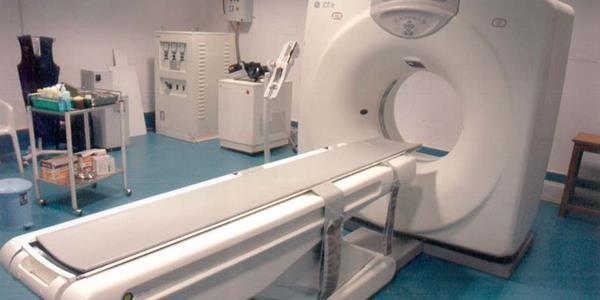
A new deep‑learning model can pinpoint pancreatic ductal adenocarcinoma on routine abdominal CT scans up to three years before doctors normally find it, according to an arXiv preprint posted in March 2025. That performance rivals or exceeds many FDA‑cleared AI tools already used in lung and breast screening. The survival rate for pancreatic cancer remains below 12 percent, so earlier detection could be transformational. Additional work in Nature Medicine shows subtle textural changes are visible on non‑contrast CT years before a tumor appears. A parallel effort at Harvard Medical School used electronic‑health‑record signals to tag high‑risk patients, hinting at a multi‑modal future. Because the imaging model needs only the raw DICOM and a modest GPU, hospitals can drop it into existing PACS with minimal fuss. Two large imaging‑software vendors are already piloting an integrated risk score that pops up next to every abdominal CT. Phase II prospective trials in Boston, Berlin, and Singapore will examine whether radiologists act on those alerts. Early dry‑run pilots show the algorithm adds less than a second per case and averages two false positives per 1,000 scans. If those numbers hold, screening costs could rival low‑dose CT for lung cancer, an attractive prospect for payers. Critics still worry about the anxiety provoked by “false alarms,” underscoring the need for clear follow‑up pathways. Even so, oncologists are calling 2025 a turning point in the fight against a disease long considered undetectable until too late. Should the multicenter data stay strong, incidental CTs could soon become life‑saving early warnings.

Image: PD

©2025 2 Minute Medicine, Inc. All rights reserved. No works may be reproduced without expressed written consent from 2 Minute Medicine, Inc. Inquire about licensing here. No article should be construed as medical advice and is not intended as such by the authors or by 2 Minute Medicine, Inc.

RELATED REPORTS

Food and Drug Administration reviews model for predicting drug related liver injury

2MM: AI Roundup: Food and Drug Administration reviews liver injury prediction tool, Joint Commission launches healthcare artificial intelligence certification, governance playbooks aim to standardize adoption, and pediatric hospitals bring generative tools to the frontline

Guideline-based lymph node sampling is not associated with increased postoperative complications in lung cancer

Tags: adenocarcinomaartificial intelligencecontrstCT scanlung canceroncology
Previous Post

Early anticoagulation after stroke decreases recurrence without increasing bleeding in patients with atrial fibrillation

Next Post

Obesity is a mediating factor for gallstone disease risk

RelatedReports

American College of Physicians releases principles to guide patient partnership in health care
AI Roundup

Food and Drug Administration reviews model for predicting drug related liver injury

June 16, 2026
2MM: AI Roundup- AI Cancer Test, Smarter Hospitals, Faster Drug Discovery, and Mental Health Tech [May 2nd, 2025]
AI Roundup

2MM: AI Roundup: Food and Drug Administration reviews liver injury prediction tool, Joint Commission launches healthcare artificial intelligence certification, governance playbooks aim to standardize adoption, and pediatric hospitals bring generative tools to the frontline

June 15, 2026
Lessons from real-world implementation of lung cancer screening
Chronic Disease

Guideline-based lymph node sampling is not associated with increased postoperative complications in lung cancer

June 9, 2026
Weekly Rewinds

2 Minute Medicine Rewind June 8, 2026

June 8, 2026
Next Post
Sleep duration inversely related to childhood type 2 diabetes risk makers

Obesity is a mediating factor for gallstone disease risk

Non-alcoholic fatty liver disease and risk of incident acute myocardial infarction and stroke: findings from matched cohort study of 18 million European adults

Retinal scans powered by AI predict stroke risk over a decade

Selpercatinib may provide an effective response against RET-mutated thyroid cancer

Postoperative radioiodine ablation does not reduce cancer recurrence following thyroidectomy

2 Minute Medicine® is an award winning, physician-run, expert medical media company. Our content is curated, written and edited by practicing health professionals who have clinical and scientific expertise in their field of reporting. Our editorial management team is comprised of highly-trained MD physicians. Join numerous brands, companies, and hospitals who trust our licensed content.

Recent Reports

  • TikTok’s cortisol face trend meets endocrine reality
  • Semaglutide (Ozempic) raises questions about mood and nonresponse
  • Cruise ship hantavirus outbreak turns into a global contact tracing test
License Content
Terms of Use | Disclaimer
Cookie Policy
Privacy Statement (EU)
Disclaimer
  • Specialties
    • All Specialties, All Recent Reports
    • Cardiology
    • Chronic Disease
    • Dermatology
    • Emergency
    • Endocrinology
    • Gastroenterology
    • Imaging and Intervention
    • Infectious Disease
    • Nephrology
    • Neurology
    • Obstetrics
    • Oncology
    • Ophthalmology
    • Pediatrics
    • Pharma
    • Preclinical
    • Psychiatry
    • Public Health
    • Pulmonology
    • Rheumatology
    • Surgery
  • Tools
    • EvidencePulse™
    • RVU Search
    • NPI Registry Lookup
  • Pharma
  • AI News
  • The Scan
  • Classics™
    • 2MM+ Online Access
    • Paperback and Ebook
  • Rewinds
  • Partners
    • License Content
    • Submit Press Release
    • Advertise with Us
  • Account
    • Subscribe
    • Sign-in
    • My account
No Result
View All Result

© 2026 2 Minute Medicine, Inc. - Physician-written medical news.