• About
  • Masthead
  • License Content
  • Advertise
  • Submit Press Release
  • RSS/Email List
  • 2MM Podcast
  • Write for us
  • Contact Us
2 Minute Medicine
No Result
View All Result

No products in the cart.

SUBSCRIBE
  • Specialties
    • All Specialties, All Recent Reports
    • Cardiology
    • Chronic Disease
    • Dermatology
    • Emergency
    • Endocrinology
    • Gastroenterology
    • Imaging and Intervention
    • Infectious Disease
    • Nephrology
    • Neurology
    • Obstetrics
    • Oncology
    • Ophthalmology
    • Pediatrics
    • Pharma
    • Preclinical
    • Psychiatry
    • Public Health
    • Pulmonology
    • Rheumatology
    • Surgery
  • Tools
    • EvidencePulse™
    • HypeCheck™
    • NPI Registry Lookup
    • RVU Search
  • Pharma
  • AI News
  • The Scan+
  • Classics™+
    • 2MM+ Online Access
    • Paperback and Ebook
  • Rewinds
  • Partners
    • License Content
    • Submit Press Release
    • Advertise with Us
  • Account
    • Subscribe
    • Sign-in
    • My account
2 Minute Medicine
  • Specialties
    • All Specialties, All Recent Reports
    • Cardiology
    • Chronic Disease
    • Dermatology
    • Emergency
    • Endocrinology
    • Gastroenterology
    • Imaging and Intervention
    • Infectious Disease
    • Nephrology
    • Neurology
    • Obstetrics
    • Oncology
    • Ophthalmology
    • Pediatrics
    • Pharma
    • Preclinical
    • Psychiatry
    • Public Health
    • Pulmonology
    • Rheumatology
    • Surgery
  • Tools
    • EvidencePulse™
    • HypeCheck™
    • NPI Registry Lookup
    • RVU Search
  • Pharma
  • AI News
  • The Scan+
  • Classics™+
    • 2MM+ Online Access
    • Paperback and Ebook
  • Rewinds
  • Partners
    • License Content
    • Submit Press Release
    • Advertise with Us
  • Account
    • Subscribe
    • Sign-in
    • My account
SUBSCRIBE
2 Minute Medicine
Subscribe
Home All Specialties Chronic Disease

Biomarkers of Alzheimer’s disease detected as early as 18 years prior to diagnosis
byJayden BerdugoandKiera Liblik
March 12, 2024
in Chronic Disease, Neurology
Reading Time: 2 mins read
0
Share on FacebookShare on Twitter

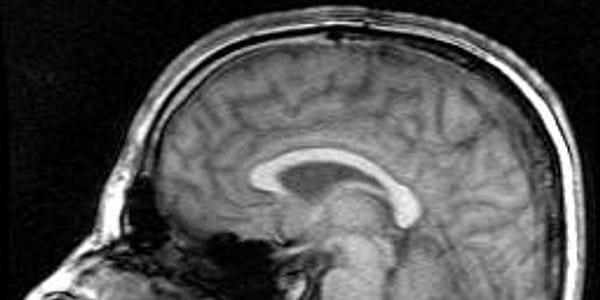
1. In this case-control study, cerebrospinal fluid (CSF) biomarkers of Alzheimer’s disease increased during the decline of cognitive function.

2. The biomarkers began changing as early as 18 years before the diagnosis.

Evidence Rating Level: 2 (Good)

Study Rundown: Preclinical Alzheimer’s disease has been identified as the presence of cognitive function with abnormal levels of CSF biomarkers. After the preclinical stage, the disease progresses with mild cognitive decline, which then sometimes develops into clinically apparent dementia. Biomarker changes can begin 15 to 20 years before individuals develop clinical symptoms. Some biomarker indications include amyloid-beta (Aβ) levels, total tau, phosphorylated tau 181, and neurofilament light chain (NfL). Past studies have had several limitations, specifically with the underrepresentation of Asian populations. As a result, this study examined a cohort from a study in the China Cognition and Aging Study (COAST). The times when the biomarkers began changing ranged from 18 years for CSF Aβ42 concentration to six years for cognitive decline. The CSF biomarker concentrations started accelerating and were then followed by slowing. Since the researchers required a minimum of three follow-up visits for enrollment, a reduction in sample size ultimately affected the generalizability of the results and limited the study. Overall, the levels of CSF biomarkers initially increased and then slowed in the Alzheimer’s group as their cognitive impairment worsened.

Click here to read this study in the NEJM

In-Depth [case-control]: This case-control study enrolled participants between January and June of 2000. Individuals who were between the ages of 45 and 65 and had no cognitive defects were included, which was determined by a Clinical Dementia Rating (CDR) of 0. Participants were required to have a Hachinski ischemic score, indicating they were more likely to develop Alzheimer’s disease than vascular dementia. Follow-ups were done every two to three years, the most recent being in 2020. The groups had similar levels of CSF biomarkers, cognitive scores, and hippocampal volumes. The mean follow-up time was 19.9 years (interquartile range, 19.5 to 20.2). Some data was missing, but overall, it only accounted for less than 16% of the participants in each group. When comparing individuals who developed Alzheimer’s to those who did not, the level of CSF Aβ42 differed for the previous 18 years to diagnosis. The difference in mean values was -59.13 pg per milliliter (95% Confidence Interval [CI], -108.08 to -10.18). Another difference observed between the groups was in the ratio of CSF Aβ42 to Aβ40, which began appearing 14 years before a diagnosis. The difference in mean values was -0.01 pg per milliliter (95% CI, -0.02 to -0.001). The groups also had differing CSF phosphorylated tau 181 levels and total tau concentrations. Respectively, these began 11 years and 10 years before an Alzheimer’s diagnosis. The mean differences were 7.10 pg per milliliter (95% CI, 1.10 to 13.10) for phosphorylated tau 181 and 87.10 pg per milliliter (95% CI, 45.40 to 129.10) for total tau concentration. Cognitive decline, which occurred six years before diagnosis, was the last biomarker to diverge. Overall, when cognitive impairment worsened, CSF biomarker levels accelerated and then slowed in the Alzheimer’s group compared to the control group.

RELATED REPORTS

2 Minute Medicine Rewind August 17, 2026

A cognitive rehabilitation program may improve cognitive performance in patients with long COVID

A chemical denervation intervention may be safe and effective for pain management in avascular necrosis of the hip

Image: PD

©2024 2 Minute Medicine, Inc. All rights reserved. No works may be reproduced without expressed written consent from 2 Minute Medicine, Inc. Inquire about licensing here. No article should be construed as medical advice and is not intended as such by the authors or by 2 Minute Medicine, Inc.


Tags: Alzheimer’s diagnosisamyloid-beta (Aβ) levelschronic diseaseneurofilament light chain (NfL)neurologyphosphorylated tau 181Preclinical Alzheimer's diseasetotal tau
Previous Post

Empagliflozin Shows Promise As An Adjunct To Selective Serotonin Reuptake Inhibitors In Reducing Symptom Severity In Major Depressive Disorder

Next Post

#VisualAbstract: Sublingual edaravone dexborneol within 48 hours of acute ischemic stroke improves functional outcomes

RelatedReports

Low free sugar diet reduces hepatic steatosis in nonalcoholic fatty liver disease in adolescent males
Weekly Rewinds

2 Minute Medicine Rewind August 17, 2026

August 17, 2026
Novel coronavirus identified from patients with pneumonia in Wuhan, China
Chronic Disease

A cognitive rehabilitation program may improve cognitive performance in patients with long COVID

July 28, 2026
MRI screening may improve osteonecrosis outcomes in children with leukemia
Chronic Disease

A chemical denervation intervention may be safe and effective for pain management in avascular necrosis of the hip

July 16, 2026
Chronic Disease

Dietary habits are associated with dementia risk in patients with Alzheimer’s pathology

July 3, 2026
Next Post
#VisualAbstract: Sublingual edaravone dexborneol within 48 hours of acute ischemic stroke improves functional outcomes

#VisualAbstract: Sublingual edaravone dexborneol within 48 hours of acute ischemic stroke improves functional outcomes

Novel coronavirus identified from patients with pneumonia in Wuhan, China

Prolonged COVID-19 symptoms associated with cognitive deficits

Food environment associated with gestational diabetes

Baricitinib preserves beta cell function in new-onset type 1 diabetes

2 Minute Medicine® is an award winning, physician-run, expert medical media company. Our content is curated, written and edited by practicing health professionals who have clinical and scientific expertise in their field of reporting. Our editorial management team is comprised of highly-trained MD physicians. Join numerous brands, companies, and hospitals who trust our licensed content.

Recent Reports

  • 2 Minute Medicine Rewind August 17, 2026
  • Melatonin use is associated with lower proportions of rapid eye movement sleep in children
  • Tumour microenvironment factors may influence cancer progression and response to tamoxifen (Nolvadex) in patients with estrogen receptor-positive and human epidermal growth factor receptor 2 breast cancer
License Content
Terms of Use | Disclaimer
Cookie Policy
Privacy Statement (EU)
Disclaimer
  • Specialties
    • All Specialties, All Recent Reports
    • Cardiology
    • Chronic Disease
    • Dermatology
    • Emergency
    • Endocrinology
    • Gastroenterology
    • Imaging and Intervention
    • Infectious Disease
    • Nephrology
    • Neurology
    • Obstetrics
    • Oncology
    • Ophthalmology
    • Pediatrics
    • Pharma
    • Preclinical
    • Psychiatry
    • Public Health
    • Pulmonology
    • Rheumatology
    • Surgery
  • Tools
    • EvidencePulse™
    • HypeCheck™
    • NPI Registry Lookup
    • RVU Search
  • Pharma
  • AI News
  • The Scan
  • Classics™
    • 2MM+ Online Access
    • Paperback and Ebook
  • Rewinds
  • Partners
    • License Content
    • Submit Press Release
    • Advertise with Us
  • Account
    • Subscribe
    • Sign-in
    • My account
No Result
View All Result

© 2026 2 Minute Medicine, Inc. - Physician-written medical news.