• About
  • Masthead
  • License Content
  • Advertise
  • Submit Press Release
  • RSS/Email List
  • 2MM Podcast
  • Write for us
  • Contact Us
2 Minute Medicine
No Result
View All Result

No products in the cart.

SUBSCRIBE
  • Specialties
    • All Specialties, All Recent Reports
    • Cardiology
    • Chronic Disease
    • Dermatology
    • Emergency
    • Endocrinology
    • Gastroenterology
    • Imaging and Intervention
    • Infectious Disease
    • Nephrology
    • Neurology
    • Obstetrics
    • Oncology
    • Ophthalmology
    • Pediatrics
    • Pharma
    • Preclinical
    • Psychiatry
    • Public Health
    • Pulmonology
    • Rheumatology
    • Surgery
  • AI EvidencePulse™
  • Pharma
  • AI News
  • The Scan+
  • Classics™+
    • 2MM+ Online Access
    • Paperback and Ebook
  • Rewinds
  • Podcasts
  • Partners
    • License Content
    • Submit Press Release
    • Advertise with Us
  • Account
    • Subscribe
    • Sign-in
    • My account
2 Minute Medicine
  • Specialties
    • All Specialties, All Recent Reports
    • Cardiology
    • Chronic Disease
    • Dermatology
    • Emergency
    • Endocrinology
    • Gastroenterology
    • Imaging and Intervention
    • Infectious Disease
    • Nephrology
    • Neurology
    • Obstetrics
    • Oncology
    • Ophthalmology
    • Pediatrics
    • Pharma
    • Preclinical
    • Psychiatry
    • Public Health
    • Pulmonology
    • Rheumatology
    • Surgery
  • AI EvidencePulse™
  • Pharma
  • AI News
  • The Scan+
  • Classics™+
    • 2MM+ Online Access
    • Paperback and Ebook
  • Rewinds
  • Podcasts
  • Partners
    • License Content
    • Submit Press Release
    • Advertise with Us
  • Account
    • Subscribe
    • Sign-in
    • My account
SUBSCRIBE
2 Minute Medicine
Subscribe
Home All Specialties Cardiology

Burden of ischemic stroke increased in patients with congenital heart disease
byBipandeep AbbatandAlex Chan
June 25, 2021
in Cardiology, Neurology
Reading Time: 2 mins read
0
Share on FacebookShare on Twitter

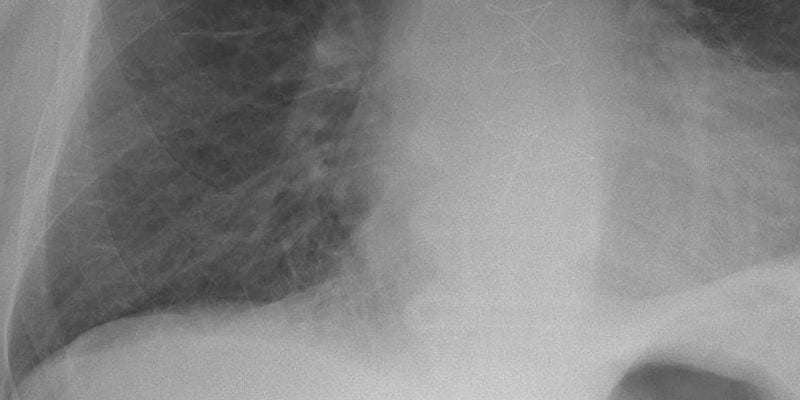
1. A nationwide Swedish study demonstrated that patients with congenital heart disease are at an increased risk of developing ischemic stroke compared to controls.

Evidence Rating Level: 3 (Average)

Congenital heart disease (CHD) is the most common major congenital anomaly, and it is associated with an increased risk of complications such as arrythmias and heart failure. Although studies have demonstrated increased risk of ischemic stroke (IS) in patients with CHD, there are limited studies about long-term outcomes in such patients. This case-control study aimed to evaluate the cumulative incidence and risk of developing IS as well as determine risk of developing recurrent and all-cause mortality after IS in patients with CHD compared to controls. Data collection included 88,700 patients with CHD (50.6% men) and 890,450 controls (51% men) without CHD. It demonstrated that patients with CHD to develop IS were control median age, 66.0 [IQR, 57.1–73.4] years; p<0.001). Patients with CHD had a 5-fold increased risk of developing IS compared to their controls (HR, 5.01; 95% CI, 4.81–5.22). The risk of developing recurrent IS was 34% lower in patients with CHD compared to their controls (HR, 0.66; 95% CI, 0.56–0.78). However, patients with CHD were younger than the controls at the recurrent IS (median age, 61.6[IQR, 50.3–70.6] years versus 71.0[IQR, 65.0–77.0] years; p<0.001). Similarly, the risk of all-cause mortality in patients with CHD was around half that of controls (HR, 0.53; 95% CI, 0.49–0.58) However, patients with CHD who died after an IS were younger compared to their controls (median age, 67.9[IQR, 53.7–76.6] years for versus 73.0[IQR, 66.1–78.6] years for controls; p<0.001). Overall, this study demonstrated that patients with CHD had an increased risk of developing IS, yet, their risk of recurrent IS and all-cause mortality was lower compared to controls. Although this study had a large sample size and limited attrition, future better-quality evidence such as prospective cohort studies are needed to further establish these conclusions.

Click to read the study in JAHA

Image: PD

©2021 2 Minute Medicine, Inc. All rights reserved. No works may be reproduced without expressed written consent from 2 Minute Medicine, Inc. Inquire about licensing here. No article should be construed as medical advice and is not intended as such by the authors or by 2 Minute Medicine, Inc.

RELATED REPORTS

Prehospital Postintubation Hypotension and Survival in Severe Traumatic Brain Injury

2 Minute Medicine Rewind November 24, 2025

Diphenhydramine, Sodium Bicarbonate, or Combination for Acute Peripheral Vertigo: A Randomized Clinical Trial

Tags: cardiologychfneurologystroke
Previous Post

Conventional cardiovascular risk assessments may overestimate risk in populations with widespread diabetes screening guidelines

Next Post

Bridging with low molecular weight heparin may not be beneficial for patients with atrial fibrillation or mechanical heart valves

RelatedReports

Brain lesions on MRI linked with subsequent increased stroke risk
Emergency

Prehospital Postintubation Hypotension and Survival in Severe Traumatic Brain Injury

November 25, 2025
Elective colectomy associated with improved survival in ulcerative colitis
Weekly Rewinds

2 Minute Medicine Rewind November 24, 2025

November 24, 2025
Brain lesions on MRI linked with subsequent increased stroke risk
Chronic Disease

Diphenhydramine, Sodium Bicarbonate, or Combination for Acute Peripheral Vertigo: A Randomized Clinical Trial

November 14, 2025
2 Minute Medicine Rewind August 19, 2019
Chronic Disease

Risk of Parkinson’s disease after human papillomavirus infection: a nationwide cohort study

November 13, 2025
Next Post
Thrombophilia-associated stillbirth risk appears limited to factor V Leiden

Bridging with low molecular weight heparin may not be beneficial for patients with atrial fibrillation or mechanical heart valves

Shorter hospital stays after hip fracture linked to greater risk of short-term death

Shorter antibiotic therapy for prosthetic joint infection caused worse outcomes

Non-invasive prenatal testing linked to decreased diagnostic testing

Lentiviral gene therapy treatment for adenosine deaminase deficiency

2 Minute Medicine® is an award winning, physician-run, expert medical media company. Our content is curated, written and edited by practicing health professionals who have clinical and scientific expertise in their field of reporting. Our editorial management team is comprised of highly-trained MD physicians. Join numerous brands, companies, and hospitals who trust our licensed content.

Recent Reports

  • Opioid overdose associated with concomitant use of hydrocodone and selective serotonin reuptake inhibitors
  • Analysis of arrhythmia and its risk factors in patients with COVID-19
  • Tai chi or cognitive behavioural therapy for treating insomnia in middle-aged and older adults: randomised non-inferiority trial
License Content
Terms of Use | Disclaimer
Cookie Policy
Privacy Statement (EU)
Disclaimer

© 2025 2 Minute Medicine, Inc. - Physician-written medical news.

  • Specialties
    • All Specialties, All Recent Reports
    • Cardiology
    • Chronic Disease
    • Dermatology
    • Emergency
    • Endocrinology
    • Gastroenterology
    • Imaging and Intervention
    • Infectious Disease
    • Nephrology
    • Neurology
    • Obstetrics
    • Oncology
    • Ophthalmology
    • Pediatrics
    • Pharma
    • Preclinical
    • Psychiatry
    • Public Health
    • Pulmonology
    • Rheumatology
    • Surgery
  • AI EvidencePulse™
  • Pharma
  • AI News
  • The Scan
  • Classics™
    • 2MM+ Online Access
    • Paperback and Ebook
  • Rewinds
  • Podcasts
  • Partners
    • License Content
    • Submit Press Release
    • Advertise with Us
  • Account
    • Subscribe
    • Sign-in
    • My account
No Result
View All Result

© 2025 2 Minute Medicine, Inc. - Physician-written medical news.