• About
  • Masthead
  • License Content
  • Advertise
  • Submit Press Release
  • RSS/Email List
  • 2MM Podcast
  • Write for us
  • Contact Us
2 Minute Medicine
No Result
View All Result

No products in the cart.

Sign in
SUBSCRIBE
  • About
  • Specialties
    • All Specialties, All Recent Reports
    • Cardiology
    • Chronic Disease
    • Dermatology
    • Emergency
    • Endocrinology
    • Gastroenterology
    • Imaging and Intervention
    • Infectious Disease
    • Nephrology
    • Neurology
    • Obstetrics
    • Oncology
    • Ophthalmology
    • Pediatrics
    • Pharma
    • Preclinical
    • Psychiatry
    • Public Health
    • Pulmonology
    • Rheumatology
    • Surgery
  • Tools+
    • EvidencePulse™
    • HypeCheck™
    • NPI Registry Lookup
    • RVU Search
  • Pharma
  • AI Roundup
  • The Scan+
  • Classics™+
    • 2MM+ Online Access
    • Paperback and Ebook
  • Rewinds
  • Partners
    • License Content
    • Advertise with Us
2 Minute Medicine
  • About
  • Specialties
    • All Specialties, All Recent Reports
    • Cardiology
    • Chronic Disease
    • Dermatology
    • Emergency
    • Endocrinology
    • Gastroenterology
    • Imaging and Intervention
    • Infectious Disease
    • Nephrology
    • Neurology
    • Obstetrics
    • Oncology
    • Ophthalmology
    • Pediatrics
    • Pharma
    • Preclinical
    • Psychiatry
    • Public Health
    • Pulmonology
    • Rheumatology
    • Surgery
  • Tools+
    • EvidencePulse™
    • HypeCheck™
    • NPI Registry Lookup
    • RVU Search
  • Pharma
  • AI Roundup
  • The Scan+
  • Classics™+
    • 2MM+ Online Access
    • Paperback and Ebook
  • Rewinds
  • Partners
    • License Content
    • Advertise with Us
Sign in
SUBSCRIBE
2 Minute Medicine
Sign in
Subscribe
EvidencePulse™ by 2 Minute Medicine 2026 evidence scan 3 reports You asked top stroke trials 2026 Synthesizing medical evidence... Top 2026 stroke trial results: OCEANIC — ischemic stroke: 6.2% vs 8.4% OPTION* — mRS 0–1: 43.6% vs 34.2% ORIENTAL* — mRS 0–2: 58.6% vs 46.6% *Higher sICH in intervention arms Participants randomizedN OCEANIC 12,327 OPTION 570 ORIENTAL 564 Ask about guidelines or landmark trials... ↑ Try EvidencePulse™ Ask the evidence.
Get the signal.
Try it now → Physician-trained medical AI by 2 Minute Medicine
Home All Specialties Endocrinology

Cabozantinib significantly improves progression free survival in patients with advanced neuroendocrine tumors
byShagun JainandKiera Liblik
August 29, 2026
in Endocrinology, Neurology, Oncology
Reading Time: 3 mins read
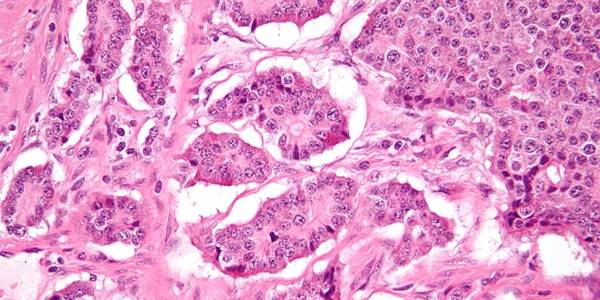
Neuroendocrine tumor marker pancreastatin may be predictive of survival
Share on FacebookShare on Twitter

1. In this randomized controlled trial, cabozantinib significantly improved progression-free survival in patients with progressive pancreatic and extra-pancreatic neuroendocrine tumors.

2. Adverse events in this trial were similar to those of the known safety profile of cabozantinib.

Evidence Rating Level: 1 (Excellent)

Study Rundown: Neuroendocrine tumors, that commonly arise from the gastrointestinal tract, lungs, and pancreas, are a group of neoplasms whose treatment is often guided by features of the tumor. Angiogenesis plays a large role in the pathogenesis of neuroendocrine tumors. Agents that target vascular endothelial growth factor (VEGF) and its receptors have shown effectiveness in treating neuroendocrine tumors. Cabozantinib, an oral small molecular inhibitor of multiple tyrosine kinases, including VEGF receptors, has shown clinical activity in previous trials. This phase three, double-blind, randomized controlled trial evaluated the efficacy of cabozantinib in patients with previously treated, progressive extra-pancreatic or pancreatic neuroendocrine tumors. Patients who met inclusion criteria were randomly assigned in a 2:1 ratio to receive either 60 mg of cabozantinib daily or pa lacebo. The primary endpoint was progression-free survival. Secondary endpoints of this study included objective response, overall survival, and safety. Results from this study found that, in comparison to placebo, cabozantinib significantly improved progression-free survival in patients with previously treated extra-pancreatic and pancreatic endocrine tumors. Results also showed that the adverse events were similar to those previously reported on cabozantinib. Limitations of this trial included the early termination of the trial.

Click here to read the study in NEJM

In-Depth [randomized controlled trial]: This phase three, double blinded, randomized controlled trial assessed the efficacy of cabozantinib in patients with previously treated, progressive extra-pancreatic or pancreatic neuroendocrine tumors. Adult patients with histologically confirmed locally advanced or metastatic well to moderately differentiated extra-pancreatic or pancreatic neuroendocrine tumors were included in this study. Patients must have received treatment with receptor radionuclide therapy or targeted therapy or both. Patients who met inclusion criteria were randomly assigned in a 2:1 ratio to receive 60 mg of cabozantinib daily or placebo. The primary end point of the study was progression free survival. Results from this study found that, in a cohort of 203 patients with extra-pancreatic neuroendocrine tumors, the median progression free survival with cabozantinib was 8.4 months, compared to 3.9 months with placebo (stratified hazard ratio for progression or death, 0.38; 95% confidence interval [CI], 0.25 to 0.59; p<0.001). In the patients with pancreatic neuroendocrine tumors, the median progression free survival with cabozantinib was 13.8 months, compared to 4.4 months with placebo (stratified hazard ratio, 0.23; 95% CI, 0.12 to 0.42; p<0.001). Results indicated that confirmed objective response was 5% in patients with extra-pancreatic neuroendocrine tumors, 19% among patients with pancreatic neuroendocrine tumors, and 0% in the placebo group. Adverse events of grade 3 or higher were noted in 62 to 65% of patients who received the treatment, in comparison to 23 to 27% noted in patients who received placebo. Overall, results from this study indicated that compared to placebo, cabozantinib significantly improved progression free survival in patients with previously treated, progressive advanced extra-pancreatic and pancreatic neuroendocrine tumors. Additionally, adverse events were found to be consistent with that of the known safety profile of cabozantinib.

RELATED REPORTS

Male sex is associated with higher mortality among patients with hepatocellular carcinoma

Daraxonrasib extends survival in metastatic pancreatic cancer

Molecularly guided therapy may improve outcomes in patients with unfavourable cancer of unknown primary compared with standard chemotherapy

Image: PD

©2025 2 Minute Medicine, Inc. All rights reserved. No works may be reproduced without expressed written consent from 2 Minute Medicine, Inc. Inquire about licensing here. No article should be construed as medical advice and is not intended as such by the authors or by 2 Minute Medicine, Inc.


Tags: cabozantinibendocrinologyneuroendocrine tumorsneurologyoncology
Previous Post

Transarterial chemoembolization with pembrolizumab and levatinib improves survival in unresectable hepatocellular carcinoma

Next Post

Plozasiran reduces triglyceride levels and acute pancreatitis incidence in persistent chylomicronemia

RelatedReports

Chronic Disease

Male sex is associated with higher mortality among patients with hepatocellular carcinoma

October 7, 2026
Oncology

Daraxonrasib extends survival in metastatic pancreatic cancer

September 17, 2026
Quick Take: Diagnostic Yield of One-Time Colonoscopy vs One-Time Flexible Sigmoidoscopy vs Multiple Rounds of Mailed Fecal Immunohistochemical Tests in Colorectal Cancer Screening
Chronic Disease

Molecularly guided therapy may improve outcomes in patients with unfavourable cancer of unknown primary compared with standard chemotherapy

September 7, 2026
Long-term outcomes for off-pump and on-pump CABG are similar
Weekly Rewinds

2 Minute Medicine Rewind September 7, 2026

September 7, 2026
Next Post
Rectal indomethacin dose escalation for prevention of pancreatitis after endoscopic retrograde cholangiopancreatography in high-risk patients

Plozasiran reduces triglyceride levels and acute pancreatitis incidence in persistent chylomicronemia

The STORM trial: treatment refractory multiple myeloma patients experience response with selinexor

Talquetamab and teclistamab combination improved response in relapsed multiple myeloma

#VisualAbstract: Empagliflozin Has Cardiorenal Benefits for Chronic Kindey Disease

#VisualAbstract: Empagliflozin Has Cardiorenal Benefits for Chronic Kindey Disease

EvidencePulse™ by 2 Minute Medicine 2026 evidence scan 3 reports You asked top stroke trials 2026 Synthesizing medical evidence... Top 2026 stroke trial results: OCEANIC — ischemic stroke: 6.2% vs 8.4% OPTION* — mRS 0–1: 43.6% vs 34.2% ORIENTAL* — mRS 0–2: 58.6% vs 46.6% *Higher sICH in intervention arms Participants randomizedN OCEANIC 12,327 OPTION 570 ORIENTAL 564 Ask about guidelines or landmark trials... ↑ Try EvidencePulse™ Get the signal. Try it now → Physician-trained medical AI by 2 Minute Medicine

2MM+ All Access

Full details →
$4.99 /month

3-day free trial · cancel anytime

  • ✓100+ physician-written reports
  • ✓EvidencePulse™ + HypeCheck™
  • ✓Ad-free reading + newsletters
Start 3-day free trial

Then $4.99/month. Manage renewal in your account.

2 Minute Medicine® is an award winning, physician-run, expert medical media company. Our content is curated, written and edited by practicing health professionals who have clinical and scientific expertise in their field of reporting. Our editorial management team is comprised of highly-trained MD physicians. Join numerous brands, companies, and hospitals who trust our licensed content.

Recent Reports

  • The rate of urethrocutaneous fistula formation may be similar between caudal and penile blocks
  • 2 Minute Medicine Rewind October 12, 2026
  • Gepotidacin (Blujepa) is safe and effective in women with uncomplicated urinary tract infections
License Content
Terms of Use | Disclaimer
Cookie Policy
Cleantalk Pixel
2MM+ All Access Full details →

The medical literature, distilled daily.

Monthly plan selected: $4.99 /month.

$4.99/month

3-day free trial · cancel anytime

Start 3-day free trial

Then $4.99/month. Manage renewal in your account.

Yearly plan selected: $49.90 /year.

$49.90/year

2 months free

Start 3-day free trial

Then $49.90/year.

Membership benefits

  • ✓100+ physician-written reports
  • ✓AI EvidencePulse™ + HypeCheck™
  • ✓Ad-free reading + newsletters

Already a member? Sign in

  • About
  • Specialties
    • All Specialties, All Recent Reports
    • Cardiology
    • Chronic Disease
    • Dermatology
    • Emergency
    • Endocrinology
    • Gastroenterology
    • Imaging and Intervention
    • Infectious Disease
    • Nephrology
    • Neurology
    • Obstetrics
    • Oncology
    • Ophthalmology
    • Pediatrics
    • Pharma
    • Preclinical
    • Psychiatry
    • Public Health
    • Pulmonology
    • Rheumatology
    • Surgery
  • Tools
    • EvidencePulse™
    • HypeCheck™
    • NPI Registry Lookup
    • RVU Search
  • Pharma
  • AI Roundup
  • The Scan
  • Classics™
    • 2MM+ Online Access
    • Paperback and Ebook
  • Rewinds
  • Partners
    • License Content
    • Advertise with Us
No Result
View All Result

© 2026 2 Minute Medicine, Inc. - Physician-written medical news.