• About
  • Masthead
  • License Content
  • Advertise
  • Submit Press Release
  • RSS/Email List
  • 2MM Podcast
  • Write for us
  • Contact Us
2 Minute Medicine
No Result
View All Result

No products in the cart.

SUBSCRIBE
  • Specialties
    • All Specialties, All Recent Reports
    • Cardiology
    • Chronic Disease
    • Dermatology
    • Emergency
    • Endocrinology
    • Gastroenterology
    • Imaging and Intervention
    • Infectious Disease
    • Nephrology
    • Neurology
    • Obstetrics
    • Oncology
    • Ophthalmology
    • Pediatrics
    • Pharma
    • Preclinical
    • Psychiatry
    • Public Health
    • Pulmonology
    • Rheumatology
    • Surgery
  • Tools
    • EvidencePulse™
    • RVU Search
    • NPI Registry Lookup
  • Pharma
  • AI News
  • The Scan+
  • Classics™+
    • 2MM+ Online Access
    • Paperback and Ebook
  • Rewinds
  • Partners
    • License Content
    • Submit Press Release
    • Advertise with Us
  • Account
    • Subscribe
    • Sign-in
    • My account
2 Minute Medicine
  • Specialties
    • All Specialties, All Recent Reports
    • Cardiology
    • Chronic Disease
    • Dermatology
    • Emergency
    • Endocrinology
    • Gastroenterology
    • Imaging and Intervention
    • Infectious Disease
    • Nephrology
    • Neurology
    • Obstetrics
    • Oncology
    • Ophthalmology
    • Pediatrics
    • Pharma
    • Preclinical
    • Psychiatry
    • Public Health
    • Pulmonology
    • Rheumatology
    • Surgery
  • Tools
    • EvidencePulse™
    • RVU Search
    • NPI Registry Lookup
  • Pharma
  • AI News
  • The Scan+
  • Classics™+
    • 2MM+ Online Access
    • Paperback and Ebook
  • Rewinds
  • Partners
    • License Content
    • Submit Press Release
    • Advertise with Us
  • Account
    • Subscribe
    • Sign-in
    • My account
SUBSCRIBE
2 Minute Medicine
Subscribe
Home All Specialties Psychiatry

Cognitive emotion regulation strategies may help predict depression and anxiety levels during COVID-19  

byKiera LiblikandAvneesh Bhangu
December 13, 2021
in Psychiatry, Wellness
Reading Time: 2 mins read
0
Share on FacebookShare on Twitter

1. In this retrospective study, the role of cognitive emotion regulation strategies (CERS) on predicting depression and anxiety during COVID-19 was studied.

2. Increased positive reappraisal as well as decreased catastrophizing and rumination predicted lower depression and anxiety during COVID-19.

Evidence Rating Level: 3 (Average)

The COVID-19 pandemic has involved significant social isolation due to distancing measures. Effects of isolation and stress secondary to the pandemic include increased levels of stress and anxiety. Cognitive emotion regulation strategies (CERS) may represent a way to prevent and manage distress secondary to isolation and unexpected societal events.

The present retrospective analysis evaluated CERS used during COVID-19 lockdown and their relationship to levels of anxiety and depression symptoms between March 26 and 1 June 2020. Individuals were included who lived in areas experiencing extreme lockdown measures during the study period. Exclusion criteria were not described. Outcomes were depression and anxiety, measured by the Cognitive Emotion Regulation Questionnaire (CERQ), Center for Epidemiological studies Depression Scale (CES-D), and the State–Trait Anxiety Inventory (STAI).

In total, 663 Spanish-speaking participants were recruited (63% female) from Ecuador, American countries, and Europe. Male participants scored higher in self-blame than females, but females scored higher on rumination and general anxiety than males. Furthermore, females scored significantly higher in symptoms of anxiety and depression compared to males. Catastrophizing and rumination were significant predictors for increased levels of depression and anxiety. Conversely, positive reappraisal significantly reduced depression and anxiety symptoms. The limitations of the present analysis include large variation in population measured, as well as inconsistency of CERS used. Nonetheless, CERS may help predict levels of depression and anxiety during stressful events.

RELATED REPORTS

Selective serotonin reuptake inhibitors may reduce risk of total joint arthroplasty in osteoarthritis

Use of selective serotonin reuptake inhibitors guided by pharmacogenetic testing may improve treatment response in depression

COVID-19 vaccination is associated with reduced risk of new-onset atrial fibrillation following COVID-19 infection

Click to read the study in International Journal of Psychology

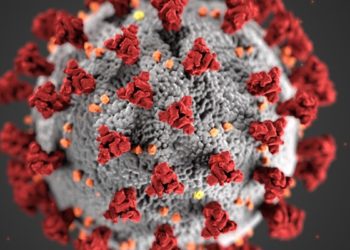
Image: PD

©2021 2 Minute Medicine, Inc. All rights reserved. No works may be reproduced without expressed written consent from 2 Minute Medicine, Inc. Inquire about licensing here. No article should be construed as medical advice and is not intended as such by the authors or by 2 Minute Medicine, Inc.

Tags: anxietycognitive emotion regulation studiesCOVID-19depressionmental healthwellness
Previous Post

2 Minute Medicine Rewind December 13, 2021

Next Post

Poziotinib reduces tumour size in patients with previously treated HER2 mutation positive non-small-cell lung cancer

RelatedReports

Physical therapy reduces pain in adults with knee osteoarthritis
Chronic Disease

Selective serotonin reuptake inhibitors may reduce risk of total joint arthroplasty in osteoarthritis

May 21, 2026
Children’s hospital visits for suicide ideation and attempts are increasing
Chronic Disease

Use of selective serotonin reuptake inhibitors guided by pharmacogenetic testing may improve treatment response in depression

May 13, 2026
Novel coronavirus identified from patients with pneumonia in Wuhan, China
Cardiology

COVID-19 vaccination is associated with reduced risk of new-onset atrial fibrillation following COVID-19 infection

April 29, 2026
Development of a risk index for colorectal cancer screening
Weekly Rewinds

2 Minute Medicine Rewind April 27, 2026

April 27, 2026
Next Post
Thoracic radiotherapy improves survival in small-cell lung cancer patients

Poziotinib reduces tumour size in patients with previously treated HER2 mutation positive non-small-cell lung cancer

Increased risk of subsequent melanoma after first melanoma diagnosis

Nivolumab plus ipilimumab improved long-term survival in patients with advanced melanoma  

Parents often unaware of adolescents’ suicidal thoughts

Suicide prevention videos may help improve suicidal ideation and help seeking in adolescents

2 Minute Medicine® is an award winning, physician-run, expert medical media company. Our content is curated, written and edited by practicing health professionals who have clinical and scientific expertise in their field of reporting. Our editorial management team is comprised of highly-trained MD physicians. Join numerous brands, companies, and hospitals who trust our licensed content.

Recent Reports

  • High intake of sugar-sweetened beverages is associated with increased risk of hepatocellular carcinoma
  • Pediatric hospitals adopt generative AI for documentation and care coordination
  • Hospitals face a new test of artificial intelligence governance
License Content
Terms of Use | Disclaimer
Cookie Policy
Privacy Statement (EU)
Disclaimer
  • Specialties
    • All Specialties, All Recent Reports
    • Cardiology
    • Chronic Disease
    • Dermatology
    • Emergency
    • Endocrinology
    • Gastroenterology
    • Imaging and Intervention
    • Infectious Disease
    • Nephrology
    • Neurology
    • Obstetrics
    • Oncology
    • Ophthalmology
    • Pediatrics
    • Pharma
    • Preclinical
    • Psychiatry
    • Public Health
    • Pulmonology
    • Rheumatology
    • Surgery
  • Tools
    • EvidencePulse™
    • RVU Search
    • NPI Registry Lookup
  • Pharma
  • AI News
  • The Scan
  • Classics™
    • 2MM+ Online Access
    • Paperback and Ebook
  • Rewinds
  • Partners
    • License Content
    • Submit Press Release
    • Advertise with Us
  • Account
    • Subscribe
    • Sign-in
    • My account
No Result
View All Result

© 2026 2 Minute Medicine, Inc. - Physician-written medical news.