


• About
  • Masthead
  • License Content
  • Advertise
  • Submit Press Release
  • RSS/Email List
  • 2MM Podcast
  • Write for us
  • Contact Us
2 Minute Medicine
No Result
View All Result

No products in the cart.

SUBSCRIBE
  • Specialties
    • All Specialties, All Recent Reports
    • Cardiology
    • Chronic Disease
    • Dermatology
    • Emergency
    • Endocrinology
    • Gastroenterology
    • Imaging and Intervention
    • Infectious Disease
    • Nephrology
    • Neurology
    • Obstetrics
    • Oncology
    • Ophthalmology
    • Pediatrics
    • Pharma
    • Preclinical
    • Psychiatry
    • Public Health
    • Pulmonology
    • Rheumatology
    • Surgery
  • Tools
    • EvidencePulse™
    • RVU Search
    • NPI Registry Lookup
  • Pharma
  • AI News
  • The Scan+
  • Classics™+
    • 2MM+ Online Access
    • Paperback and Ebook
  • Rewinds
  • Partners
    • License Content
    • Submit Press Release
    • Advertise with Us
  • Account
    • Subscribe
    • Sign-in
    • My account
2 Minute Medicine
  • Specialties
    • All Specialties, All Recent Reports
    • Cardiology
    • Chronic Disease
    • Dermatology
    • Emergency
    • Endocrinology
    • Gastroenterology
    • Imaging and Intervention
    • Infectious Disease
    • Nephrology
    • Neurology
    • Obstetrics
    • Oncology
    • Ophthalmology
    • Pediatrics
    • Pharma
    • Preclinical
    • Psychiatry
    • Public Health
    • Pulmonology
    • Rheumatology
    • Surgery
  • Tools
    • EvidencePulse™
    • RVU Search
    • NPI Registry Lookup
  • Pharma
  • AI News
  • The Scan+
  • Classics™+
    • 2MM+ Online Access
    • Paperback and Ebook
  • Rewinds
  • Partners
    • License Content
    • Submit Press Release
    • Advertise with Us
  • Account
    • Subscribe
    • Sign-in
    • My account
SUBSCRIBE
2 Minute Medicine
Subscribe
Home All Specialties Infectious Disease

Decolonization reduces hospitalization rates in nursing home residents

byNhat Hung (Benjamin) LamandKiera Liblik
November 23, 2023
in Infectious Disease, Public Health
Reading Time: 2 mins read
0
Share on FacebookShare on Twitter

1. In this randomized controlled trial, universal decolonization with topical antiseptics significantly reduced the risks of hospitalization due to infection among nursing home residents as compared to routine care. 

2. The number needed to treat (NNT) was 9.7 to prevent one hospitalization due to infection in the nursing home setting.

Evidence Rating Level: 2 (Good)

Study Rundown: Healthcare-associated infections are a major cause of death among nursing home residents, arising from many sources and affecting a particularly medically vulnerable population. Furthermore, the nursing environment is also prone to the development and spread of multidrug-resistant organisms. Decolonization has been shown in other healthcare settings to reduce the risk of nosocomial infections. This study was a cluster-randomized trial the evaluate universal decolonization against routine-care bathing in nursing homes to prevent infection-related hospitalization. The decolonization group received chlorhexidine for bathing or showering and nasal iodophor for nasal decolonization, whereas the control group underwent routine bathing and showering practices. The intervention group saw a significant reduction in risks of hospitalization due to infection and for any reason. The NNT was 9.7 and 8.9, respectively, to prevent one infection-related hospitalization and one hospitalization for any reason. Although the study was limited by implementation and adherence challenges due to a lack of support and administrative policies, these results demonstrated that universal decolonization mitigated the risk of infection-related hospitalization among nursing home residents.

Click here to read the study in NEJM

In-Depth [randomized controlled trial]: The current study was a cluster-randomized trial to assess the impact of universal decolonization compared to routine-care bathing on hospitalizations due to infection in nursing homes. Nursing homes providing skilled nursing care in Los Angeles and Orange counties in California were eligible for inclusion. Nursing homes were excluded if they were only providing pediatric, dementia, or psychiatric care, or if they already practiced routine decolonization. In total, 28 nursing homes with 28,956 residents were enrolled in the study and each underwent an 18-month baseline period and an 18-month intervention period. During the intervention period, the nursing homes were randomized to the decolonization group, where residents received chlorhexidine-based bathing or showering and iodophor nasal decolonization, or the control group, where residents underwent routine-care bathing and showering practices with no nasal decolonization. The primary outcome was transfer to hospital due to infection, as a proportion of hospitalizations. The control group reported similar rates of infection-related hospitalization during the baseline period (62.2%) and the intervention period (62.6%; Risk Ratio [RR], 1.00; 95% Confidence Interval [CI], 0.96-1.04). Conversely, the decolonization group’s infection-related hospitalization rate declined from 62.9% during the baseline period to 52.2% in the intervention period (RR, 0.83; 95% CI, 0.79-0.88), which was a difference of 16.6% in RR compared to the control group (95% CI, 11.0-21.8%; p<0.001). The rates of hospitalization for any reason were comparable between the baseline and intervention periods in the control group (RR, 1.08; 95% CI, 1.04-1.12). In summary, these results were generalizable and demonstrated that universal decolonization with topical antiseptics reduced the risk of hospitalization from hospitalization due to infection in nursing homes.

RELATED REPORTS

Poly-L-lysine-coated catheters are safe and well-tolerated in adults requiring short-term catheterization

Exposure to air pollution is associated with increased risk of developing limitations in physical function

A telephone-based intervention reduced loneliness and improved well-being among older adults

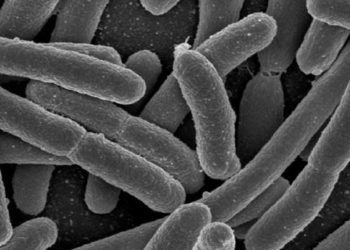
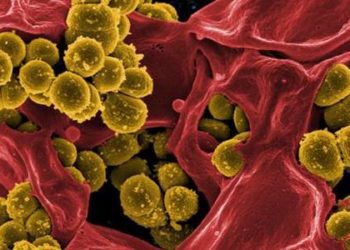
Image: PD

©2023 2 Minute Medicine, Inc. All rights reserved. No works may be reproduced without expressed written consent from 2 Minute Medicine, Inc. Inquire about licensing here. No article should be construed as medical advice and is not intended as such by the authors or by 2 Minute Medicine, Inc.

Tags: decolonizationgeriatric medicinegeriatricsHealthcare-associated infectioninfectious diseasemultidrug-resistant organismspublic healthuniversal decolonization
Previous Post

#VisualAbstract: Efficacy and Safety of Elafibranor in Primary Biliary Cholangitis

Next Post

Home-based exercise program effective for improving outcomes in patients with patellofemoral pain

RelatedReports

Normal renal ultrasound only rules out high grade vesicoureteral reflux in infants
Imaging and Intervention

Poly-L-lysine-coated catheters are safe and well-tolerated in adults requiring short-term catheterization

February 20, 2026
Risk of dementia with air pollution exposure amplified in patients with heart disease
Lifestyle

Exposure to air pollution is associated with increased risk of developing limitations in physical function

February 17, 2026
Unpaid caregivers of older adults experience emotional, physical, and financial difficulty
Health

A telephone-based intervention reduced loneliness and improved well-being among older adults

February 12, 2026
Obstetric scoring systems overestimate cases of severe sepsis
Infectious Disease

Propofol is associated with lower mortality in sepsis-associated encephalopathy

February 11, 2026
Next Post

Home-based exercise program effective for improving outcomes in patients with patellofemoral pain

Quick Take: Efficacy of short-term treatment of internet and computer game addiction

Internet gaming disorders may be associated with insomnia, paranoid ideation, and psychoticism

#VisualAbstract: Efficacy and Safety of Elafibranor in Primary Biliary Cholangitis

#VisualAbstract: Phase 3 Trial of Selpercatinib in Advanced RET-Mutant Medullary Thyroid Cancer

2 Minute Medicine® is an award winning, physician-run, expert medical media company. Our content is curated, written and edited by practicing health professionals who have clinical and scientific expertise in their field of reporting. Our editorial management team is comprised of highly-trained MD physicians. Join numerous brands, companies, and hospitals who trust our licensed content.

Recent Reports

  • Burr hole craniotomy for chronic subdural hematoma under local anesthesia may reduce risks of postoperative delirium compared to general anesthesia
  • Smallpox therapy tecovirimat not efficacious in treating clade II mpox  
  • Neoadjuvant therapy regimen improves outcomes in high-risk intrahepatic cholangiocarcinoma
License Content
Terms of Use | Disclaimer
Cookie Policy
Privacy Statement (EU)
Disclaimer

© 2025 2 Minute Medicine, Inc. - Physician-written medical news.

  • Specialties
    • All Specialties, All Recent Reports
    • Cardiology
    • Chronic Disease
    • Dermatology
    • Emergency
    • Endocrinology
    • Gastroenterology
    • Imaging and Intervention
    • Infectious Disease
    • Nephrology
    • Neurology
    • Obstetrics
    • Oncology
    • Ophthalmology
    • Pediatrics
    • Pharma
    • Preclinical
    • Psychiatry
    • Public Health
    • Pulmonology
    • Rheumatology
    • Surgery
  • Tools
    • EvidencePulse™
    • RVU Search
    • NPI Registry Lookup
  • Pharma
  • AI News
  • The Scan
  • Classics™
    • 2MM+ Online Access
    • Paperback and Ebook
  • Rewinds
  • Partners
    • License Content
    • Submit Press Release
    • Advertise with Us
  • Account
    • Subscribe
    • Sign-in
    • My account
No Result
View All Result

© 2025 2 Minute Medicine, Inc. - Physician-written medical news.