• About
  • Masthead
  • License Content
  • Advertise
  • Submit Press Release
  • RSS/Email List
  • 2MM Podcast
  • Write for us
  • Contact Us
2 Minute Medicine
No Result
View All Result

No products in the cart.

SUBSCRIBE
  • Specialties
    • All Specialties, All Recent Reports
    • Cardiology
    • Chronic Disease
    • Dermatology
    • Emergency
    • Endocrinology
    • Gastroenterology
    • Imaging and Intervention
    • Infectious Disease
    • Nephrology
    • Neurology
    • Obstetrics
    • Oncology
    • Ophthalmology
    • Pediatrics
    • Pharma
    • Preclinical
    • Psychiatry
    • Public Health
    • Pulmonology
    • Rheumatology
    • Surgery
  • Tools
    • EvidencePulse™
    • RVU Search
    • NPI Registry Lookup
  • Pharma
  • AI News
  • The Scan+
  • Classics™+
    • 2MM+ Online Access
    • Paperback and Ebook
  • Rewinds
  • Partners
    • License Content
    • Submit Press Release
    • Advertise with Us
  • Account
    • Subscribe
    • Sign-in
    • My account
2 Minute Medicine
  • Specialties
    • All Specialties, All Recent Reports
    • Cardiology
    • Chronic Disease
    • Dermatology
    • Emergency
    • Endocrinology
    • Gastroenterology
    • Imaging and Intervention
    • Infectious Disease
    • Nephrology
    • Neurology
    • Obstetrics
    • Oncology
    • Ophthalmology
    • Pediatrics
    • Pharma
    • Preclinical
    • Psychiatry
    • Public Health
    • Pulmonology
    • Rheumatology
    • Surgery
  • Tools
    • EvidencePulse™
    • RVU Search
    • NPI Registry Lookup
  • Pharma
  • AI News
  • The Scan+
  • Classics™+
    • 2MM+ Online Access
    • Paperback and Ebook
  • Rewinds
  • Partners
    • License Content
    • Submit Press Release
    • Advertise with Us
  • Account
    • Subscribe
    • Sign-in
    • My account
SUBSCRIBE
2 Minute Medicine
Subscribe
Home All Specialties Chronic Disease

Diffusion-weighted MRI sensitive for metastasis in pelvic lymph nodes
byXiaofan PanandAaron Maxwell, MD
June 11, 2014
in Chronic Disease, Imaging and Intervention, Oncology
Reading Time: 2 mins read
0
Share on FacebookShare on Twitter

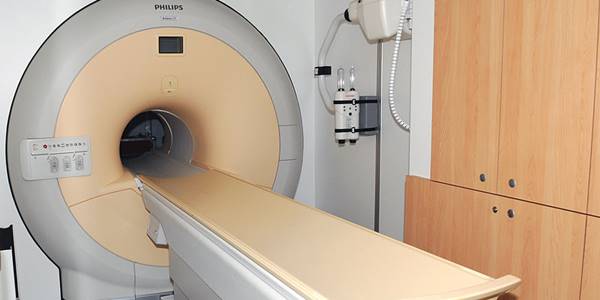
1.Diffusion-weighted magnetic resonance imaging (DWMRI)  was shown to be both sensitive and specific for identification of pelvic lymph node metastases among patients with prostate or bladder cancer. 

2. The inclusion of several additional imaging criteria in conjunction with DWMRI reduced the number of diagnostic errors and was associated with superior sensitivity relative to DWMRI alone. 

Evidence Rating Level: 2 (Good) 

Study Rundown: The presence of metastasis to local lymph nodes alters cancer staging and may influence treatment decisions. The current protocol for the evaluation of lymph node metastasis involves preoperative imaging with either computed tomography (CT) or magnetic resonance imaging (MRI), which detect lymph nodes primarily based on size. These techniques are currently limited by their insensitivity to smaller lymph nodes containing metastases, and may yield falsely positive results in hypertrophic lymph nodes. DWMRI represents a promising alternative detection method, as it is very sensitive to the subtle changes caused by invasion from cancer cells.

In the present study, the performance of DWMRI in the identification of lymph node metastasis was evaluated among patients with prostate or bladder cancer. Using histopathologic evaluation as the reference standard, DWMRI showed a high sensitivity and specificity. The study’s primary limitation was its single-institution design, and further work is necessary to replicate these findings at other medical centers.

Click to read the study in Radiology

RELATED REPORTS

Pfizer’s Talzenna combo significantly delays prostate cancer progression

2 Minute Medicine: Pharma Roundup – Pfizer’s Talzenna delays prostate cancer progression, apixaban lowers VTE bleeding risk, Lilly’s retatrutide hits Phase III metabolic targets, and FDA warns Novo Nordisk over safety reporting violations [March 2026]

New model enhances prediction of prostate cancer-specific mortality

Relevant Reading: Noninvasive detection of clinically occult lymph-node metastases in prostate cancer

In-Depth [nonrandomized clinical trial]: The study enrolled 120 consecutive patients at a single institution with bladder or prostate cancer who had been previously staged as having no metastases (N0) by conventional preoperative cross-sectional imaging (CT and/or MRI). All enrolled patients underwent DWMRI at 3.0 Tesla to evaluate for previously-unidentified pelvic lymph node metastases. Images were reviewed both pre- and postoperatively, as well as in conjunction with standard MRI for the evaluation of several prespecified imaging criteria (e.g. lymph node shape). All patients subsequently underwent tumor resection with extended pelvic lymph node dissection. Imaging results were compared to histopathologic examination of removed lymph nodes for the diagnosis of metastasis. In total, 33 patients (27.5%) had histologically-confirmed metastasis in 88 lymph nodes. Using DWMRI,  metastasis was correctly identified in 24/33 patients, yielding an overall sensitivity, specificity, and diagnostic accuracy of 72.7%, 86.2%, and 82.5%, respectively. Most false negative examinations were in very small nodes, less than 5 millimeters in diameter. Following incorporation of the additional MRI-based imaging criteria into lymph node assessment, sensitivity increased to 94.5%.

Image: PD

©2012-2014 2minutemedicine.com. All rights reserved. No works may be reproduced without expressed written consent from 2minutemedicine.com. Disclaimer: We present factual information directly from peer reviewed medical journals. No post should be construed as medical advice and is not intended as such by the authors, editors, staff or by 2minutemedicine.com. PLEASE SEE A HEALTHCARE PROVIDER IN YOUR AREA IF YOU SEEK MEDICAL ADVICE OF ANY SORT.

Tags: bladder cancermetastasismriprostate cancer
Previous Post

Addition of insulin to metformin in Type 2 Diabetes may increase risk of mortality

Next Post

Hydrolyzed formula in susceptible infants does not reduce Diabetes-linked autoantibodies

RelatedReports

Radiation plus hormone therapy may improve prostate cancer survival
Oncology

Pfizer’s Talzenna combo significantly delays prostate cancer progression

April 9, 2026
2 Minute Medicine: Pharma Roundup: Price Hikes, Breakthrough Approvals, Legal Showdowns, Biotech Expansion, and Europe’s Pricing Debate [May 12nd, 2025]
Endocrinology

2 Minute Medicine: Pharma Roundup – Pfizer’s Talzenna delays prostate cancer progression, apixaban lowers VTE bleeding risk, Lilly’s retatrutide hits Phase III metabolic targets, and FDA warns Novo Nordisk over safety reporting violations [March 2026]

March 30, 2026
Testosterone replacement in male cancer survivors helps improve body composition
Oncology

New model enhances prediction of prostate cancer-specific mortality

January 12, 2026
Population-based risk factors and geographical trends identified for vitiligo
Oncology

Increasing cancer incidence rates in younger and older adults worldwide

October 20, 2025
Next Post
Weight loss may decrease urinary incontinence in male diabetics [Look AHEAD Study]

Hydrolyzed formula in susceptible infants does not reduce Diabetes-linked autoantibodies

Levodopa for Parkinson’s disease more effective than newer generation therapies

Levodopa for Parkinson’s disease more effective than newer generation therapies

ADHD stimulant treatment associated with changes in BMI trajectory

Combination CPAP, weight loss for obstructive sleep apnea offer no added benefit

2 Minute Medicine® is an award winning, physician-run, expert medical media company. Our content is curated, written and edited by practicing health professionals who have clinical and scientific expertise in their field of reporting. Our editorial management team is comprised of highly-trained MD physicians. Join numerous brands, companies, and hospitals who trust our licensed content.

Recent Reports

  • Adjuvanted influenza vaccines and high-dose influenza vaccines may have similar effectiveness in adult patients
  • Ambient artificial intelligence scribes reduce clinician documentation time by 16 minutes per encounter
  • Resuscitative endovascular balloon occlusion of the aorta may not improve outcomes in adults with non-traumatic out-of-hospital cardiac arrest
License Content
Terms of Use | Disclaimer
Cookie Policy
Privacy Statement (EU)
Disclaimer

The Classics in Medicine Paperback Released!

Over the past 30 years, the transition from print to digital media has contributed to an exponential increase in medical literature. In response, 2 Minute Medicine presents 160+ authoritative, physician-written summaries of the most cited landmark trials in medicine.

amazon-logo_blackGet-it-on-iBooks-badge

Click anywhere to close this announcement

  • Specialties
    • All Specialties, All Recent Reports
    • Cardiology
    • Chronic Disease
    • Dermatology
    • Emergency
    • Endocrinology
    • Gastroenterology
    • Imaging and Intervention
    • Infectious Disease
    • Nephrology
    • Neurology
    • Obstetrics
    • Oncology
    • Ophthalmology
    • Pediatrics
    • Pharma
    • Preclinical
    • Psychiatry
    • Public Health
    • Pulmonology
    • Rheumatology
    • Surgery
  • Tools
    • EvidencePulse™
    • RVU Search
    • NPI Registry Lookup
  • Pharma
  • AI News
  • The Scan
  • Classics™
    • 2MM+ Online Access
    • Paperback and Ebook
  • Rewinds
  • Partners
    • License Content
    • Submit Press Release
    • Advertise with Us
  • Account
    • Subscribe
    • Sign-in
    • My account
No Result
View All Result

© 2026 2 Minute Medicine, Inc. - Physician-written medical news.