• About
  • Masthead
  • License Content
  • Advertise
  • Submit Press Release
  • RSS/Email List
  • 2MM Podcast
  • Write for us
  • Contact Us
2 Minute Medicine
No Result
View All Result

No products in the cart.

SUBSCRIBE
  • Specialties
    • All Specialties, All Recent Reports
    • Cardiology
    • Chronic Disease
    • Dermatology
    • Emergency
    • Endocrinology
    • Gastroenterology
    • Imaging and Intervention
    • Infectious Disease
    • Nephrology
    • Neurology
    • Obstetrics
    • Oncology
    • Ophthalmology
    • Pediatrics
    • Pharma
    • Preclinical
    • Psychiatry
    • Public Health
    • Pulmonology
    • Rheumatology
    • Surgery
  • AI EvidencePulse™
  • Pharma
  • AI News
  • The Scan+
  • Classics™+
    • 2MM+ Online Access
    • Paperback and Ebook
  • Rewinds
  • Podcasts
  • Partners
    • License Content
    • Submit Press Release
    • Advertise with Us
  • Account
    • Subscribe
    • Sign-in
    • My account
2 Minute Medicine
  • Specialties
    • All Specialties, All Recent Reports
    • Cardiology
    • Chronic Disease
    • Dermatology
    • Emergency
    • Endocrinology
    • Gastroenterology
    • Imaging and Intervention
    • Infectious Disease
    • Nephrology
    • Neurology
    • Obstetrics
    • Oncology
    • Ophthalmology
    • Pediatrics
    • Pharma
    • Preclinical
    • Psychiatry
    • Public Health
    • Pulmonology
    • Rheumatology
    • Surgery
  • AI EvidencePulse™
  • Pharma
  • AI News
  • The Scan+
  • Classics™+
    • 2MM+ Online Access
    • Paperback and Ebook
  • Rewinds
  • Podcasts
  • Partners
    • License Content
    • Submit Press Release
    • Advertise with Us
  • Account
    • Subscribe
    • Sign-in
    • My account
SUBSCRIBE
2 Minute Medicine
Subscribe
Home All Specialties Oncology

Increasing cancer incidence rates in younger and older adults worldwide
byAdrian WongandThomas Su
October 20, 2025
in Oncology, Public Health
Reading Time: 3 mins read
0
Share on FacebookShare on Twitter

1. In this surveillance study, the incidence rates of several cancers increased among both younger and older adults in many of the countries studied.

2. Colorectal cancer was the only cancer type studied which showed consistent increases in younger adults but did not have as clear of an effect in older adults.

Evidence Rating Level: 2 (Good)

Study Rundown: Several studies have reported rising cancer incidence rates among younger adults worldwide, but there is a lack of international data regarding trends in cancer incidence among populations of different ages. This study aimed to compare the direction and magnitude of trends in incidence of over a dozen cancers among both younger versus older adults in over forty countries. The incidence of six cancers, including thyroid cancer, breast cancer, and colorectal cancer, was found to increase among younger adults in most countries. The incidence of these cancers also generally increased in older adults, with the exception of colorectal cancer,. The rate of increase was higher in younger adults than in older adults in most countries, although confidence intervals were often wide and crossed the null. There were also increased rates of prostate, gallbladder, and pancreatic cancer among younger and older adults, although less than half of countries saw a relatively higher rate of increase among younger adults. Conversely, the incidence rates of liver, oral, esophageal, and stomach cancer decreased in younger adults in over half of the countries. In older adults, liver and oral cancer incidence rates increased in over half the countries while stomach and esophageal cancer decreased in over half the countries. The generalizability of this study is limited by data derived primarily from high-middle-income countries. Nevertheless, these results suggest that incidence rates for many cancers are increasing among younger and older adults, underlining the importance of considering both age groups when developing research studies and treatment strategies.

Click to read this study in AIM

Relevant Reading: Trends in Cancer Incidence and Mortality Rates in Early-Onset and Older-Onset Age Groups in the United States, 2010–2019

RELATED REPORTS

Punjab launches AI screening program this week

2MM: AI Roundup –Lilly launches TuneLab AI drug discovery, smart wound healing bandage, and Punjab cancer screening [September 25th, 2025]

2MM: AI Roundup –Dermatology accuracy, faster drug discovery, heart disease detection, and global medical training [September 11th,  2025]

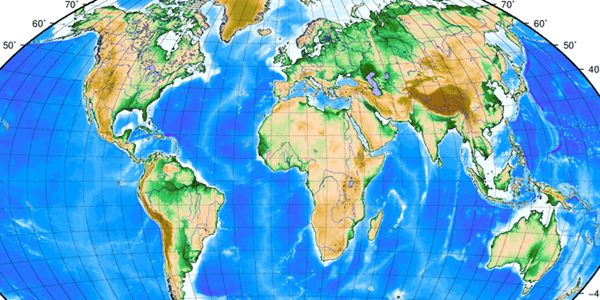
In-Depth [retrospective cohort]: This surveillance study aimed to compare trends in cancer incidence among younger and older adults worldwide. Data were obtained from the International Agency for Research on Cancer Global Cancer Observatory database (GLOBOCAN) and included all countries with cancer incidence data between 2003 and 2017. The study assessed 13 cancer types that were previously reported to be increasing in younger adults around the world: leukemia and colorectal, stomach, breast, prostate, endometrial, gallbladder, kidney, liver, esophageal, oral, pancreatic, and thyroid cancer. Cancer in younger adults was defined as diagnoses at ages 20 to 49 years and in older adults as diagnoses at age 50 years or older. A total of 42 countries, located in Asia (n = 11), Europe (n = 22), Africa (n = 1), North and South America (n = 6), and Australasia (n = 2), were included in this study. Cancer incidence rates increased in younger adults in >75% of countries for 6 cancers: thyroid (median average annual percentage change [AAPC], 3.57%), breast (median AAPC, 0.89%), colorectal (median AAPC, 1.45%), kidney (median AAPC, 2.21%), endometrial (median AAPC, 1.66%), and leukemia (median AAPC, 0.78%). Except for colorectal cancer, incidence rates of these cancers also largely increased in older adults (median AAPCs, 3% for thyroid cancer, 0.86% for breast cancer, 0.37% for colorectal cancer, 1.65% for kidney cancer, 1.20% for endometrial cancer, and 0.61% for leukemia). Over half the countries saw a numerically larger rate of increase in younger adults compared with older adults, although 95% CIs for younger adults were often wide and included zero. Incidence rates of prostate, gallbladder, and pancreatic cancer increased in younger adults in just over half the countries (median AAPCs, 3.2% for prostate cancer, 0.49% for gallbladder cancer, and 1% for pancreatic cancer). In older adults, incidence rates also increased for prostate and pancreatic cancer (median AAPCs, 0.75% for prostate cancer and 0.96% for pancreatic cancer) but decreased for gallbladder cancer (median AAPC, -0.10%). Incidence rates of liver, oral, esophageal, and stomach cancer decreased in younger adults in over half the countries (median AAPCs, -0.14% for liver cancer, -0.42% for oral cancer, -0.92% for esophageal cancer, and -1.62% for stomach cancer). Incidence rates of liver and oral cancer increased in older adults in over half the countries (median AAPCs, 2.17% and 0.49%, respectively), and incidence rates of stomach and esophageal cancer decreased in older adults in more than half the countries (median AAPCs, -2.05% and -0.25%, respectively). The incidence of prostate cancer showed a geographical disparity, increasing in young adults in 80% of European countries but only in 40% of countries in the Americas and 57% of Asian countries. Overall, results were largely similar between men and women. These results suggests that incidence rates of several cancers are increasing in many countries worldwide.

Image: PD

©2025 2 Minute Medicine, Inc. All rights reserved. No works may be reproduced without expressed written consent from 2 Minute Medicine, Inc. Inquire about licensing here. No article should be construed as medical advice and is not intended as such by the authors or by 2 Minute Medicine, Inc.

Tags: Breast Cancercancercolorectal cancer (CRC)incidenceprostate cancersurveillancethyroid cancerworldwideyoung adult cancer
Previous Post

Effect of sitagliptin vs. placebo on bone mineralization in women with type 2 diabetes: the SLowDOWN (SitagLiptin in Diabetes for Osteoporosis in WomeN) randomized clinical trial

Next Post

Work effort and time expenditure of primary care physicians

RelatedReports

Blindness and visual impairment decreasing worldwide
AI Roundup

Punjab launches AI screening program this week

September 30, 2025
2MM: AI Roundup- AI Cancer Test, Smarter Hospitals, Faster Drug Discovery, and Mental Health Tech [May 2nd, 2025]
AI Roundup

2MM: AI Roundup –Lilly launches TuneLab AI drug discovery, smart wound healing bandage, and Punjab cancer screening [September 25th, 2025]

September 28, 2025
2MM: AI Roundup- AI Cancer Test, Smarter Hospitals, Faster Drug Discovery, and Mental Health Tech [May 2nd, 2025]
AI Roundup

2MM: AI Roundup –Dermatology accuracy, faster drug discovery, heart disease detection, and global medical training [September 11th,  2025]

September 25, 2025
Institute of Medicine identifies cost variation between geographic regions
Infectious Disease

Ending Ryan White services may increase human immunodeficiency virus incidence

September 8, 2025
Next Post

Work effort and time expenditure of primary care physicians

Using HEART score to risk stratify patients with chest pain is safe but underutilized in the ED

Twice-Daily Clopidogrel vs Ticagrelor to Reduce Short-Term Major Adverse Cardiovascular Events After Primary Percutaneous Coronary Intervention: The TADCLOT Trial

The Scan by 2 Minute Medicine®:  Ultra-Trail du Mont-Blanc, Taylor Swift, NBA rookie Chet Holmgren and Magic Mushrooms!

The Scan by 2 Minute Medicine®: FDA clears Alzheimer’s blood test, WHO warns of antibiotic resistance, New York confirms chikungunya case, and CDC layoffs raise concern

2 Minute Medicine® is an award winning, physician-run, expert medical media company. Our content is curated, written and edited by practicing health professionals who have clinical and scientific expertise in their field of reporting. Our editorial management team is comprised of highly-trained MD physicians. Join numerous brands, companies, and hospitals who trust our licensed content.

Recent Reports

  • Diphenhydramine, Sodium Bicarbonate, or Combination for Acute Peripheral Vertigo
  • 2 Minute Medicine Rewind November 10th, 2025
  • Concomitant use of direct oral anticoagulants and interacting antiarrhythmic drugs and the risk of stroke and bleeding among patients with non-valvular atrial fibrillation: a multinational cohort study
License Content
Terms of Use | Disclaimer
Cookie Policy
Privacy Statement (EU)
Disclaimer

© 2025 2 Minute Medicine, Inc. - Physician-written medical news.

  • Specialties
    • All Specialties, All Recent Reports
    • Cardiology
    • Chronic Disease
    • Dermatology
    • Emergency
    • Endocrinology
    • Gastroenterology
    • Imaging and Intervention
    • Infectious Disease
    • Nephrology
    • Neurology
    • Obstetrics
    • Oncology
    • Ophthalmology
    • Pediatrics
    • Pharma
    • Preclinical
    • Psychiatry
    • Public Health
    • Pulmonology
    • Rheumatology
    • Surgery
  • AI EvidencePulse™
  • Pharma
  • AI News
  • The Scan
  • Classics™
    • 2MM+ Online Access
    • Paperback and Ebook
  • Rewinds
  • Podcasts
  • Partners
    • License Content
    • Submit Press Release
    • Advertise with Us
  • Account
    • Subscribe
    • Sign-in
    • My account
No Result
View All Result

© 2025 2 Minute Medicine, Inc. - Physician-written medical news.