

• About
  • Masthead
  • License Content
  • Advertise
  • Submit Press Release
  • RSS/Email List
  • 2MM Podcast
  • Write for us
  • Contact Us
2 Minute Medicine
No Result
View All Result

No products in the cart.

SUBSCRIBE
  • Specialties
    • All Specialties, All Recent Reports
    • Cardiology
    • Chronic Disease
    • Dermatology
    • Emergency
    • Endocrinology
    • Gastroenterology
    • Imaging and Intervention
    • Infectious Disease
    • Nephrology
    • Neurology
    • Obstetrics
    • Oncology
    • Ophthalmology
    • Pediatrics
    • Pharma
    • Preclinical
    • Psychiatry
    • Public Health
    • Pulmonology
    • Rheumatology
    • Surgery
  • Tools
    • EvidencePulse™
    • RVU Search
    • NPI Registry Lookup
  • Pharma
  • AI News
  • The Scan+
  • Classics™+
    • 2MM+ Online Access
    • Paperback and Ebook
  • Rewinds
  • Partners
    • License Content
    • Submit Press Release
    • Advertise with Us
  • Account
    • Subscribe
    • Sign-in
    • My account
2 Minute Medicine
  • Specialties
    • All Specialties, All Recent Reports
    • Cardiology
    • Chronic Disease
    • Dermatology
    • Emergency
    • Endocrinology
    • Gastroenterology
    • Imaging and Intervention
    • Infectious Disease
    • Nephrology
    • Neurology
    • Obstetrics
    • Oncology
    • Ophthalmology
    • Pediatrics
    • Pharma
    • Preclinical
    • Psychiatry
    • Public Health
    • Pulmonology
    • Rheumatology
    • Surgery
  • Tools
    • EvidencePulse™
    • RVU Search
    • NPI Registry Lookup
  • Pharma
  • AI News
  • The Scan+
  • Classics™+
    • 2MM+ Online Access
    • Paperback and Ebook
  • Rewinds
  • Partners
    • License Content
    • Submit Press Release
    • Advertise with Us
  • Account
    • Subscribe
    • Sign-in
    • My account
SUBSCRIBE
2 Minute Medicine
Subscribe
Home All Specialties Oncology

Sentinel lymph node biopsy may reduce the need for axillary dissection in cN1 breast cancer
byClare SunandDavid Painter, MD
May 20, 2026
in Oncology, Surgery
Reading Time: 3 mins read
0
Share on FacebookShare on Twitter

1. Upfront sentinel lymph node biopsy permitted the avoidance of axillary lymph node dissection in most patients with cN1 HR+/HER2- breast cancer and limited ultrasound findings.

2. Sentinel lymph node biopsy was feasible in this population, with no short-term instances of isolated axillary or locoregional recurrence.

Evidence Rating Level: 2 (Good)

Study Rundown: Axillary lymph node dissection (ALND) is first-line management for many patients with clinically node-positive breast cancer. However, emerging evidence suggested that some patients with limited nodal disease may safely avoid more extensive axillary surgery and its associated morbidity. This prospective nonrandomized clinical trial evaluated the feasibility of upfront sentinel lymph node biopsy (SLNB) in patients with cN1 HR+/HER2- breast cancer selected according to axillary ultrasound criteria. Patients with up to three morphologically abnormal nodes on ultrasound underwent SLNB, while ALND was reserved for those with three or more positive sentinel nodes. Among patients with up to three morphologically abnormal nodes, most were able to be managed with SLNB alone, avoiding completion ALND. Sentinel nodes were effectively retrieved, and isolated axillary or locoregional recurrence was not observed during follow-up. These findings suggested that patients with limited nodal disease burden may safely avoid more extensive axillary surgery and its associated morbidity. In practice, this supports consideration of SLNB-guided axillary de-escalation strategies in carefully selected patients with cN1 HR+/HER2- disease. Strengths of this study included its prospective multicenter design and standardized ultrasound-based eligibility criteria, which improved consistency in patient selection and surgical management. Limitations included its single-arm design, relatively small sample size, and short follow-up duration, which limited long-term assessment of recurrence outcomes.

Click to read the study in JAMA Surgery

Relevant Reading: Effect of Axillary Dissection vs No Axillary Dissection on 10-Year Overall Survival Among Women With Invasive Breast Cancer and Sentinel Node Metastasis

RELATED REPORTS

Statin use after but not before breast cancer diagnosis is associated with improved mortality in hormone receptor-positive early breast cancer

2 Minute Medicine Rewind June 8, 2026

Statins do not increase breast cancer risk in postmenopausal women

In-Depth [prospective cohort]: This prospective multicenter nonrandomized clinical trial enrolled 78 patients with cTx/cT1-2 cN1 HR+/HER2- breast cancer and up to three morphologically abnormal nodes identified on preoperative axillary ultrasound across four centers between April 2021 and September 2024. All patients underwent upfront surgery with SLNB using single- or dual-tracer mapping. ALND was reserved for patients with three or more positive sentinel lymph nodes, gross extracapsular extension, matted nodes, or failure to identify the biopsy-proven positive node. The primary outcome was the rate of ALND. Secondary outcomes included successful identification of palpable metastatic nodes and locoregional recurrence. Overall, 54 patients (69%) had two or fewer positive sentinel lymph nodes and therefore met criteria to avoid ALND, while 24 patients (31%) had three or more positive nodes. SLNB alone was ultimately performed in 59 patients (76%), including five patients who declined ALND despite having three or more positive nodes. Three or more sentinel lymph nodes were retrieved in 96% of cases, with a median of five nodes removed. The palpable diseased nodes were blue and/or radioactive in 66.5% of cases. Palpation alone identified 33.5% of diseased nodes, underscoring the importance of physical examination in this population. Breast-conserving surgery was performed in 68% of patients, while 32% underwent mastectomy. All patients received adjuvant radiotherapy, and 97% also received adjuvant endocrine therapy. Among patients with at least 12 months of follow-up (n = 68; median follow-up, 25 months), no isolated axillary or locoregional recurrences were observed. Two patients developed distant bone metastases. Overall, these findings demonstrated that SLNB was feasible in certain patients with cN1 HR+/HER2- breast cancer and permitted most patients with limited nodal burden to avoid ALND without early evidence of locoregional recurrence.

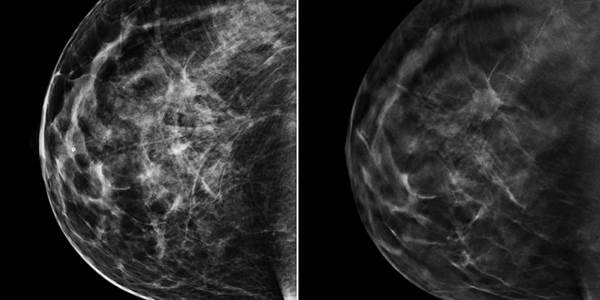
Image: PD

©2026 2 Minute Medicine, Inc. All rights reserved. No works may be reproduced without expressed written consent from 2 Minute Medicine, Inc. Inquire about licensing here. No article should be construed as medical advice and is not intended as such by the authors or by 2 Minute Medicine, Inc.

Tags: axillary dissectionBreast CancerHER2-negativeHR-positivesentinel lymph node biopsy (SLNB)
Previous Post

Metformin remains a leading candidate for pharmacologic longevity intervention

Next Post

A multimodal approach combining cognitive assessment with biomarkers may accurately predict dementia risk

RelatedReports

Variability in interpretation of breast biopsy slides associated with low verification of atypia and ductal carcinoma in situ
Chronic Disease

Statin use after but not before breast cancer diagnosis is associated with improved mortality in hormone receptor-positive early breast cancer

June 8, 2026
Weekly Rewinds

2 Minute Medicine Rewind June 8, 2026

June 8, 2026
Variability in interpretation of breast biopsy slides associated with low verification of atypia and ductal carcinoma in situ
Chronic Disease

Statins do not increase breast cancer risk in postmenopausal women

April 7, 2026
Stochastic resonance stimulation may decrease apnea of prematurity
Weekly Rewinds

2 Minute Medicine Rewind April 6, 2026

April 6, 2026
Next Post
Quick Take: Risk of rhabdomyolysis with donepezil compared with rivastigmine or galantamine

A multimodal approach combining cognitive assessment with biomarkers may accurately predict dementia risk

Exercise continues to outperform pharmacologic longevity strategies

Home nursing visits for elderly after hospitalization may reduce short term mortality

Physical frailty is associated with increased risk of epilepsy

2 Minute Medicine® is an award winning, physician-run, expert medical media company. Our content is curated, written and edited by practicing health professionals who have clinical and scientific expertise in their field of reporting. Our editorial management team is comprised of highly-trained MD physicians. Join numerous brands, companies, and hospitals who trust our licensed content.

Recent Reports

  • Children conceived through infertility treatments may have similar growth compared to naturally conceived children
  • Ring-augmented one-anastomosis gastric bypass may not improve weight loss compared to conventional one-anastomosis gastric bypass
  • High-fidelity implementation of enhanced recovery protocols improves outcomes in pediatric gastrointestinal surgery
License Content
Terms of Use | Disclaimer
Cookie Policy
Privacy Statement (EU)
Disclaimer
  • Specialties
    • All Specialties, All Recent Reports
    • Cardiology
    • Chronic Disease
    • Dermatology
    • Emergency
    • Endocrinology
    • Gastroenterology
    • Imaging and Intervention
    • Infectious Disease
    • Nephrology
    • Neurology
    • Obstetrics
    • Oncology
    • Ophthalmology
    • Pediatrics
    • Pharma
    • Preclinical
    • Psychiatry
    • Public Health
    • Pulmonology
    • Rheumatology
    • Surgery
  • Tools
    • EvidencePulse™
    • RVU Search
    • NPI Registry Lookup
  • Pharma
  • AI News
  • The Scan
  • Classics™
    • 2MM+ Online Access
    • Paperback and Ebook
  • Rewinds
  • Partners
    • License Content
    • Submit Press Release
    • Advertise with Us
  • Account
    • Subscribe
    • Sign-in
    • My account
No Result
View All Result

© 2026 2 Minute Medicine, Inc. - Physician-written medical news.