• About
  • Masthead
  • License Content
  • Advertise
  • Submit Press Release
  • RSS/Email List
  • 2MM Podcast
  • Write for us
  • Contact Us
2 Minute Medicine
No Result
View All Result

No products in the cart.

SUBSCRIBE
  • Specialties
    • All Specialties, All Recent Reports
    • Cardiology
    • Chronic Disease
    • Dermatology
    • Emergency
    • Endocrinology
    • Gastroenterology
    • Imaging and Intervention
    • Infectious Disease
    • Nephrology
    • Neurology
    • Obstetrics
    • Oncology
    • Ophthalmology
    • Pediatrics
    • Pharma
    • Preclinical
    • Psychiatry
    • Public Health
    • Pulmonology
    • Rheumatology
    • Surgery
  • Tools
    • EvidencePulse™
    • RVU Search
    • NPI Registry Lookup
  • Pharma
  • AI News
  • The Scan+
  • Classics™+
    • 2MM+ Online Access
    • Paperback and Ebook
  • Rewinds
  • Partners
    • License Content
    • Submit Press Release
    • Advertise with Us
  • Account
    • Subscribe
    • Sign-in
    • My account
2 Minute Medicine
  • Specialties
    • All Specialties, All Recent Reports
    • Cardiology
    • Chronic Disease
    • Dermatology
    • Emergency
    • Endocrinology
    • Gastroenterology
    • Imaging and Intervention
    • Infectious Disease
    • Nephrology
    • Neurology
    • Obstetrics
    • Oncology
    • Ophthalmology
    • Pediatrics
    • Pharma
    • Preclinical
    • Psychiatry
    • Public Health
    • Pulmonology
    • Rheumatology
    • Surgery
  • Tools
    • EvidencePulse™
    • RVU Search
    • NPI Registry Lookup
  • Pharma
  • AI News
  • The Scan+
  • Classics™+
    • 2MM+ Online Access
    • Paperback and Ebook
  • Rewinds
  • Partners
    • License Content
    • Submit Press Release
    • Advertise with Us
  • Account
    • Subscribe
    • Sign-in
    • My account
SUBSCRIBE
2 Minute Medicine
Subscribe
Home All Specialties Chronic Disease

Exercise continues to outperform pharmacologic longevity strategies
byDeepti Shroff
May 20, 2026
in Chronic Disease
Reading Time: 2 mins read
0
Share on FacebookShare on Twitter

Exercise continues to outperform pharmacologic longevity strategies

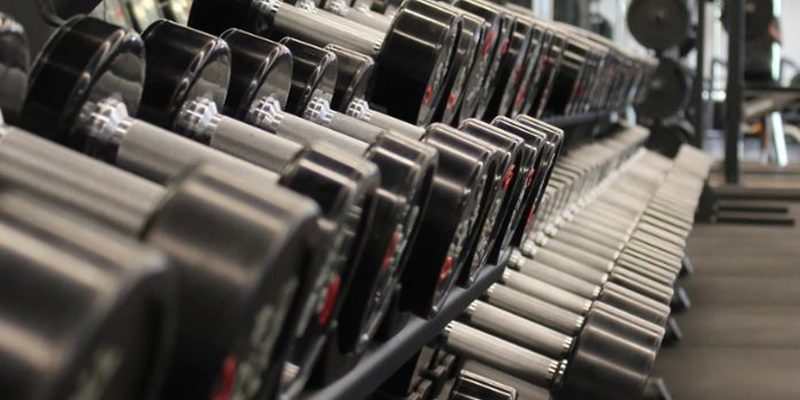
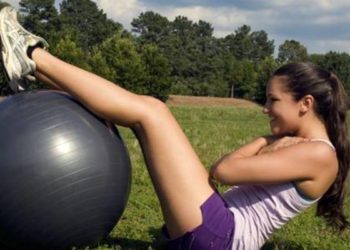
Exercise remains the most consistently validated intervention for improving both lifespan and healthspan, and the strength of that evidence continues to grow. Large population studies have shown that individuals who meet recommended activity levels have a 20% to 30% lower risk of all cause mortality compared to those who are inactive. The Physical Activity Guidelines for Americans recommend at least 150 minutes of moderate intensity activity per week along with muscle strengthening exercises, a threshold that has repeatedly been associated with meaningful clinical benefit. Beyond basic activity, cardiorespiratory fitness appears to be one of the strongest predictors of survival. A JAMA Network Open cohort study found that higher levels of physical activity were associated with significantly lower mortality across age groups, even after adjusting for comorbid conditions. Importantly, benefits were observed across a wide range of activity levels, suggesting that even incremental increases in movement can have measurable effects. Exercise also directly impacts key physiologic systems, including insulin sensitivity, endothelial function, and inflammatory pathways. Resistance training is gaining particular attention due to its role in preserving lean muscle mass and preventing sarcopenia, which itself is strongly associated with frailty and mortality. Additional findings from JAMA Network Open demonstrate that multiple forms of leisure time activity, including walking, cycling, and strength training, are linked to improved survival outcomes. The National Institute on Aging resource on exercise emphasizes combining aerobic, resistance, balance, and flexibility training to maximize functional longevity. Unlike pharmacologic interventions, exercise produces multisystem benefits without introducing medication related adverse effects. It also improves quality of life, cognitive function, and physical independence. Despite this, adherence remains the primary barrier, with a large proportion of adults failing to meet minimum activity guidelines. Clinicians are often left balancing strong evidence with limited patient uptake. In the broader context of longevity medicine, exercise continues to set the benchmark that emerging therapies must match. It is not just effective, it is foundational.

Image: PD

©2026 2 Minute Medicine, Inc. All rights reserved. No works may be reproduced without expressed written consent from 2 Minute Medicine, Inc. Inquire about licensing here. No article should be construed as medical advice and is not intended as such by the authors or by 2 Minute Medicine, Inc.
RELATED REPORTS

Metformin remains a leading candidate for pharmacologic longevity intervention

Adverse pregnancy outcomes is associated with worse offspring cardiovascular health in early adulthood

GLP-1 receptor agonists move from weight loss into the longevity conversation

Tags: aging preventioncardiovascular healthexercisefitnessfunctional independencehealthspanlifestyle medicinelongevitymetabolic healthmortality reductionphysical activitypreventive healthresistance trainingsarcopeniaVO2 max
Previous Post

A multimodal approach combining cognitive assessment with biomarkers may accurately predict dementia risk

RelatedReports

Metformin treats Fragile X syndrome symptoms in mice [PreClinical]
Chronic Disease

Metformin remains a leading candidate for pharmacologic longevity intervention

May 19, 2026
Prenatal antidepressant exposure may increase risk of poor motor development
Cardiology

Adverse pregnancy outcomes is associated with worse offspring cardiovascular health in early adulthood

May 18, 2026
Weight loss surgery may reduce risk of developing type 2 diabetes
Chronic Disease

GLP-1 receptor agonists move from weight loss into the longevity conversation

May 18, 2026
Lateral foot wedges not effective in medial knee osteoarthritis pain control
The Scan by 2 Minute Medicine®

Jennifer Aniston’s “Strength for 50+” ritual spotlights red light therapy

April 24, 2026

2 Minute Medicine® is an award winning, physician-run, expert medical media company. Our content is curated, written and edited by practicing health professionals who have clinical and scientific expertise in their field of reporting. Our editorial management team is comprised of highly-trained MD physicians. Join numerous brands, companies, and hospitals who trust our licensed content.

Recent Reports

  • Exercise continues to outperform pharmacologic longevity strategies
  • A multimodal approach combining cognitive assessment with biomarkers may accurately predict dementia risk
  • Sentinel lymph node biopsy may reduce the need for axillary dissection in cN1 breast cancer
License Content
Terms of Use | Disclaimer
Cookie Policy
Privacy Statement (EU)
Disclaimer

The Classics in Medicine Paperback Released!

Over the past 30 years, the transition from print to digital media has contributed to an exponential increase in medical literature. In response, 2 Minute Medicine presents 160+ authoritative, physician-written summaries of the most cited landmark trials in medicine.

amazon-logo_blackGet-it-on-iBooks-badge

Click anywhere to close this announcement

  • Specialties
    • All Specialties, All Recent Reports
    • Cardiology
    • Chronic Disease
    • Dermatology
    • Emergency
    • Endocrinology
    • Gastroenterology
    • Imaging and Intervention
    • Infectious Disease
    • Nephrology
    • Neurology
    • Obstetrics
    • Oncology
    • Ophthalmology
    • Pediatrics
    • Pharma
    • Preclinical
    • Psychiatry
    • Public Health
    • Pulmonology
    • Rheumatology
    • Surgery
  • Tools
    • EvidencePulse™
    • RVU Search
    • NPI Registry Lookup
  • Pharma
  • AI News
  • The Scan
  • Classics™
    • 2MM+ Online Access
    • Paperback and Ebook
  • Rewinds
  • Partners
    • License Content
    • Submit Press Release
    • Advertise with Us
  • Account
    • Subscribe
    • Sign-in
    • My account
No Result
View All Result

© 2026 2 Minute Medicine, Inc. - Physician-written medical news.