• About
  • Masthead
  • License Content
  • Advertise
  • Submit Press Release
  • RSS/Email List
  • 2MM Podcast
  • Write for us
  • Contact Us
2 Minute Medicine
No Result
View All Result

No products in the cart.

SUBSCRIBE
  • About
  • Specialties
    • All Specialties, All Recent Reports
    • Cardiology
    • Chronic Disease
    • Dermatology
    • Emergency
    • Endocrinology
    • Gastroenterology
    • Imaging and Intervention
    • Infectious Disease
    • Nephrology
    • Neurology
    • Obstetrics
    • Oncology
    • Ophthalmology
    • Pediatrics
    • Pharma
    • Preclinical
    • Psychiatry
    • Public Health
    • Pulmonology
    • Rheumatology
    • Surgery
  • Tools+
    • EvidencePulse™
    • HypeCheck™
    • NPI Registry Lookup
    • RVU Search
  • Pharma
  • AI Roundup
  • The Scan+
  • Classics™+
    • 2MM+ Online Access
    • Paperback and Ebook
  • Rewinds
  • Partners
    • License Content
    • Submit Press Release
    • Advertise with Us
  • Account
    • Subscribe
    • My account
    • Cart
    • Sign-in
2 Minute Medicine
  • About
  • Specialties
    • All Specialties, All Recent Reports
    • Cardiology
    • Chronic Disease
    • Dermatology
    • Emergency
    • Endocrinology
    • Gastroenterology
    • Imaging and Intervention
    • Infectious Disease
    • Nephrology
    • Neurology
    • Obstetrics
    • Oncology
    • Ophthalmology
    • Pediatrics
    • Pharma
    • Preclinical
    • Psychiatry
    • Public Health
    • Pulmonology
    • Rheumatology
    • Surgery
  • Tools+
    • EvidencePulse™
    • HypeCheck™
    • NPI Registry Lookup
    • RVU Search
  • Pharma
  • AI Roundup
  • The Scan+
  • Classics™+
    • 2MM+ Online Access
    • Paperback and Ebook
  • Rewinds
  • Partners
    • License Content
    • Submit Press Release
    • Advertise with Us
  • Account
    • Subscribe
    • My account
    • Cart
    • Sign-in
SUBSCRIBE
2 Minute Medicine
Subscribe
EvidencePulse™ by 2 Minute Medicine 2026 evidence scan 3 reports You asked top stroke trials 2026 Synthesizing medical evidence... Top 2026 stroke trial results: OCEANIC — ischemic stroke: 6.2% vs 8.4% OPTION* — mRS 0–1: 43.6% vs 34.2% ORIENTAL* — mRS 0–2: 58.6% vs 46.6% *Higher sICH in intervention arms Participants randomizedN OCEANIC 12,327 OPTION 570 ORIENTAL 564 Ask about guidelines or landmark trials... ↑ Try EvidencePulse™ Ask the evidence.
Get the signal.
Try it now → Physician-trained medical AI by 2 Minute Medicine
Home All Specialties Pharma

Direct oral anticoagulants have similar bleeding risk compared with aspirin
byAdrian WongandThomas Su
February 10, 2025
in Pharma
Reading Time: 2 mins read
No significant increased risk of bladder cancer with pioglitazone use
Share on FacebookShare on Twitter

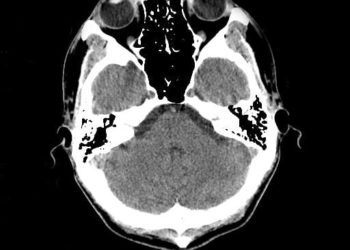
1. In this systematic review and meta-analysis, the non-vitamin K oral anticoagulants apixaban and dabigatran both had similar rates of major bleeding and intracranial hemorrhage compared with aspirin monotherapy.

2. Rivaroxaban was found to have numerically greater rates of major bleeding and intracranial hemorrhage compared with aspirin, though this difference was not statistically significant.

Evidence Rating Level: 1 (Excellent)

Study Rundown: Although non-vitamin K oral anticoagulants (NOACs) have been shown to be effective for stroke prophylaxis in patients with atrial fibrillation (AF) and treatment of venous thromboembolism, their risk of bleeding compared with antiplatelet monotherapy remains unclear. This study aimed to synthesize the literature comparing bleeding risk, particularly major bleeding and intracranial hemorrhage, between NOACs and aspirin. It was found that apixaban and dabigatran were associated with similar rates of major bleeding compared with aspirin. Rivaroxaban was noted to be associated with a higher absolute risk of major bleeding, but this difference was not statistically significant. Apixaban and dabigatran were also found to have similar rates of intracranial hemorrhage compared with aspirin, while rivaroxaban again had a higher rate of intracranial hemorrhage that was not statistically significant. The generalizability of this study was limited by the imprecision of the results, as well as a lack of comparisons between other NOACs and other antiplatelet medications. Nevertheless, this study showed that NOACs generally had similar rates of bleeding events compared with aspirin monotherapy, which may inform treatment decisions for patients in need of anticoagulation.

Click to read this study in AIM

Relevant Reading: Bleeding risk comparison between direct oral anticoagulants at doses approved for atrial fibrillation and aspirin: systematic review, meta-analysis and meta-regression

RELATED REPORTS

Apixaban (Eliquis) is associated with reduced rates of ischemic stroke and bleeding in patients with atrial fibrillation and advanced chronic kidney disease compared with warfarin (Coumadin)

Antithrombotic agents may be effective in preventing migraine in patients with patent foramen ovale

Activated factor VIII-mimetic prophylaxis associated with reduced bleeding in hemophilia A

In-Depth [systematic review and meta-analysis]: This systematic review and meta-analysis investigated risk of bleeding between NOACs and antiplatelet monotherapy. Databases were searched for randomized controlled trials (RCTs) comparing therapeutic-dose NOACs with antiplatelet monotherapy for at least 3 months. A total of 9 RCTs were included, yielding a participant population of 26,224. Of these trials, 6 were judged to be at low risk of bias and 3 were at high risk of bias. Apixaban, dabigatran, and rivaroxaban were the NOACs that were studied, while the only antiplatelet used was aspirin. A total of 566 patients (2.16%) had major bleeding. Compared to aspirin, apixaban (risk difference [RD], 0.0 percentage points [95% CI, -1.3 to 2.6]) and dabigatran (RD, 0.5 percentage points [95% CI, -2.1 to 19.6]) had similar major bleeding rates, while rivaroxaban had higher rates (RD, 0.9 percentage points [95% CI, -0.1 to 3.7]). Similarly, the rates of intracranial hemorrhage were slightly lower compared to aspirin for apixaban (RD, -0.2 percentage points [CI, -0.6 to 1.4]) and dabigatran (RD, 0.0 percentage point [CI, -1.1 to 24.5 percentage points]), and slightly higher for rivaroxaban (RD, 0.3 percentage point [CI, -0.1 to 79.7 percentage points]). Overall, this study indicated that apixaban and dabigatran have similar bleeding risk compared with aspirin monotherapy, while rivaroxaban may confer a greater risk.

Image: PD

©2025 2 Minute Medicine, Inc. All rights reserved. No works may be reproduced without expressed written consent from 2 Minute Medicine, Inc. Inquire about licensing here. No article should be construed as medical advice and is not intended as such by the authors or by 2 Minute Medicine, Inc.

Tags: antiplatelet therapyapixabanaspirinbleeding riskdabigatrandirect oral anticoagulant (DOAC)intracranial hemorrhagemajor bleedingrivaroxaban
Previous Post

Efficacy of Zenocutuzumab in NRG1 Fusion–Positive Cancer

Next Post

Increased blood–urea–nitrogen-to-albumin ratio associated with increased mortality in coronavirus disease

RelatedReports

Nephrology

Apixaban (Eliquis) is associated with reduced rates of ischemic stroke and bleeding in patients with atrial fibrillation and advanced chronic kidney disease compared with warfarin (Coumadin)

September 9, 2026
Prochlorperazine for migraine may lower likelihood of ED return
Chronic Disease

Antithrombotic agents may be effective in preventing migraine in patients with patent foramen ovale

August 7, 2026
Combined immunotherapy may improve survival in metastatic pancreatic cancer
Hematology

Activated factor VIII-mimetic prophylaxis associated with reduced bleeding in hemophilia A

May 11, 2026
Abusive head trauma results in fewer productive life-years
Cardiology

Asundexian may reduce recurrent ischemic stroke without increased bleeding risk

April 20, 2026
Next Post
Novel coronavirus identified from patients with pneumonia in Wuhan, China

Increased blood–urea–nitrogen-to-albumin ratio associated with increased mortality in coronavirus disease

#VisualAbstract: Liraglutide for 56 Weeks plus lifestyle interventions reduced BMI and Body Weight in Children with Obesity

#VisualAbstract: Liraglutide for 56 Weeks plus lifestyle interventions reduced BMI and Body Weight in Children with Obesity

Increasing survival rates for patients with acute liver failure

Characterization of the increased incidence of alcohol-associated hepatitis noted in Ontario, Canada in past two decades

EvidencePulse™ by 2 Minute Medicine 2026 evidence scan 3 reports You asked top stroke trials 2026 Synthesizing medical evidence... Top 2026 stroke trial results: OCEANIC — ischemic stroke: 6.2% vs 8.4% OPTION* — mRS 0–1: 43.6% vs 34.2% ORIENTAL* — mRS 0–2: 58.6% vs 46.6% *Higher sICH in intervention arms Participants randomizedN OCEANIC 12,327 OPTION 570 ORIENTAL 564 Ask about guidelines or landmark trials... ↑ Try EvidencePulse™ Ask the evidence.
Get the signal.
Try it now → Physician-trained medical AI by 2 Minute Medicine

2MM+ All Access

Full details →
$4.99 /month

5-day free trial · cancel anytime

  • ✓100+ physician-written reports
  • ✓EvidencePulse™ + HypeCheck™
  • ✓Ad-free reading + newsletters
Start 5-day free trial

Then $4.99/month. Manage renewal in your account.

2 Minute Medicine® is an award winning, physician-run, expert medical media company. Our content is curated, written and edited by practicing health professionals who have clinical and scientific expertise in their field of reporting. Our editorial management team is comprised of highly-trained MD physicians. Join numerous brands, companies, and hospitals who trust our licensed content.

Recent Reports

  • Chronic exposure to particulate matter is associated with increased cardiovascular risk
  • Deep-learning model achieved high diagnostic performance for diabetic macular edema detection using optical coherence tomography (OCT) scans
  • FDA-cleared AI devices rarely have patient outcome data
License Content
Terms of Use | Disclaimer
Cookie Policy
Cleantalk Pixel
2MM+ All Access Full details →

The medical literature, distilled daily.

Monthly plan selected: $4.99 /month.

$4.99/month

5-day free trial · cancel anytime

Start 5-day free trial

Then $4.99/month. Manage renewal in your account.

Yearly plan selected: $49.90 /year.

$49.90/year

2 months free · only $4.16/month

Start 5-day free trial

Then $49.90/year. Manage renewal in your account.

Membership benefits

  • ✓100+ physician-written reports
  • ✓AI EvidencePulse™ + HypeCheck™
  • ✓Ad-free reading + newsletters

Already a member? Sign in

  • About
  • Specialties
    • All Specialties, All Recent Reports
    • Cardiology
    • Chronic Disease
    • Dermatology
    • Emergency
    • Endocrinology
    • Gastroenterology
    • Imaging and Intervention
    • Infectious Disease
    • Nephrology
    • Neurology
    • Obstetrics
    • Oncology
    • Ophthalmology
    • Pediatrics
    • Pharma
    • Preclinical
    • Psychiatry
    • Public Health
    • Pulmonology
    • Rheumatology
    • Surgery
  • Tools
    • EvidencePulse™
    • HypeCheck™
    • NPI Registry Lookup
    • RVU Search
  • Pharma
  • AI Roundup
  • The Scan
  • Classics™
    • 2MM+ Online Access
    • Paperback and Ebook
  • Rewinds
  • Partners
    • License Content
    • Submit Press Release
    • Advertise with Us
  • Account
    • Subscribe
    • My account
    • Cart
    • Sign-in
No Result
View All Result

© 2026 2 Minute Medicine, Inc. - Physician-written medical news.