• About
  • Masthead
  • License Content
  • Advertise
  • Submit Press Release
  • RSS/Email List
  • 2MM Podcast
  • Write for us
  • Contact Us
2 Minute Medicine
No Result
View All Result

No products in the cart.

SUBSCRIBE
  • About
  • Specialties
    • All Specialties, All Recent Reports
    • Cardiology
    • Chronic Disease
    • Dermatology
    • Emergency
    • Endocrinology
    • Gastroenterology
    • Imaging and Intervention
    • Infectious Disease
    • Nephrology
    • Neurology
    • Obstetrics
    • Oncology
    • Ophthalmology
    • Pediatrics
    • Pharma
    • Preclinical
    • Psychiatry
    • Public Health
    • Pulmonology
    • Rheumatology
    • Surgery
  • Tools+
    • EvidencePulse™
    • HypeCheck™
    • NPI Registry Lookup
    • RVU Search
  • Pharma
  • AI Roundup
  • The Scan+
  • Classics™+
    • 2MM+ Online Access
    • Paperback and Ebook
  • Rewinds
  • Partners
    • License Content
    • Submit Press Release
    • Advertise with Us
  • Account
    • Subscribe
    • My account
    • Cart
    • Sign-in
2 Minute Medicine
  • About
  • Specialties
    • All Specialties, All Recent Reports
    • Cardiology
    • Chronic Disease
    • Dermatology
    • Emergency
    • Endocrinology
    • Gastroenterology
    • Imaging and Intervention
    • Infectious Disease
    • Nephrology
    • Neurology
    • Obstetrics
    • Oncology
    • Ophthalmology
    • Pediatrics
    • Pharma
    • Preclinical
    • Psychiatry
    • Public Health
    • Pulmonology
    • Rheumatology
    • Surgery
  • Tools+
    • EvidencePulse™
    • HypeCheck™
    • NPI Registry Lookup
    • RVU Search
  • Pharma
  • AI Roundup
  • The Scan+
  • Classics™+
    • 2MM+ Online Access
    • Paperback and Ebook
  • Rewinds
  • Partners
    • License Content
    • Submit Press Release
    • Advertise with Us
  • Account
    • Subscribe
    • My account
    • Cart
    • Sign-in
SUBSCRIBE
2 Minute Medicine
Subscribe
EvidencePulse™ by 2 Minute Medicine 2026 evidence scan 3 reports You asked top stroke trials 2026 Synthesizing medical evidence... Top 2026 stroke trial results: OCEANIC — ischemic stroke: 6.2% vs 8.4% OPTION* — mRS 0–1: 43.6% vs 34.2% ORIENTAL* — mRS 0–2: 58.6% vs 46.6% *Higher sICH in intervention arms Participants randomizedN OCEANIC 12,327 OPTION 570 ORIENTAL 564 Ask about guidelines or landmark trials... ↑ Try EvidencePulse™ Ask the evidence.
Get the signal.
Try it now → Physician-trained medical AI by 2 Minute Medicine
Home All Specialties Cardiology

Empagliflozin does not decrease risk of hospitalization or death after myocardial infarction
byThomas SuandKiera Liblik
June 6, 2024
in Cardiology, Chronic Disease, Emergency
Reading Time: 3 mins read
Radiation dose associated with increased heart disease in Hodgkin lymphoma survivors
Share on FacebookShare on Twitter

1. In this randomized controlled trial, empagliflozin was not shown to decrease the risk of hospitalization for heart failure or death among patients after acute myocardial infarction (MI).

2. Safety outcomes were generally similar between the empagliflozin and placebo groups.

Evidence Rating Level: 1 (Excellent)

Study Rundown: It is well-established that sodium-glucose cotransporter 2 (SGLT2) inhibitors such as empagliflozin improve cardiovascular outcomes in those with high-risk chronic diseases such as type 2 diabetes, kidney failure, or congestive heart failure. It has also been demonstrated that treatment with empagliflozin is associated with improved cardiac biomarkers such as natriuretic peptide concentration, left ventricular ejection fraction, and cardiac volume among patients who had an MI. However, no studies have directly assessed the clinical outcomes of SGLT2 inhibitor therapy after myocardial infarction. This study, EMPACT-MI, aimed to evaluate whether post-MI patients with a new reduction in left ventricular ejection fraction or symptoms of congestion would benefit from early treatment with empagliflozin. It was found that those who received empagliflozin had a similar risk of a composite primary endpoint (a first hospitalization for heart failure or death from any cause) compared to those who received a placebo. The two groups also had virtually identical safety outcomes; nearly one-quarter of both groups experienced a serious adverse event, and the same percentage had to discontinue the trial regimen. This study was limited by the lack of analysis of outpatient heart failure events, which may have made a meaningful contribution to the total disease burden. In addition, there was a lack of patient diversity, which may have limited the generalizability of the study findings. Overall, this study demonstrated that empagliflozin did not reduce the risk of first hospitalization for heart failure or death compared to placebo.

Click here to read the study in NEJM

In-Depth [randomized controlled trial]: This international, event-driven, double-blind trial involved adults who developed new signs of heart failure (left ventricular ejection fraction less than 45% or symptoms of congestion) after being hospitalized for an acute myocardial infarction. Participants were also required to have at least one additional enrichment factor, such as advanced age, type 2 diabetes mellitus, coronary artery disease, and chronic kidney disease. Eligible patients were randomly assigned in a 1:1 ratio to receive either 10mg of empagliflozin daily or a placebo in addition to standard care. The primary endpoint was a composite of hospitalization for heart failure or all-cause mortality. A total of 6,522 patients underwent randomization; 78.4% met the ejection fraction criterion, and 57.0% met the criteria for congestion. The median duration of follow-up was 17.9 months. A primary endpoint event occurred in 67 of 3260 patients (8.2%) in the empagliflozin group and 298 of 3262 patients (9.1%) in the placebo group (hazard ratio [HR], 0.90; 95% confidence interval [CI], 0.76 to 1.06; p=0.21). However, the group that received empagliflozin did appear to have a lower risk of having a first hospitalization for heart failure (HR, 0.77; 95% CI, 0.60 to 0.98) as well as fewer hospitalizations for heart failure overall (HR, 0.67; 95% CI 0.51 to 0.89). The two groups had similar serious adverse events (23.7% in the treatment group versus 24.7% in the placebo group) and adverse events leading to discontinuation of the trial regimen (3.8% in both groups). In summary, these results show that empagliflozin was comparable to placebo for reducing hospitalizations for heart failure and mortality in patients with acute myocardial infarction.

RELATED REPORTS

Emergency department triaging decisions supported by artificial intelligence (AI) led to improved triaging accuracy and patient flow

A lower threshold for referral to the emergency department for outpatient hyperkalemia may reduce mortality

Chronic exposure to particulate matter is associated with increased cardiovascular risk

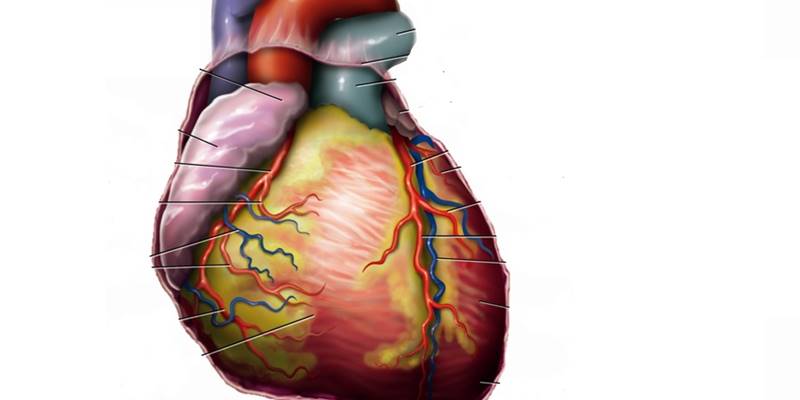
Image: PD

©2024 2 Minute Medicine, Inc. All rights reserved. No works may be reproduced without expressed written consent from 2 Minute Medicine, Inc. Inquire about licensing here. No article should be construed as medical advice and is not intended as such by the authors or by 2 Minute Medicine, Inc.


Tags: cardiologychronic diseaseemergencyempagliflozinmyocardial infarctionsodium-glucose cotransporter 2 (SGLT2) inhibitors
Previous Post

Resistance training not superior to neuromuscular exercises for hip osteoarthritis

Next Post

Decompressive craniectomy may benefit patients with supratentorial intracerebral hemorrhage

RelatedReports

Artificial Intelligence

Emergency department triaging decisions supported by artificial intelligence (AI) led to improved triaging accuracy and patient flow

September 21, 2026
Emergency

A lower threshold for referral to the emergency department for outpatient hyperkalemia may reduce mortality

September 16, 2026
Cardiology

Chronic exposure to particulate matter is associated with increased cardiovascular risk

September 10, 2026
Rivaroxaban likely reduces risk of recurrent stroke in specific subgroup of patients with embolic stroke of undetermined source
Cardiology

The mortality in-hospital for patients undergoing elective catheter ablation for atrial fibrillation is low

September 4, 2026
Next Post
No obesity paradox found between BMI, stroke, and death

Decompressive craniectomy may benefit patients with supratentorial intracerebral hemorrhage

Influenza vaccine not associated with increased risk of epilepsy in children

Corticosteroid injections not found to be associated with fracture risk in elderly cohort

Shorter time to angioplasty may improve heart attack outcomes

No benefit to fractional flow reserved-guided revascularization in myocardial infarction

EvidencePulse™ by 2 Minute Medicine 2026 evidence scan 3 reports You asked top stroke trials 2026 Synthesizing medical evidence... Top 2026 stroke trial results: OCEANIC — ischemic stroke: 6.2% vs 8.4% OPTION* — mRS 0–1: 43.6% vs 34.2% ORIENTAL* — mRS 0–2: 58.6% vs 46.6% *Higher sICH in intervention arms Participants randomizedN OCEANIC 12,327 OPTION 570 ORIENTAL 564 Ask about guidelines or landmark trials... ↑ Try EvidencePulse™ Get the signal. Try it now → Physician-trained medical AI by 2 Minute Medicine

2MM+ All Access

Full details →
$4.99 /month

3-day free trial · cancel anytime

  • ✓100+ physician-written reports
  • ✓EvidencePulse™ + HypeCheck™
  • ✓Ad-free reading + newsletters
Start 3-day free trial

Then $4.99/month. Manage renewal in your account.

2 Minute Medicine® is an award winning, physician-run, expert medical media company. Our content is curated, written and edited by practicing health professionals who have clinical and scientific expertise in their field of reporting. Our editorial management team is comprised of highly-trained MD physicians. Join numerous brands, companies, and hospitals who trust our licensed content.

Recent Reports

  • Prognostic associations of anthropometric indices vary by clinical outcomes
  • Anitocabtagene autoleucel associated with sustained clinical response in heavily pretreated multiple myeloma
  • Gene therapy shows sustained benefit in Wiskott–Aldrich syndrome
License Content
Terms of Use | Disclaimer
Cookie Policy
2MM+ All Access Full details →

The medical literature, distilled daily.

Monthly plan selected: $4.99 /month.

$4.99/month

3-day free trial · cancel anytime

Start 3-day free trial

Then $4.99/month. Manage renewal in your account.

Yearly plan selected: $49.90 /year.

$49.90/year

2 months free

Start 3-day free trial

Then $49.90/year.

Membership benefits

  • ✓100+ physician-written reports
  • ✓AI EvidencePulse™ + HypeCheck™
  • ✓Ad-free reading + newsletters

Already a member? Sign in

  • About
  • Specialties
    • All Specialties, All Recent Reports
    • Cardiology
    • Chronic Disease
    • Dermatology
    • Emergency
    • Endocrinology
    • Gastroenterology
    • Imaging and Intervention
    • Infectious Disease
    • Nephrology
    • Neurology
    • Obstetrics
    • Oncology
    • Ophthalmology
    • Pediatrics
    • Pharma
    • Preclinical
    • Psychiatry
    • Public Health
    • Pulmonology
    • Rheumatology
    • Surgery
  • Tools
    • EvidencePulse™
    • HypeCheck™
    • NPI Registry Lookup
    • RVU Search
  • Pharma
  • AI Roundup
  • The Scan
  • Classics™
    • 2MM+ Online Access
    • Paperback and Ebook
  • Rewinds
  • Partners
    • License Content
    • Submit Press Release
    • Advertise with Us
  • Account
    • Subscribe
    • My account
    • Cart
    • Sign-in
No Result
View All Result

© 2026 2 Minute Medicine, Inc. - Physician-written medical news.